Why Digital PR is Critical for AI Visibility in 2026?

This year, I've watched AI search completely rewrite the PR playbook. Most AI companies are invisible in ChatGPT, Perplexity, and Google AI Overviews because they're still playing by 2019 SEO rules, missing out on a market that's exploded to $43.6 billion in 2024.
Here's the thing: Muck Rack's 2025 study found that 85% of AI citations come from earned media (not paid placements). That means the brands getting recommended by AI are the ones showing up in the right publications.
In this guide, I'll walk you through exactly how digital PR for AI works, why brand mentions now matter more than backlinks, and the specific tactics we use to get clients cited in AI-generated answers. If you've been wondering why your competitors keep showing up in ChatGPT while you don't, you're in the right place!
Google's Secret Recipe that Got Leaked and Changed Everything About Digital PR
May 2024. Google accidentally published their internal Content Warehouse API documentation to a public code repository. Oops.
What we found buried in those 14,000+ ranking features? Proof that everything Google's spokespeople have been telling us about links and authority was... let's be generous and call it "strategically misleading."
The Bombshell: Link Tier Quality Is Real (and Quantified)
Remember when Google said all links are created equal? Yeah, about that. The leaked docs reveal a sourceType attribute that explicitly ranks link quality based on the index tier of the source page:
- TYPE_HIGH_QUALITY: Links from Google's top-tier index (flash storage, constantly updated, premium real estate)
- TYPE_MEDIUM_QUALITY: Links from mid-tier supplemental documents (solid state drives)
- TYPE_LOW_QUALITY: Links from the basement (hard drives, rarely accessed)
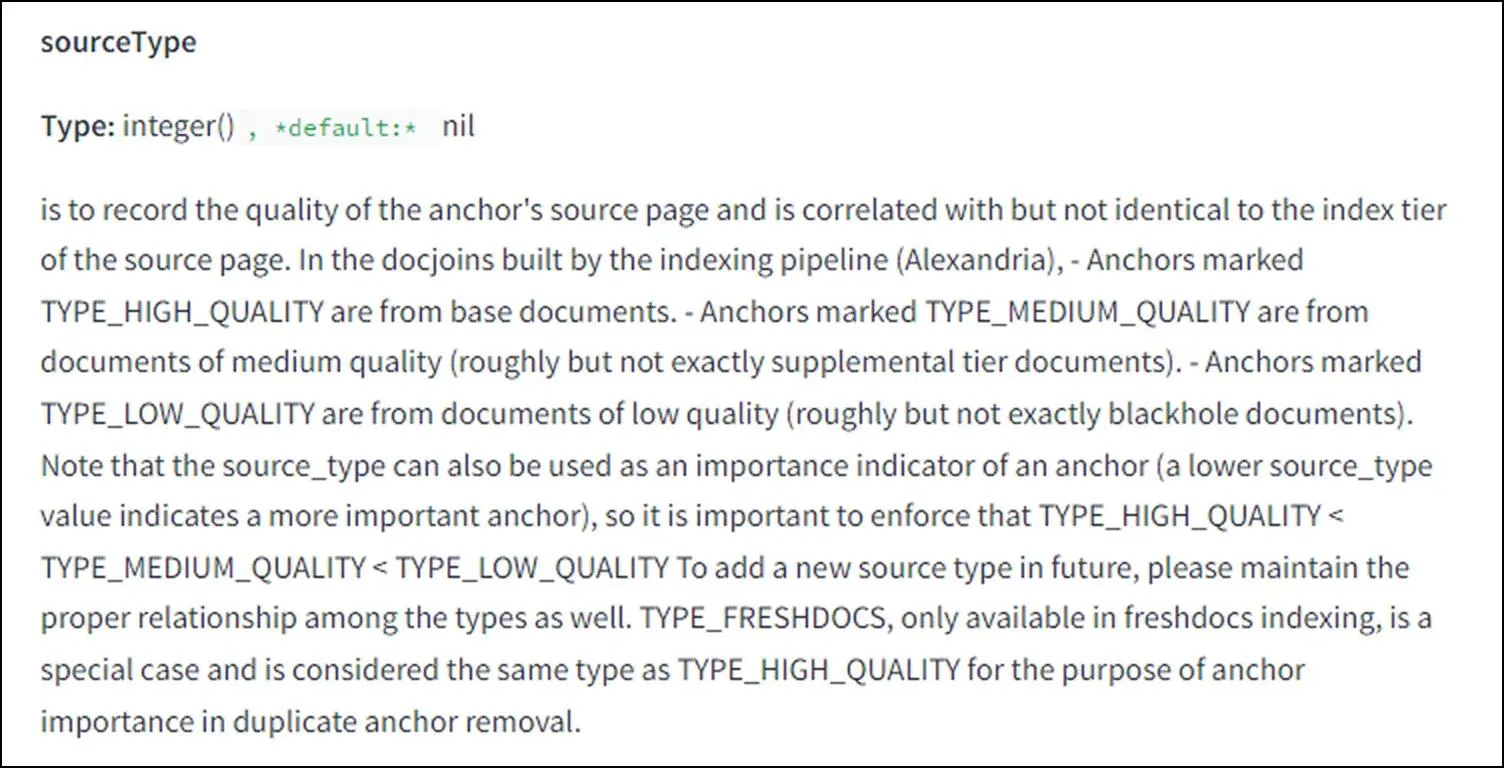
The documentation states:
"The higher the tier, the more valuable the link. Pages that are considered 'fresh' are also considered high quality."
The Domain Authority Lie Exposed
For years, Google reps said, "We don't have anything like domain authority."
The leaked docs beg to differ. Sitting right there in the Compressed Quality Signals:
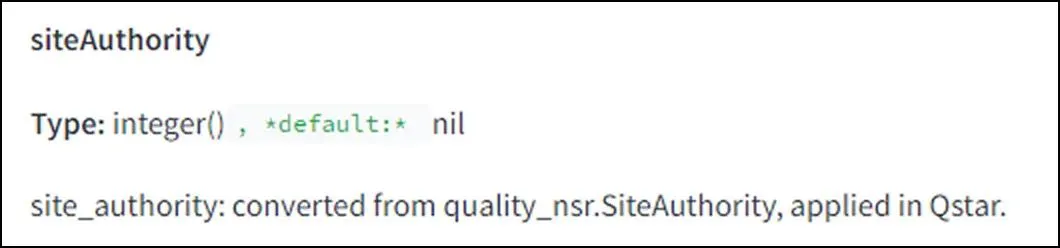
Turns out Google does calculate overall domain authority. They just didn't want you obsessing over it. But here's the thing: AI search engines care even more about this signal because they're pattern-matching across authoritative sources to build trust.
What This Means for Your PR Strategy
Getting covered in news publications and high-authority editorial sites is one of the most powerful ranking signals Google has.
Digital PR secures exactly the type of links Google values most: fresh content from authoritative sources that are constantly updated and regularly crawled. That TechCrunch feature? That Business Insider mention? Those live in Google's top tier, giving your brand maximum algorithmic weight.
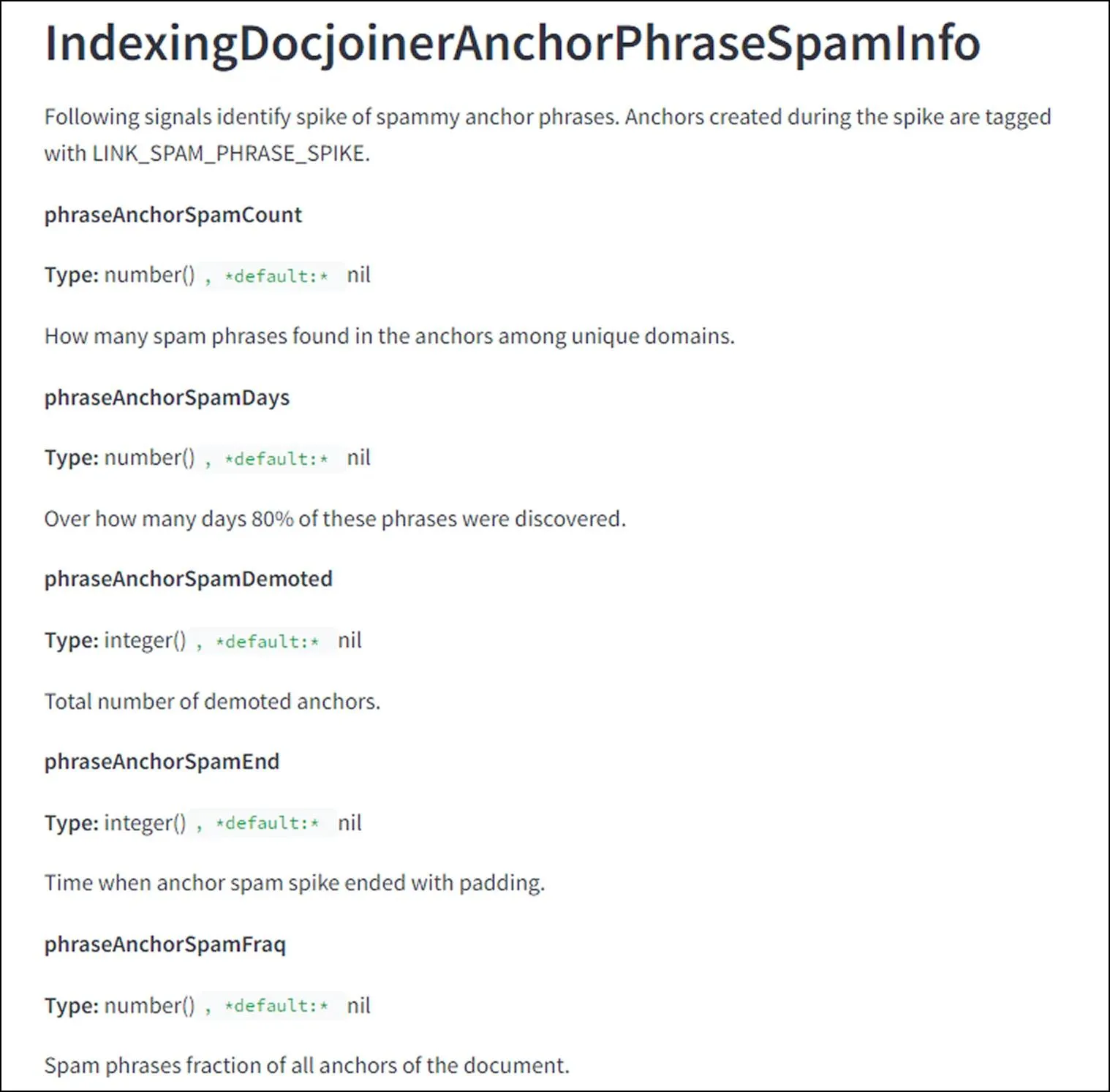
Additionally, the leak reveals that Google tracks phraseAnchorSpamDays (how quickly spam anchor text accumulates). They're measuring link velocity. Natural PR coverage that builds steadily over time? That's exactly what Google's algorithms are designed to reward. Sudden spikes from link schemes? Flagged immediately.
Bottom line: The leaked documentation proves that earning authoritative media mentions through PR is one of the most legitimate, powerful ways to build the signals that both Google's traditional algorithm and AI search engines rely on. It's also why digital PR for AIO has become a core growth channel. AI Overviews pull directly from the same high-authority sources Google's algorithm rewards.
How AI Search Rewrote the Entire Playbook
Pop quiz: Search "best AI tools for marketing" right now in ChatGPT or Perplexity.
Notice something? You get direct recommendations. No blue links. No "10 Things" listicles to click through. Just answers.
Pew Research found that 18% of Google searches now trigger AI Overviews. And here's where it gets wild: Government sources (.gov) appear 3x more often in AI summaries compared to traditional results. AI engines have built-in authority bias.
Traditional SEO chased rankings. AI-era PR chases citations inside the answer itself. This shift is why digital PR for AIO has become essential. If you're not optimizing for generative engines, you're optimizing for a search experience that's disappearing."
Similarweb data shows publisher traffic declining post-AI Overviews. Ranking #1 isn't enough anymore—you need to BE the answer.
Why Brand Mentions Matter More Than Backlinks for AI
When someone asks ChatGPT "What's the best project management tool?", it doesn't just count backlinks. It looks for three signals:
- Citation frequency: How often your brand appears in authoritative sources addressing that specific query
- Contextual relevance: Whether mentions appear in content answering the user's exact question
- Source authority: Domain reputation (.gov, .edu, tier-1 media like TechCrunch or MIT Technology Review)
LLMs get their smarts from two layers:
- Training data layer: Historical information baked into the model during initial training. This is hard to influence now (unless you've got a time machine).
- Real-time citation layer: Live web searches to answer current queries. This is where digital PR works immediately.
Digital PR for GEO tracks different metrics than traditional campaigns:
- Citation rate in AI answers: How often your brand appears when users ask relevant questions
- Share of voice in AI platforms: Your mentions vs. competitors in ChatGPT, Perplexity, and Google AI Overviews
- Source authority alignment: Placements in publications AI models demonstrably trust.
Does Investing in PR Help With AI Search Visibility?
Short answer: yes.
Long answer: Muck Rack's 2025 study found 95%+ of AI-cited links come from non-paid sources, with 85% being earned media.
Here's the mechanism:
- Training data influence: Consistent media coverage over time increases the likelihood your brand was included in AI training datasets
- Real-time citation boost: Fresh placements in authoritative sources get pulled into AI answers immediately
- Authority compounding: Each high-quality mention reinforces your position in AI recommendation hierarchies
The data backs this up: Press release citations in AI engines increased 5x between July and December 2025. AI models are actively indexing PR content.
How to Reframe Your Digital PR Strategy for AI Visibility
1. Ensure Consistent Messaging Across All PR Placements
AI models build understanding through pattern recognition. When your brand messaging varies dramatically across different publications, it confuses AI models about what you do and when to cite you.
If one article describes your company as a "project management platform" and another calls you a "team collaboration suite," AI models struggle to categorize you correctly. Work with your PR team to establish core messaging that remains consistent across all media placements. Describe your product category, key benefits, and differentiators the same way every time.
This consistency helps AI engines understand exactly what problems you solve and which user queries should trigger citations of your brand.
2. Prioritize Strategic Mentions Over Raw Volume
One mention in Wired or MIT Technology Review beats 50 mentions in low-tier blogs. Look for publications with .gov/.edu links, editorial standards, fact-checking processes, and established domain authority.
3. Target Roundups and Expert Listicles That AI Trusts
When users ask "What's the best [category]?", AI models preferentially cite expert roundups and comparison articles. Target formats like "Best tools for [use case]" and "Top [number] [category] platforms."
4. Align Your PR Content with Google's E-E-A-T Quality Signals
Google's E-E-A-T framework translates into PR tactics:
- Experience: Include real customer results and case studies in pitches
- Expertise: Position named executives as quoted experts, not anonymous "company spokespeople"
- Authoritativeness: Secure placements in publications Google demonstrably trusts
- Trustworthiness: Provide verifiable data, cite sources, include methodology
5. Secure Placements That Feed Both Training Data and Live Citations
Placements in long-standing authoritative publications likely influenced existing AI training datasets. Fresh content in the same sources gets pulled into real-time AI answers. Focus on publications with both historical authority and active indexing: The New York Times, Nature, government agency sites. This dual-layer approach is what makes digital PR for GEO so effective: you're feeding both the model's memory and its live retrieval.
Brands That Skip AI Visibility Will Lose Ground to Competitors
As AI-powered search captures more queries, brands invisible in AI answers lose discovery opportunities. Early movers who establish authority in AI recommendation systems benefit from a virtuous cycle: more citations lead to stronger authority signals, which lead to even more citations.
The longer you wait, the harder it becomes to displace competitors who've already built citation momentum. Start auditing your AI visibility today. Run your category's top 10 queries in ChatGPT and Perplexity. If your brand doesn't appear, you're already behind.
If you're ready to build the kind of authoritative presence that AI platforms cite, learn how our Digital PR services can help your brand grow. We've helped clients across industries, from SaaS platforms to e-commerce brands, achieve measurable results through strategic media placements that serve both traditional SEO and AI visibility goals.
Submit the form - Get Free Proposal
%202.png)
24 hours
Submit the form - Get Free Proposal
24 hours