How to Do Digital PR for iGaming & Casino Websites to Drive Player Traffic

Most casino marketing teams hit the same wall: Google won't run your ads, Meta blocks your campaigns, and affiliate programs are so crowded that standing out feels impossible.
If you've been stuck relying on the same channels as everyone else in a casino market projected to reach $153.57 billion by 2030, you're not alone.
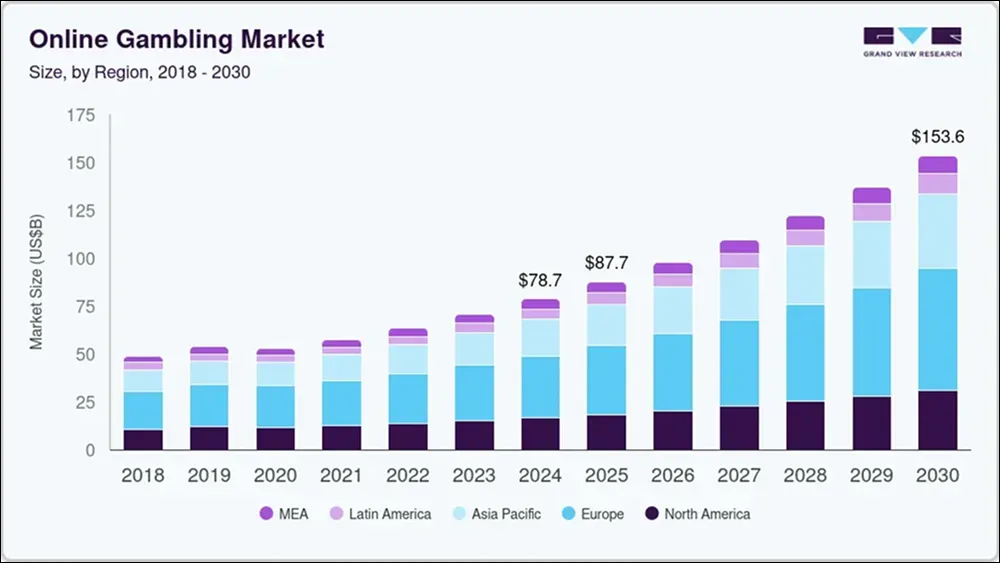
After running digital PR campaigns for gambling brands over the past few years, I've seen a clear pattern emerge: the casinos and sportsbooks winning right now aren't fighting for paid ad space. They're getting featured in sports news, business publications, and regional outlets that their competitors literally cannot buy their way into.
Let me show you exactly how they're doing it.
Why Digital PR is a Game-Changer for Casinos?
Over the past few years at Loopex, I've noticed that inquiries from iGaming and betting companies have absolutely exploded. And I completely understand why.
Casino websites can't play by the same marketing rules as other businesses. Google Ads requires gambling licenses, Meta demands written permission, and the major affiliate sites already have relationships with every major casino and sportsbook.
The result? Gambling companies rely almost entirely on brand recognition and organic search to survive. And because there are literally thousands of casino websites competing for the same keywords, SEO in this niche has become brutally competitive and incredibly creative.
For new companies just starting out, the competition is absolutely killing. Sure, anyone can get backlinks in the gambling niche: there are plenty of directories, forums, and low-quality sites willing to link. But generic backlinks simply aren't enough when you're competing against established brands with domain authority scores in the 70s and 80s.
That's why many companies turn to digital PR. So let me share 6 effective strategies of Digital PR for casino websites:
Strategy 1 - Data-Driven PR and Original Research
Since many high-authority websites don’t link directly to gambling sites, a smart approach is to focus on data-driven PR campaigns. When you create original, exclusive content, you create a valuable resource that journalists are eager to reference.
Every time a journalist cites your research in their articles, they not only validate your authority but also provide a high-quality, editorial backlink to your site. These editorial backlinks carry massive SEO weight because they're from genuine news sources with high domain authority, and they're contextually relevant to gambling topics.
How Data-Driven PR Works for Casino Websites
- The process starts with identifying a genuinely interesting question that journalists and readers actually care about. "What percentage of sports bettors use mobile apps?" is boring. "Do sports bettors believe they're more skilled than casino game players, and does the data actually support that belief?" is newsworthy.
- You then commission a survey of 1,000-2,000 people using platforms like Pollfish or Cint, asking 10-15 carefully crafted questions that dig into behaviors, attitudes, and demographics.
- Once you have the data, you analyze it, looking for surprising findings or counterintuitive trends: these become your story hooks. You create a comprehensive report with data visualizations, key findings, and transparent methodology. Essentially, this report becomes your linkable asset.
- Then you pitch journalists who cover gambling, sports, or relevant beats, offering them exclusive early access to the data before public release.
Real Life Example
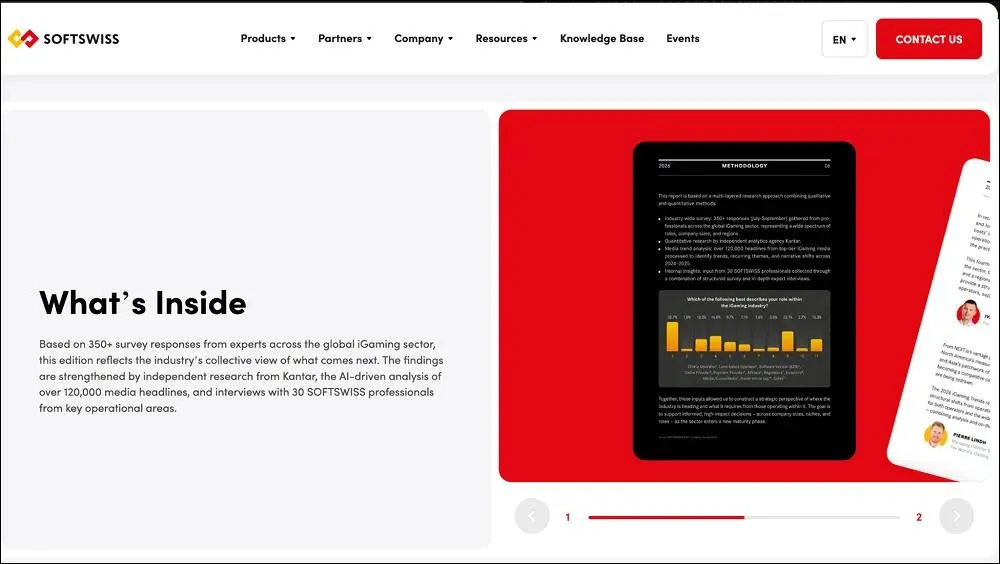
SOFTSWISS surveyed over 350 iGaming professionals across the globe, partnered with analytics giant Kantar for independent data validation, and deployed AI to analyze more than 120,000 media headlines. The result? A comprehensive industry outlook covering everything from regulatory shifts to cybersecurity threats and emerging marketing tactics.
This combination of expert insights and hard data transformed a company report into an industry reference. Now, when journalists write about the future of online casinos or sports betting regulation, they cite SOFTSWISS as a credible source.
Strategy 2 - Newsjacking Major Sporting Events
Every major sporting event creates a massive spike in gambling-related search traffic and media coverage. When the Super Bowl happens, sports journalists are writing about betting trends, popular prop bets, and wagering statistics.
Casino sites that can provide timely, relevant commentary or data during these moments get featured in articles that would normally be inaccessible. These placements drive enormous referral traffic because millions of people are reading sports coverage during major events, and they build your brand's association with big moments in sports and entertainment.
How Newsjacking Works for Casino Websites
- Successful newsjacking requires planning weeks or even months in advance. About 6-8 weeks before a major event like the Super Bowl, World Cup, March Madness, or Olympics, start preparing angles.
- This means commissioning surveys about betting intentions, analyzing historical betting data to identify trends, developing expert commentary on likely outcomes, and creating interactive betting guides or prediction tools. The key is having everything ready to go before the event so you can pitch journalists who are planning their coverage.
- I monitor what journalists are writing in the lead-up to events using tools like Muck Rack and Google Alerts, then reach out with specific angles that complement their coverage.
- During the actual event, be ready to provide real-time commentary or data when something unexpected happens, because those moments of surprise are when journalists most need expert sources!
Real Life Example
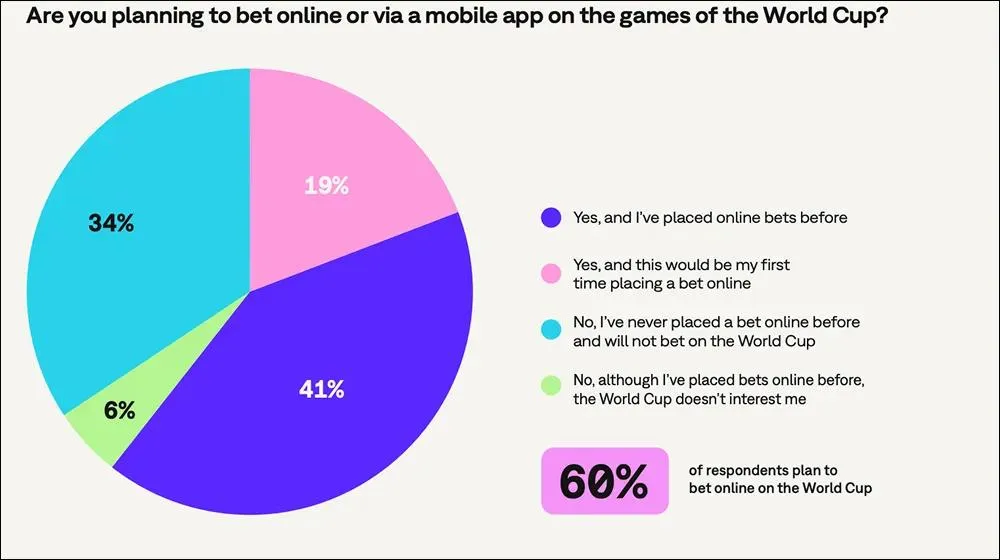
In the run-up to the 2026 World Cup, Paysafe released the “All the Ways Players Pay – World Cup 2026 Edition” report. The report uncovers how global sports fans plan to engage with sportsbooks and what payment methods they prefer. Paysafe surveyed thousands of bettors across North America, Europe, and Latin America. Then, they transformed these findings into interactive charts and infographics.
The key to its success was how Paysafe shared the data with journalists ahead of the tournament. They proactively pitched the report to sports and betting publications, positioning it as a timely, exclusive resource. As a result, they got backlinks from high-aithority, niche relevant websites.
Strategy 3 - Influencer Marketing Partnerships
Here's the crucial distinction: influencer marketing is NOT the same as social media advertising.
Social media advertising means you're paying the platform (Meta, TikTok) to show your ads. That requires approval, compliance, and faces severe restrictions.
Influencer marketing means you're paying creators to produce content about your brand. This bypasses platform restrictions because you're not running ads but sponsoring content creators, which is perfectly legal in regulated markets.
Top casino influencers reportedly earn between $10,000 to $50,000 per sponsored stream. In 2023, Twitch's gambling category alone generated over 250 million hours watched. These aren't casual viewers; they're highly engaged potential players who are already interested in gambling content.
For casino sites, influencer partnerships provide brand awareness in communities where traditional advertising is blocked, direct player acquisition through promo codes, and social proof that builds trust with skeptical potential customers.
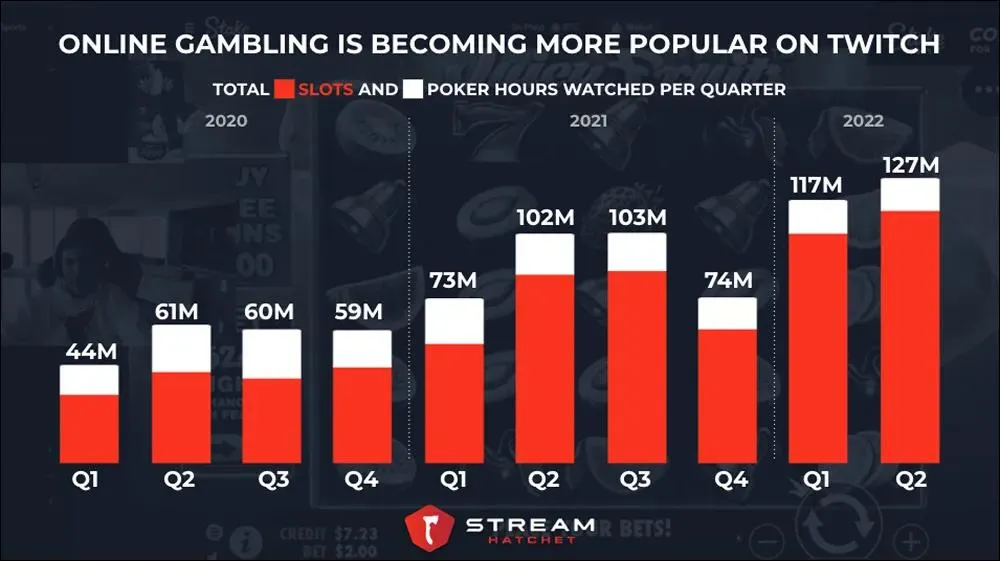
Here are some platform-specific influencer strategies:
Twitch and Kick Streaming
Twitch and Kick remain the most effective platforms for gambling influencer marketing. These platforms have allowed casino influencers to build large, dedicated followings, which highlights the significant potential of engaging content in the iGaming space there.
First, identify streamers whose audience demographics match your target market. Tools like TwitchTracker and SullyGnome help analyze viewer geography, age, and engagement.
Then the structure deals in one of three ways:
- Sponsored play sessions - Pay streamers $10,000-$50,000 to broadcast themselves playing on your platform
- Affiliate codes - Give streamers unique promo codes offering exclusive bonuses, creating trackable ROI through code redemptions
- Long-term brand partnerships - The most effective approach where the streamer becomes genuinely associated with your brand over months, not just one-off sponsored sessions
Twitch Influencer Marketing Partnership Example:
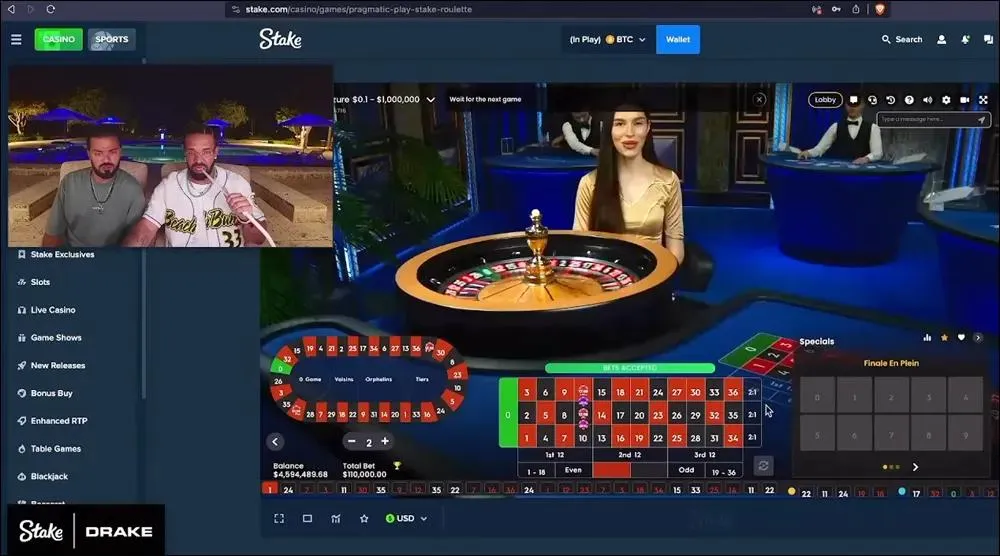
The biggest example is the Drake x Stake partnership. In 2022, Drake signed a deal with crypto casino Stake and started streaming live gambling sessions on a dedicated Twitch channel "StakeDrake." One stream pulled in over 200,000 viewers watching him play roulette with millions on the line.
What made it brilliant from a digital PR perspective is that every stream generated massive earned media: coverage from outlets like Bloomberg, Dexerto, and Complex, and created a ripple effect of backlinks, brand mentions, and social buzz that no paid ad campaign could replicate.
YouTube Content Creators
YouTube works differently than Twitch. It's about highlight reels, tutorials, strategy guides, and evergreen content rather than live streams.
You can work with creators on "platform review" style videos, sponsor compilation videos of "biggest wins" or "best moments," and provide exclusive bonuses that YouTubers can offer their audience. The key difference from Twitch is that YouTube content lives forever: a single sponsored video can drive sign-ups for years.
YouTube Influencer Marketing Partnership Example:
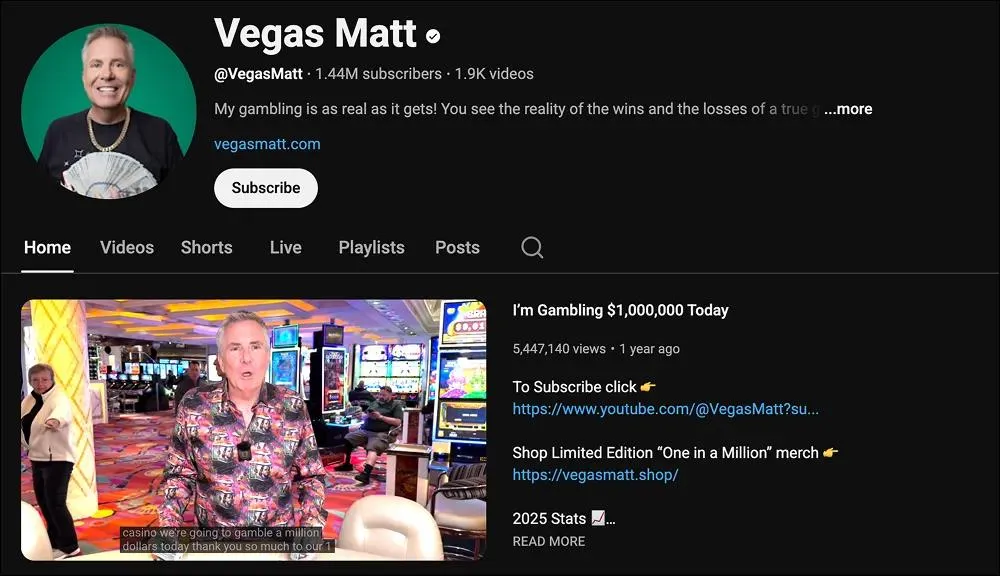
Vegas Matt became the first full-time slots influencer to cross one million YouTube subscribers in 2024 (racking up over 532 million views that year alone). His formula is simple but wildly effective: real casino floor sessions, genuine reactions to big wins and brutal losses, and a personality that keeps people watching.
Instagram Casino Influencers
Instagram thrives on visual content and shorter-form videos through Reels.
You can partner with lifestyle influencers who can showcase the entertainment aspect of casinos, focus on Instagram Reels showing big wins or casino atmosphere, and increasingly work with micro-influencers (10K-100K followers) who often have better engagement rates than mega-influencers.
Instagram Influencer Marketing Partnership Example:
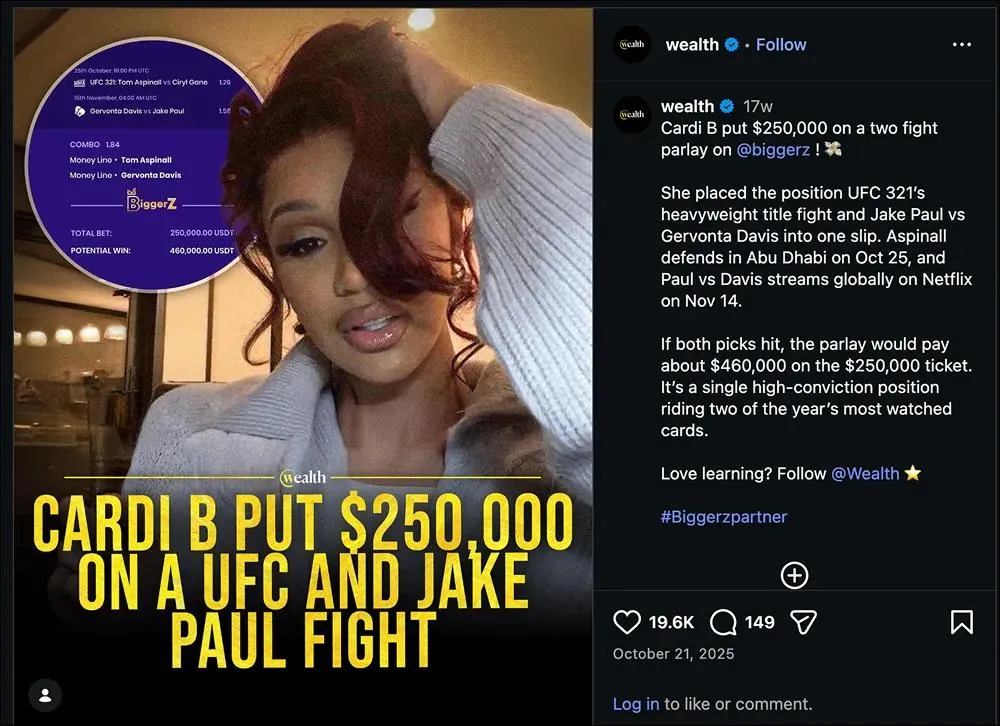
A recent example is BiggerZ, a crypto casino and sportsbook that launched in 2025 and immediately went heavy on Instagram influencer marketing. The platform landed partnerships with names like Cardi B, French Montana, Rick Ross, and Rich The Kid, all of whom engaged with BiggerZ through Instagram posts and stories showcasing their bets and wins.
Cardi B made headlines when she placed a $250,000 on UFC fight. That single moment generated coverage across sports, entertainment, and gambling media simultaneously.
TikTok's Compliance Challenge
TikTok prohibits direct gambling advertising in most markets. However, creative casino brands use influencer partnerships to stay visible while respecting platform rules. The key is focusing on entertainment-first content rather than direct promotion.
Work with creators to make content about gambling culture, strategy education, and entertainment value (not "sign up here" calls to action). All content targets 21+ audiences through TikTok's age-gating features.
TikTok Influencer Marketing Partnership Example:
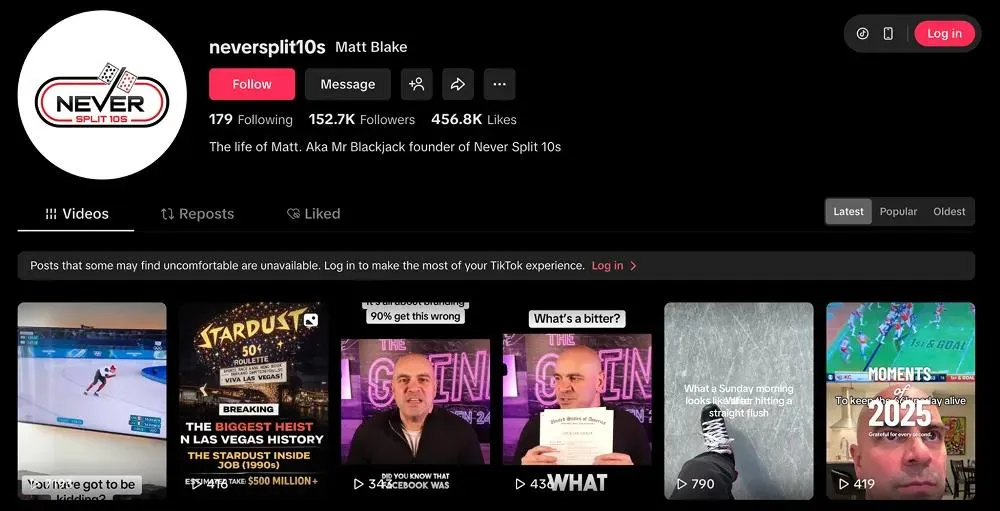
A good example is Matt Blake, a TikTok creator with over 152,000 followers who built his entire audience around blackjack strategy content: quick, punchy videos breaking down when to hit, stand, double down, or split. There is no casino branding in sight, just pure entertainment and education.
But thousands of people asking which platform he plays on, what app to use, and how to get started. That organic curiosity is exactly what iGaming brands tap into by partnering with creators like him. The brand mention happens naturally, not as an ad but as an answer to a question people are already asking.
Strategy 4 - Expert Commentary and Thought Leadership
Positioning your executives or team members as expert sources builds credibility and earns editorial coverage that links back to your site. This works particularly well in the gambling industry because journalists covering legislation, regulatory changes, and market trends constantly need expert perspectives.
How Expert Commentary Works for Casino Websites
- Look for 2-3 people in the organization who are genuinely knowledgeable and articulate in the casino niche. This could be your CEO, head of compliance, chief marketing officer, senior data analyst, or even game developers with unique technical expertise.
- Then create detailed expert profiles outlining their background, expertise areas, and specific topics they can speak to. For example: "Amelia Johnson, Chief Compliance Officer, 15 years in gambling regulation, expert in state-by-state licensing requirements and responsible gaming programs."
- Make these profiles available to journalists and include them in pitch emails.
- Then monitor news using Google Alerts, Muck Rack, and industry newsletters, watching for stories about gambling legislation, regulatory changes, or industry trends.
- When you see relevant coverage, reach out to the journalist immediately with a simple message: "I saw your piece on [topic]. Our Chief Compliance Officer has been working in gambling regulation for 15 years and has insights on [specific aspect]. Would you be interested in speaking with her for future pieces?"
Real Life Example
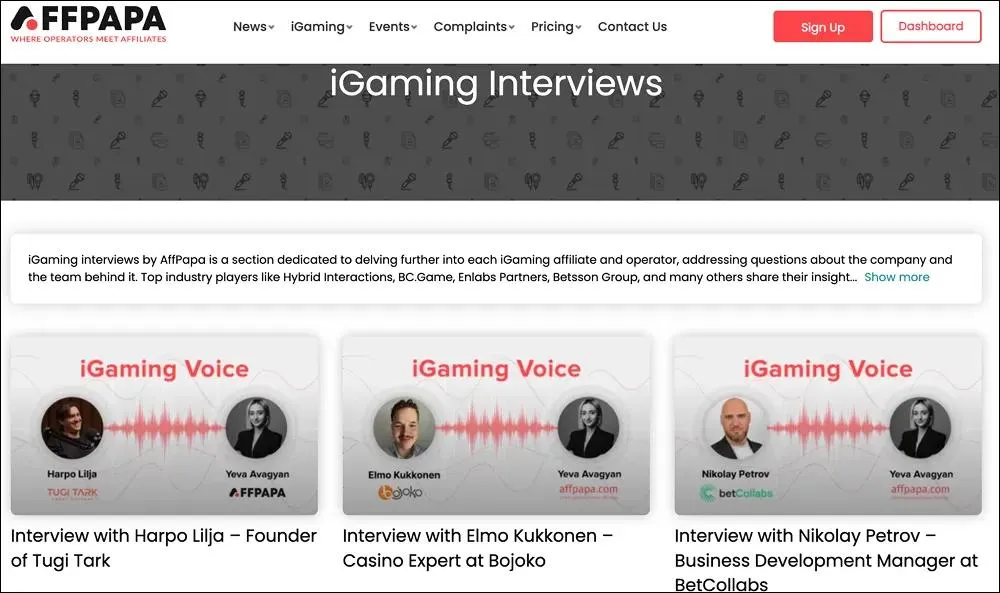
AffPapa’s “iGaming Interviews” include conversations with executives like Joshua Rawlings, Chief Author at Casino.Online, where he discusses his expertise in casino review content and industry strategy, and other leaders who talk about how their brands differentiate themselves in a competitive market.
These interviews are published publicly and provide direct expert perspectives that outlets and readers reference to understand broader industry thinking!
Strategy 5 - Strategic Affiliate Partnerships
Affiliate marketing remains one of the most effective casino acquisition channels because it delivers targeted traffic from trusted sources at performance-based costs. The key difference from general link building: affiliates are actively trying to convert traffic, not just link to you.
They create detailed reviews, comparison charts, and educational content specifically designed to help people choose a casino. And when readers trust the affiliate's recommendation, conversion rates are significantly higher than cold traffic.
How Affiliate Partnerships Work for Casino Websites
Afiliates typically earn 25-50% revenue share, meaning casinos only pay when affiliates drive profitable players who actually deposit and play. Largest affiliate sites like AskGamblers, CasinoMeister, and ThePogg have built entire businesses ranking for high-value terms like "best online casino" or "top sportsbooks" (keywords that cost $20-30 per click on Google Ads but affiliates deliver organically). They earn commissions through CPA (cost per acquisition) deals, where the casino pays a flat fee for every depositing player the affiliate sends, or through revenue share agreements, where the affiliate earns a percentage of the net losses generated by referred players for life.
Beyond direct player acquisition, affiliate partnerships also build SEO authority because quality affiliates naturally link to your site from high-authority domains, and these links help your own pages rank better over time.
Real Life Example
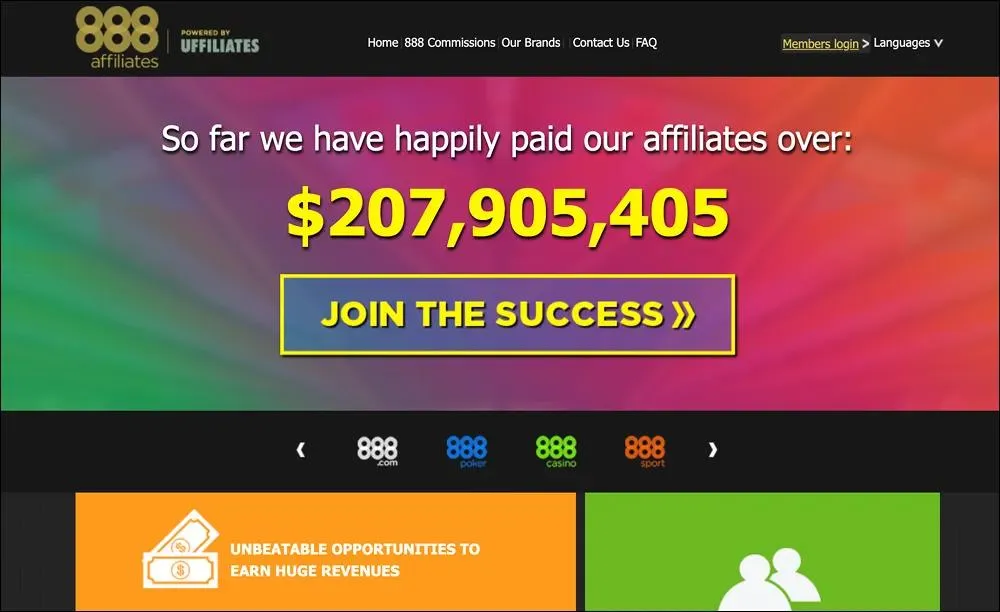
888casino cracked the code on affiliate partnerships by doing something simple yet powerful: treating affiliates like real business partners, not just marketing pawboards.
They let affiliates pick commission structures that actually made sense for their audience. Think of it as a "choose your own adventure" for monetization because what works for a comparison site won't necessarily work for an educational blog.
The affiliates? They got creative. They crafted in-depth reviews, built side-by-side comparison tools, and published educational content that genuinely helped readers make informed choices.
AS a result, player sign-ups surged as affiliates funneled high-quality, engaged traffic to the platform. Meanwhile, affiliates earned through revenue sharing, pocketing a cut of every player they brought to the table.
Strategy 6 - Interviews with Industry Insiders
For casino brands, securing expert commentary from well-known figures (like retired sports stars, prominent poker players, or respected iGaming executives) helps establish credibility and attract media coverage.
How Interviews with Industry Insiders Work for Casino Websites
- When a famous poker pro discusses strategy on your blog or a former athlete shares their sports betting insights, their credibility transfers to your brand. Media outlets love quoting known names, which means your interview becomes a linkable, shareable asset!
- Trade publications, sports blogs, and gambling news sites frequently search for expert quotes to strengthen their own articles. By hosting these interviews on your site, you create a resource journalists need to link to when citing that expert's views.
You can also turn a single interview into:
- A full-length article with pull quotes
- Social media snippets with the expert's headshot
- A YouTube video or podcast episode
- An infographic highlighting key insights
- Press releases announcing the collaboration
Real Life Example
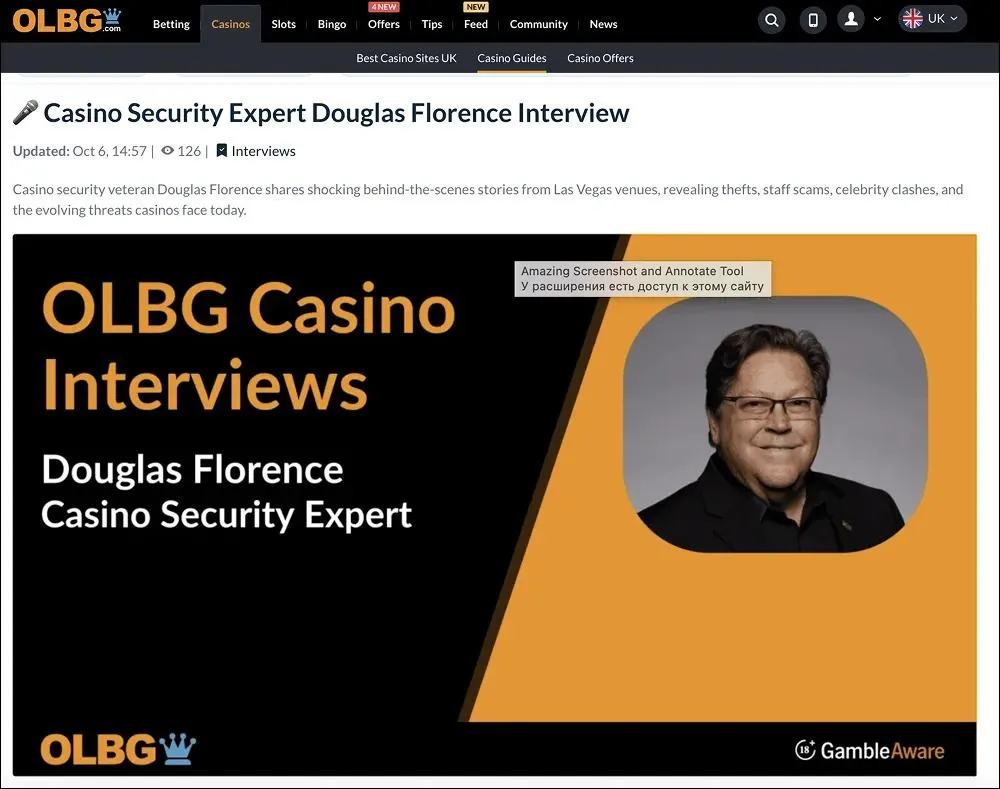
OLBG pulled off a smart digital PR move by snagging an interview with Douglas Florence, a casino security heavyweight who spent decades running surveillance at iconic Vegas properties like the Rio and Hard Rock.
Florence's credibility was rock-solid. He wasn't just talking theory; he'd built his career protecting some of Vegas's biggest casinos and now runs a top-tier security consultancy. When journalists and bloggers hunting for expert sources stumbled upon this interview, they found exactly what they needed: quotable, authoritative content they could reference.
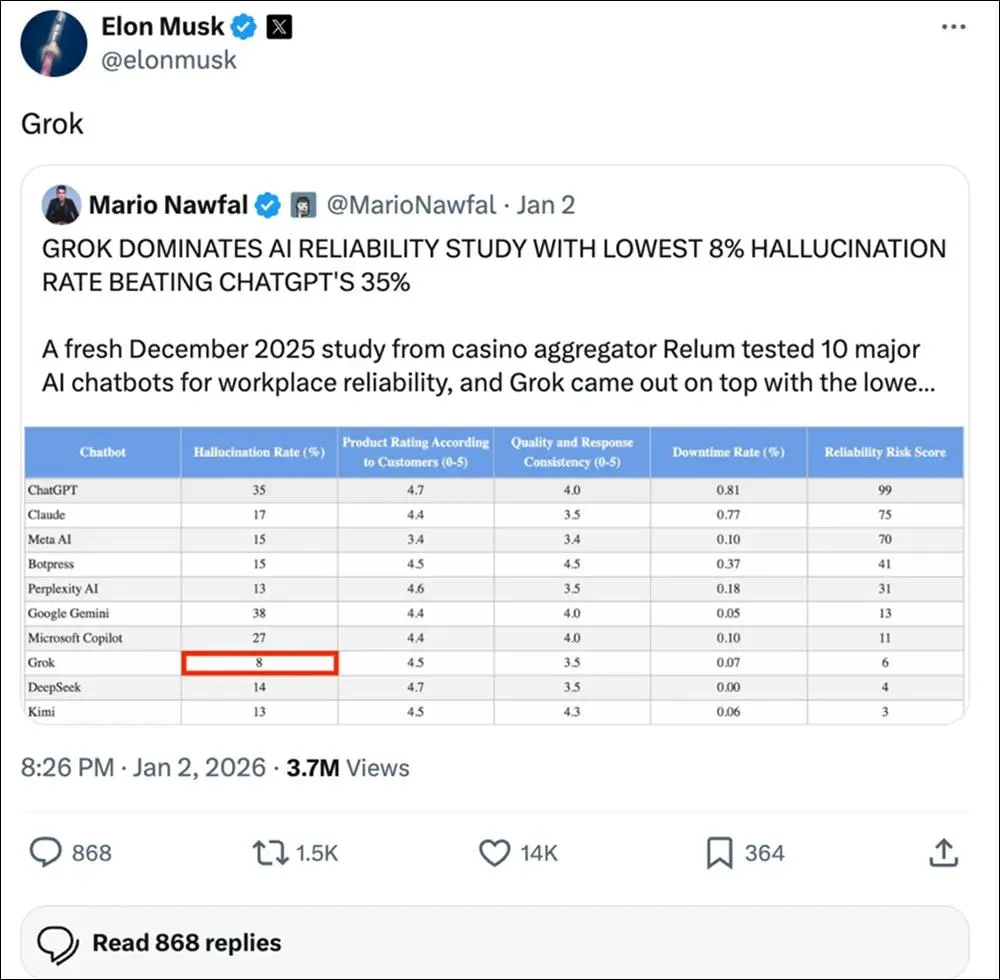
How a Casino Data Study Got Elon Musk to Promote Our Client
One repost. One word. 3.7 million views.
We didn't buy ads. We didn't pitch Elon Musk. We just built something worth sharing and let the internet do the rest.
Relum, a casino games aggregator, wanted tech coverage. So we put the world's most-used AI tools under a microscope, ranking 10 major chatbots on workplace reliability across hallucination rate, customer ratings, response consistency, and downtime.
Then the data surprised us: ChatGPT, the tool millions of professionals trust daily, ranked dead last. It fabricates information 35% of the time. Google Gemini was even worse at 38%. Meanwhile, Grok recorded the lowest hallucination rate of any model tested: just 8%.
A casino brand had just produced the most credible AI reliability study on the internet. The study got picked up fast. Tech creators and journalists ran with it, and the coverage snowballed until it landed in front of Elon Musk himself.
He reposted it with a single word: "Grok."
That's it. No quote, no commentary. We never pitched Musk. We never needed to. We just built something so shareable it found its own way to him.
Common Casino PR Mistakes that Waste Budget
I've seen casino brands blow six figures on PR campaigns that generated zero meaningful results. Let me save you from the most common mistakes. Journalists aren't your marketing department. They're looking for stories their readers will find genuinely interesting. If your pitch sounds like an ad, it goes straight in the trash.
Mistake #1: Having no data or proof points
I see brands pitch stories built entirely on claims with zero supporting evidence:
- "Our casino app is revolutionizing mobile betting!" (According to whom?)
- "Players love our new game features!" (Based on what data?)
- "We're the fastest-growing sportsbook in the market!" (Says who?)
What to do instead: Back every claim with data:
- "Our casino app saw 127% increase in daily active users in Q4" (backed by your internal analytics).
- "Post-launch survey of 500 customers showed 87% rated the new game features 4 or 5 stars" (backed by actual survey data).
- "Third-party market analysis from XYZ Research ranked us as the #3 fastest-growing sportsbook by user acquisition" (backed by external validation).
Mistake #2: Ignoring compliance and regulatory reality
Casino PR exists in a heavily regulated environment. Ignoring that will get your pitches rejected and potentially create legal issues.
What to do instead: Work with your legal and compliance team before any PR campaign launches. Include responsible gambling messaging in relevant content. Never make guarantees about winning or returns. Frame content around entertainment, data, and education rather than making winning promises.
Mistake #3: Spray-and-pray pitching
Sending the exact same generic pitch to 200 journalists is a waste of everyone's time.
What to do instead: Build targeted media lists. Research what each journalist actually covers. Customize your pitch to explain why your story matters specifically to their audience. Reference their previous work when relevant.
I send 15-20 highly targeted, personalized pitches instead of 200 generic ones. Response rate is usually 25-35% because journalists can tell I've actually read their work and understand what they care about.
Mistake #4: Having no follow-up strategy
Getting one piece of coverage and then disappearing is leaving money on the table. PR compounds. The real value comes from sustained effort where each campaign builds on the last, and relationships with journalists deepen over time.
What to do instead: Plan campaigns quarterly so you maintain consistent visibility. Follow up with journalists who cover your stories. Offer those journalists exclusive access to future data or insights. Build a sustained program rather than one-off campaigns.
Mistake #5: Focusing only on national publications
Everyone wants coverage in The New York Times or ESPN. But for most casinos, especially regional ones, that's not where the value is.
National outlets are incredibly competitive and often don't cover regional casino stories. Meanwhile, you're ignoring publications that would happily cover you and drive more relevant traffic.
What to do instead: Start with regional and industry-specific publications where you'll actually get coverage. Build up a portfolio of clips and data from those placements. Then pitch national outlets with "We've been covered by X, Y, and Z showing strong interest in this topic" as social proof.
How to Measure Casino PR ROI?
Let's talk about how to actually measure whether your PR investment is working. Most agencies will drown you in vanity metrics that look impressive but don't connect to business outcomes.
Metrics that actually matter are:
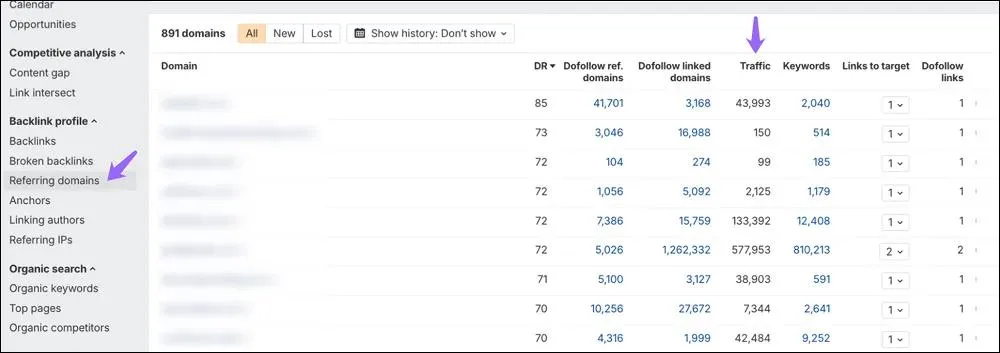
- Backlinks from high-authority, relevant domains: Track both the number of linking domains and their authority. Use Ahrefs or SEMrush to monitor this. For a solid 6-month campaign, aim for 40-60 new linking domains with an average DR of 50+.

- Ranking improvements for target keywords: Track your rankings for high-value gambling keywords weekly. 20-40% of target keywords should improve by 5+ positions within 6 months. At least 3-5 competitive keywords should break into page one.
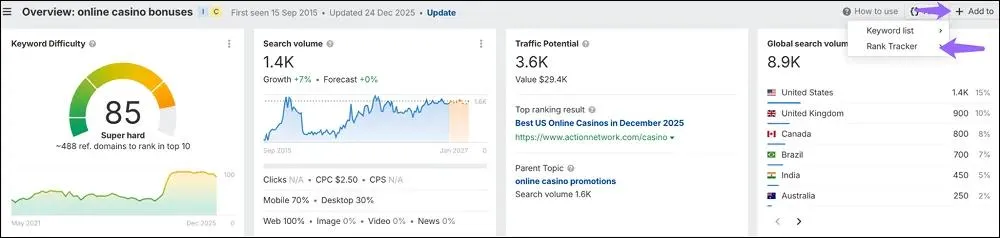
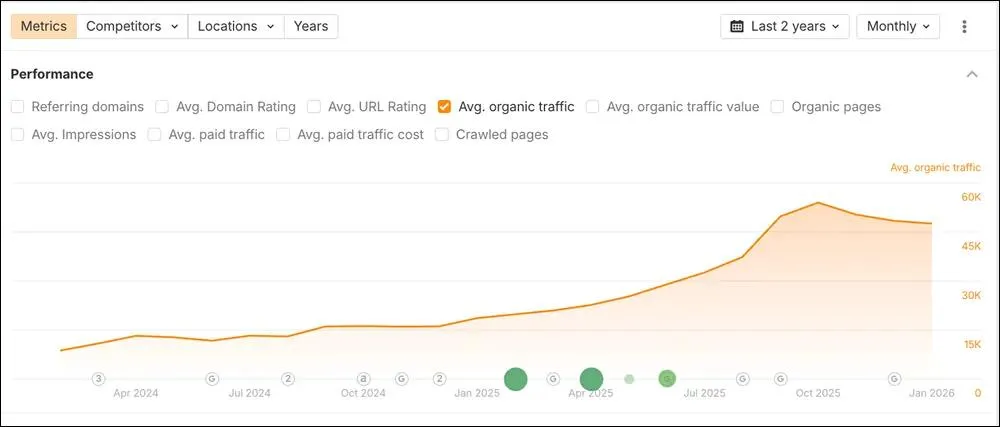
- Organic traffic growth to specific pages: Don't just look at site-wide traffic. Track organic traffic to the specific pages you're building links to.
- Referral traffic from coverage: How much traffic are you actually getting directly from the publications that covered you? Major placements should drive 50-200+ referral visits each. If coverage isn't driving any referral clicks, the coverage might not be as prominent as you think.
- Brand search volume increases: As you get more coverage, more people should be searching for your brand name directly. 20-30% increase in brand searches over 6 months of consistent PR.
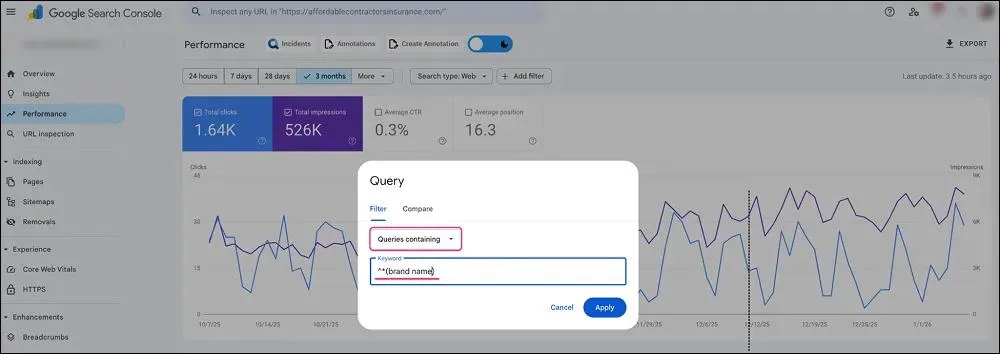
- Conversion rate changes for organic traffic: The ultimate metric - is your organic traffic converting better as your brand becomes more recognized? This is harder to attribute directly to PR, but you should see conversion rates stabilize or improve as brand awareness grows.
One practical way to track this is by using UTM parameters on every link placed through PR efforts. Tag each link with UTM source, medium, and campaign (e.g., ?utm_source=askgamblers&utm_medium=referral&utm_campaign=casino_review_jan) so you can isolate exactly which PR placements are driving traffic and conversions in Google Analytics. Over time, this gives you a clear picture of which earned media efforts are actually moving the needle on signups and deposits.
- Business impact metrics: Ultimately, PR should drive business results. Track:
- New player sign-ups attributed to PR channels (using UTM parameters and affiliate codes)
- Cost per acquisition from PR compared to other marketing channels
- Player lifetime value by acquisition source (do PR-driven players stick around longer?)
- Conversion rate for organic traffic over time
- Revenue attribution to specific PR campaigns (when possible)
Why Top Casino Brands are Investing in Digital PR Right Now?
The gambling industry is shifting fast. More states are legalizing sports betting, which means more competition for visibility. Paid channels are increasingly restricted. And players are doing more research before choosing where to play.
The brands winning right now are building authority through earned media, not just buying their way to visibility. You can try to figure this out yourself - build media lists, create research campaigns, pitch journalists. Or you can work with a team that's already done this hundreds of times.
If you're serious about competing in gambling SEO without wasting money on restricted paid channels, let's talk about your specific situation.
Submit the form - Get Free Proposal
%202.png)
24 hours
Submit the form - Get Free Proposal
24 hours