
Digital PR for Adult Sites How to Build Visibility in The MOST Restricted Niche

When adult website owners reach out to me asking about SEO services, most of them have already tried everything. Guest posting? They've been burned by shady networks. PBNs? They've watched competitors get demolished by algorithm updates. Forum spam? Don't even get me started.
Here's what I tell them: if you're serious about building sustainable authority for an adult website in 2026, there's really only one strategy that delivers consistent, penalty-proof results - digital PR.
When you're operating in the adult space, 95% of traditional link-building strategies are either completely unavailable to you or carry unacceptable risk. I've seen countless sites get penalized for aggressive tactics, but I've never, not once, seen a site penalized for earning legitimate press coverage.
In this guide, I’ll cover the strategies that actually work, the mistakes that can destroy your site, and real campaign examples that earned coverage from publications you'd never expect to link to an adult brand.
Strategy 1: Earned Media & Press Coverage
This is the strategy most people think of when they hear "digital PR", and for good reason. Instead of asking for coverage, you become a valuable source journalists need. Data-led campaigns account for 42.3% of all digital PR efforts, making it the most popular campaign type.
The beauty of earned media? You're becoming a valuable source of insight, data, or expert commentary. The adult brand becomes secondary to the story itself.
Strategies that work:
- Original research and surveys: Survey 2,000+ people about relationship trends, dating app usage, sexual wellness, or intimacy patterns. Publish compelling findings that lifestyle and health publications naturally want to cite.
- Data visualizations and interactive tools: Create calculators, quizzes, or data visualizations that provide ongoing value. These attract links for years, not just during launch week!
- Newsjacking and trend commentary: When dating apps release data or relationship trends hit headlines, position yourself as the expert source for commentary. Speed is everything; respond within hours.
- Expert commentary: Position team members as go-to experts for journalists covering sexuality, relationships, or wellness topics. This is compound-interest PR, the relationships you build pay dividends for years.
- Seasonal campaigns: Valentine's Day, Pride Month, cuffing season: editors plan content calendars around these moments and actively seek fresh data and angles.
Press Coverage Example:
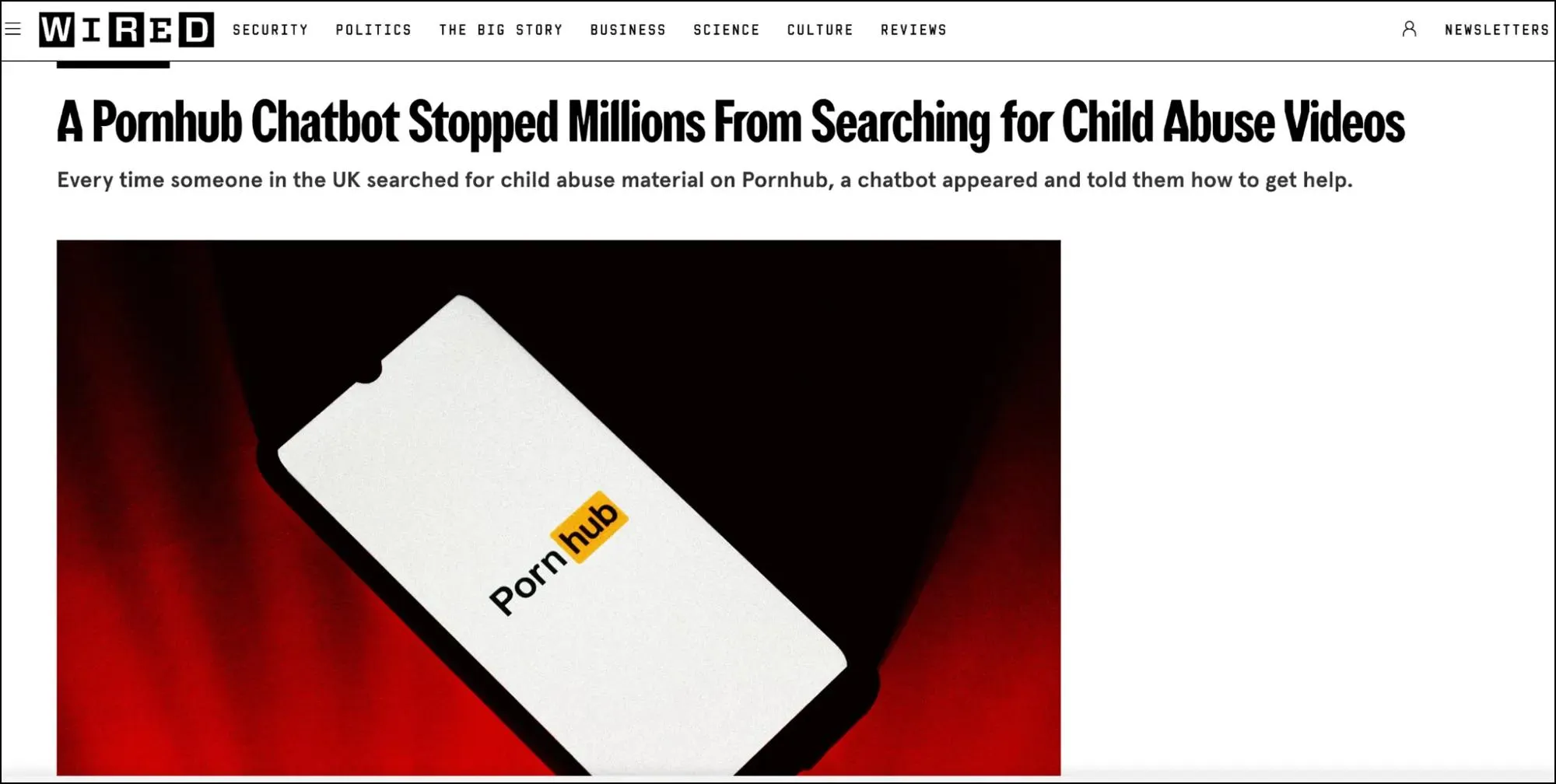
When Pornhub launched a UK-focused safety initiative using a chatbot to intercept illegal search intent, it didn’t pitch the story as “look at our platform.” It framed it around online safety and measurable impact. The chatbot was reportedly triggered millions of times, redirecting users to support resources and helplines.
That public-interest angle is what secured mainstream coverage from outlets like Wired. The product wasn’t the headline. The societal impact was.
This is the lesson: if your campaign serves a bigger narrative, editors will cover it even if your brand operates in a restricted niche.
Strategy 2: Influencer Marketing & Creator Partnerships
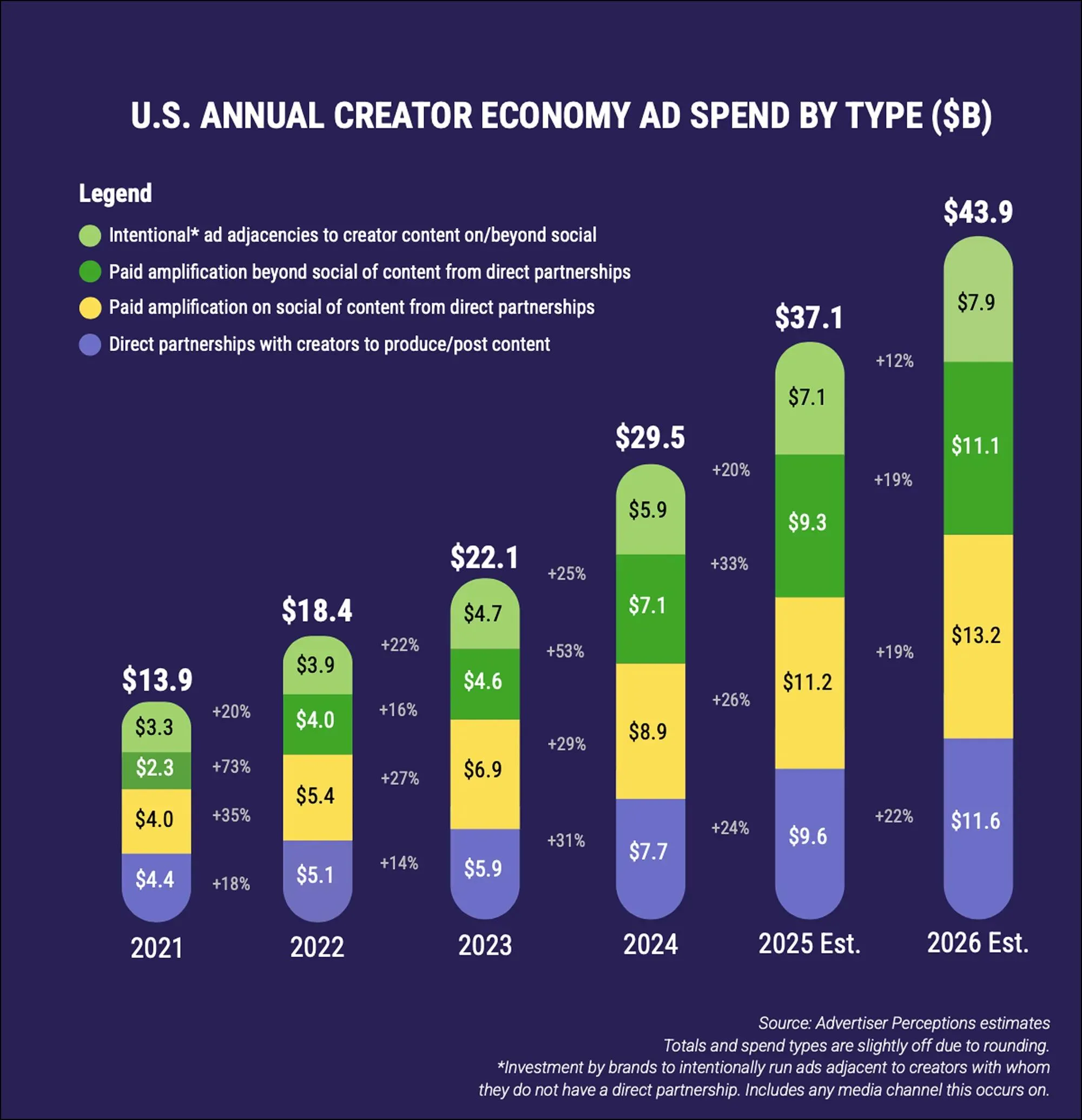
In 2026, the global creator economy is projected to exceed $43.9 billion. For adult brands, creator partnerships offer a path to authentic audience engagement that paid advertising simply can't match.
However, traditional celebrity endorsements don't work for adult brands. What does work is partnering with micro and mid-tier creators in adjacent niches (sexual wellness, relationship coaching, body positivity, LGBTQ+ advocacy, and lifestyle content):
Strategies that work:
- Micro-influencer campaigns (5K-50K followers): These creators have tight-knit communities where recommendations feel personal. Their engagement rates destroy macro influencers, and their audiences actually convert.
- Authority creators (certified professionals): Sex educators, therapists, relationship coaches bring credibility that random influencers can't match. Their followers trust their vetted advice.
- Long-term ambassador programs: Stop doing one-off sponsored posts. Multi-month partnerships with 5-15 creators create sustained exposure that feels genuine.
- User-generated content (UGC) campaigns: Encourage customers to share experiences with branded hashtags. UGC delivers higher engagement than polished brand content while providing social proof at scale.
- Platform-specific strategies: TikTok and Instagram Reels for younger demos. YouTube for in-depth reviews. Substack for niche newsletter audiences.
Influencer Marketing Example:
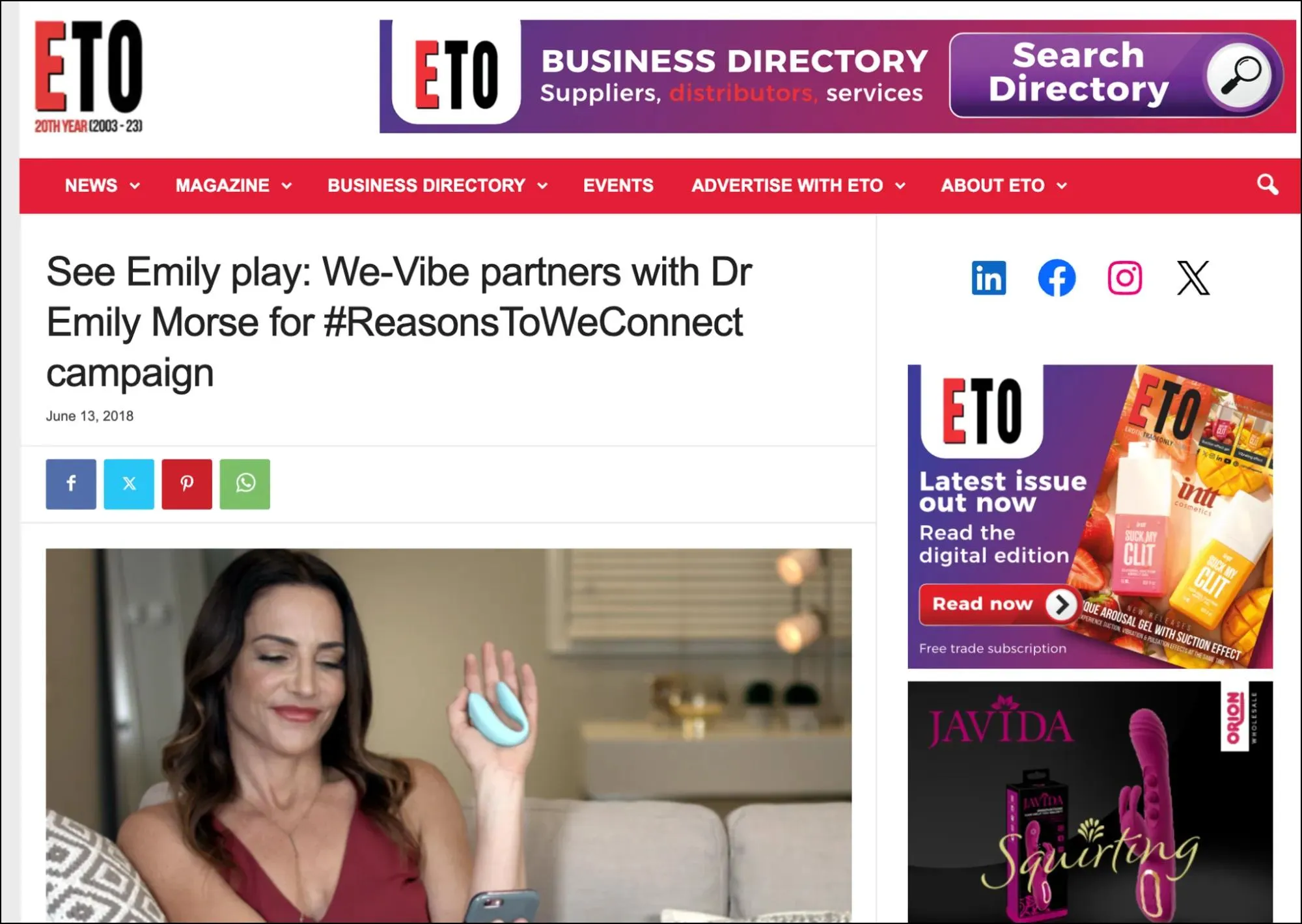
We-Vibe partnered with sex and relationship expert Dr. Emily Morse for an education-led campaign tied to its connected products. Instead of pushing product features aggressively, the collaboration centered on intimacy advice, communication, and relationship health.
The result? Retailer-ready content, built-in credibility from a trusted expert, and amplification across Dr. Emily’s podcast and social channels. The brand gained authority by standing next to someone audiences already trust.
Here’s what makes this work: authority transfers. When certified professionals advocate for you, platform restrictions matter less because the conversation becomes educational, not promotional.
Strategy 3: Social Media Engagement & Community Building
Social media is where your reputation gets built or destroyed. But for adult brands, traditional social advertising is often banned or restricted.
The solution? Organic community building that creates an audience immune to platform policy changes.
In 2026, the smartest brands are cultivating engaged micro-communities. They build spaces where your audience genuinely wants to participate!
Strategies that work:
- Private community channels: Launch branded channels on WhatsApp, Discord, or Telegram where you deliver exclusive content, early access, and insider updates without algorithmic interference.
- Educational content series: Create serialized content that positions you as a trusted educator, not just a seller. Weekly tips, myth-busting series, expert Q&As.
- Live engagement events: Instagram Live, TikTok LIVE shopping, virtual workshops. Real-time interaction builds trust faster than pre-recorded content ever will.
- Behind-the-scenes transparency: Show your brand's human side. Introduce team members. Share product development stories. Celebrate milestones. Authenticity > polished looks.
- Brand advocacy programs: Turn your most passionate customers into official ambassadors. Reward loyalty with exclusive perks and recognition. They become your most credible marketing channel!
- Social listening and responsive engagement. Monitor brand mentions across Reddit, Twitter/X, and niche forums and respond thoughtfully.
Social Media Engagement Example:
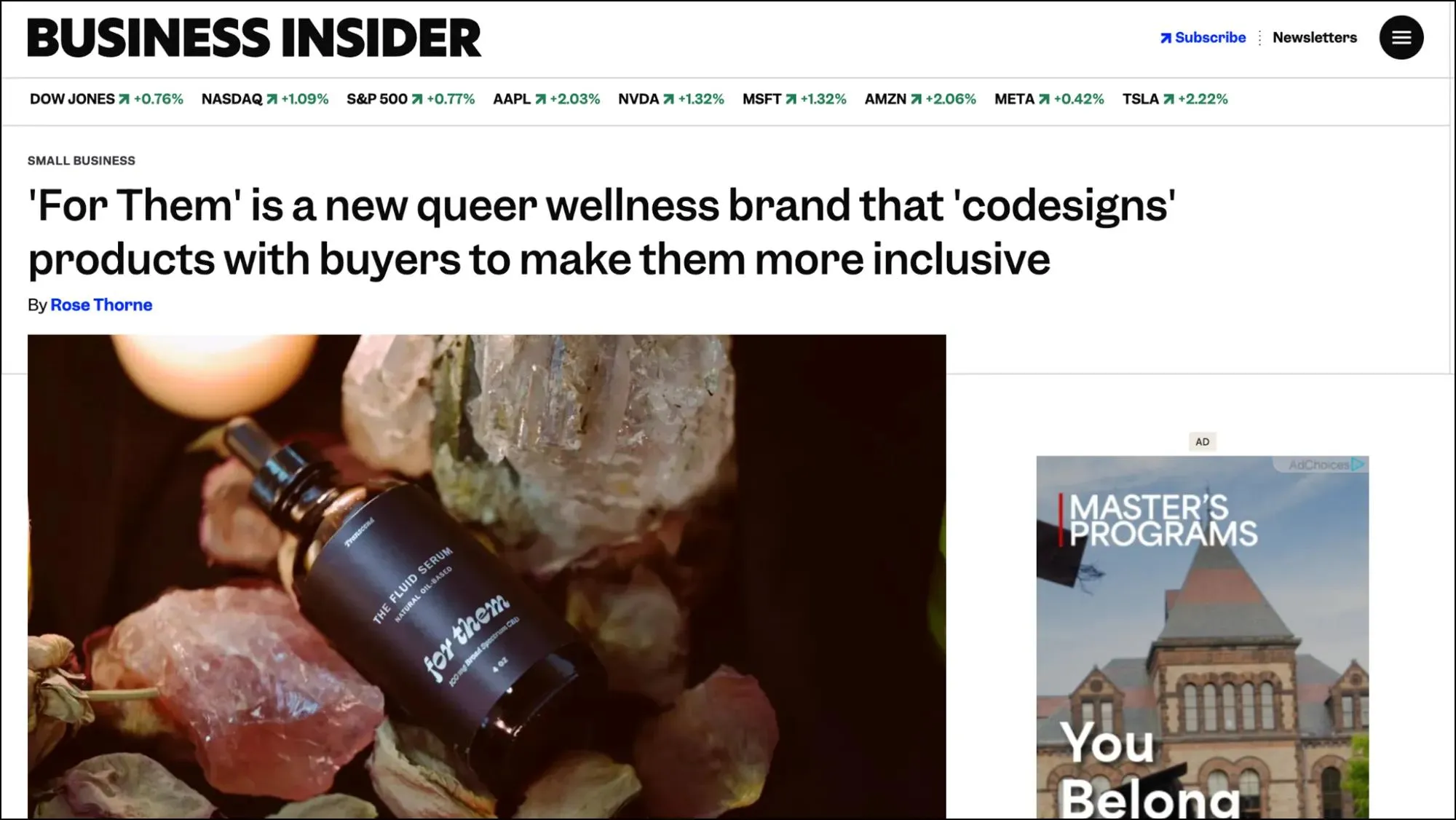
Queer wellness brand For Them built its community before aggressively pushing product. Instead of relying on algorithm-heavy feeds, the brand launched a Discord server where members could discuss identity, health, and product development directly with the team.
Reportedly, hundreds of members engaged daily. That’s not vanity engagement. That’s owned attention.
The takeaway? When you build private micro-communities, you reduce dependence on platforms that may restrict or shadowban you. Community becomes your moat.
Strategy 4: Podcast Marketing & Audio Content
With 4.5+ million active podcasts globally, audio content represents one of the highest-trust channels available. For adult brands specifically, podcasts offer something rare: the ability to have nuanced, long-form conversations that platforms like Facebook won't allow.
The podcast opportunity comes in three forms:
Guest appearances – Position your founders or experts as guests on shows covering sexuality, relationships, wellness, or entrepreneurship. Podcast audiences are highly engaged and trust host recommendations.
Podcast sponsorships – Listeners are 68% more likely to consider brands endorsed by their favorite hosts. Target shows with audiences that align with your demographics.
Branded podcasts – Launch your own show providing genuine value (e.g.,sexual wellness education, relationship advice, expert interviews). The goal isn't direct promotion; it's positioning your brand as a trusted authority.
Strategies that work:
- Consistency over intensity: Weekly episodes outperform sporadic content, even if sporadic episodes are higher quality.
- Multi-format distribution: Repurpose podcast content into YouTube videos, blog transcripts, social clips, newsletter content. One episode = 30 days of marketing assets.
- SEO optimization: Create podcast websites with episode transcripts, show notes, guest bios. These pages rank in Google and provide evergreen value.
- Cross-promotion: Build relationships with other podcasters for guest swaps. Collaborative growth beats competing for attention.
Expert tip: Podcasts are intimate media. Audiences develop parasocial relationships with hosts. If you earn a host endorsement, you're tapping into years of built trust. Respect that by ensuring your products deliver genuine value.
Podcast Marketing Example:
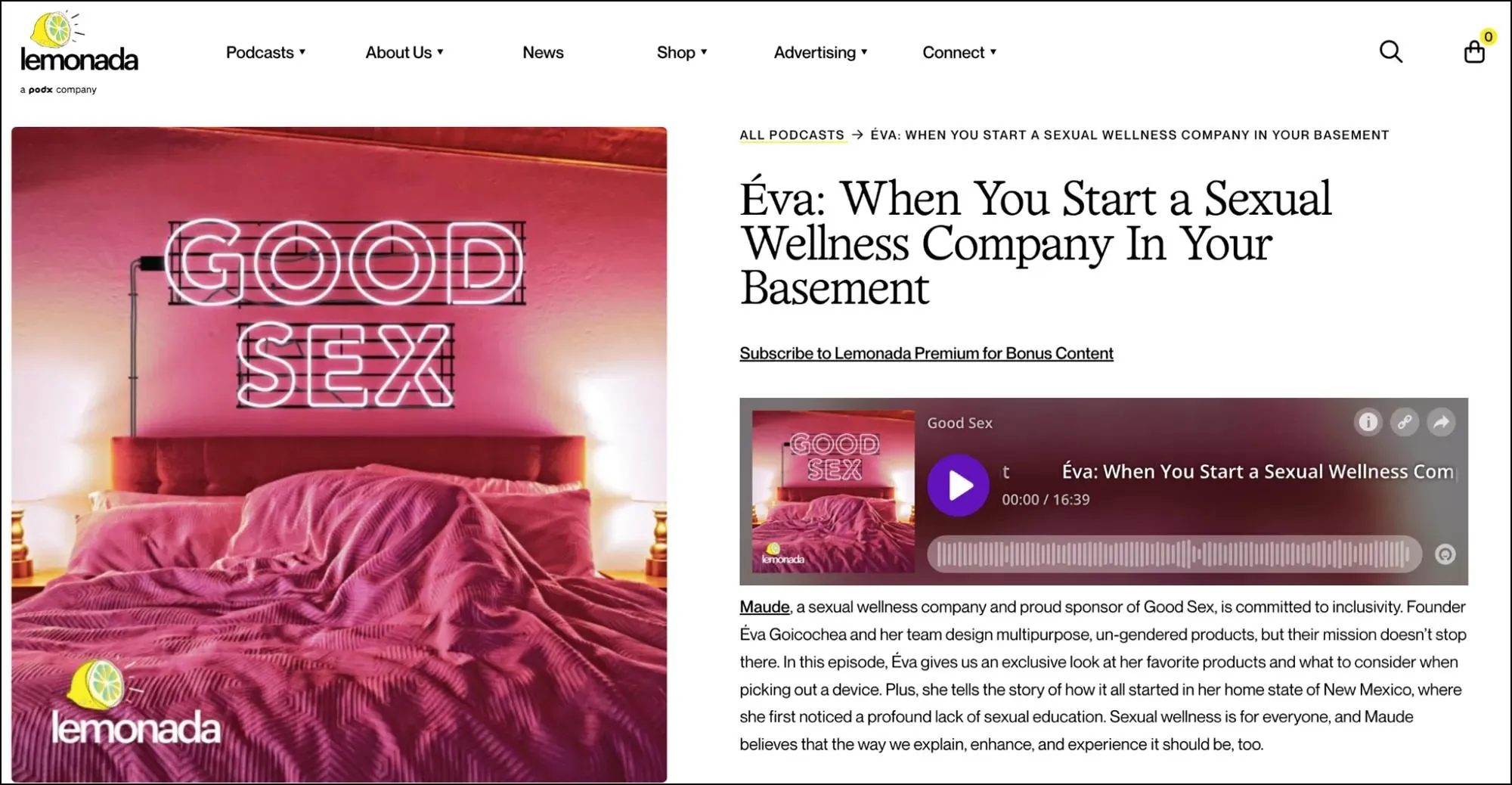
Maude leaned heavily into podcast placements, both as a sponsor and through founder appearances. Instead of fighting for social ads, the brand entered long-form conversations on wellness and entrepreneurship podcasts, where nuanced discussions about intimacy are actually allowed.
One example includes sponsorship and exposure through Lemonada Media’s “Good Sex,” plus founder interviews on retail and business podcasts.
Why does this matter? Podcast listeners trust hosts deeply. A single endorsement in a 45-minute episode can outperform dozens of display ads.
This is how you build authority in environments that reward depth instead of censorship.
Strategy 5: Strategic Partnerships & Co-Marketing
This is my secret weapon for clients who struggle with direct coverage. Partner with complementary brands or organizations that have better media access, then leverage their credibility. The partnership adds legitimacy and opens doors that would otherwise stay closed.
By aligning with complementary brands or organizations that have better media access, you leverage their credibility to reach audiences that would otherwise ignore adult brands.
Strategies that work:
- Sexual health organizations and nonprofits: Organizations focused on STI prevention, reproductive health, or LGBTQ+ advocacy often need data and resources. Co-branded research lends legitimacy while supporting important causes.
- University researchers: Academic institutions studying sexuality or relationships need funding and data. Partnerships with respected researchers add scientific credibility.
- Wellness brands expanding into intimacy: Mainstream wellness companies increasingly recognize sexual wellness as part of holistic health. These partnerships introduce your brand to audiences that trust the mainstream partner.
- Certified sex educators and therapists: Professionals building their brands need partners who provide resources, research, or products their clients need. You gain expert endorsement; they gain valuable resources.
- Event collaborations: Sponsor or co-host industry conferences, Pride celebrations, or wellness festivals. Physical presence at respected events builds legitimacy digital-only brands can't achieve.
Strategic Partnership Example:
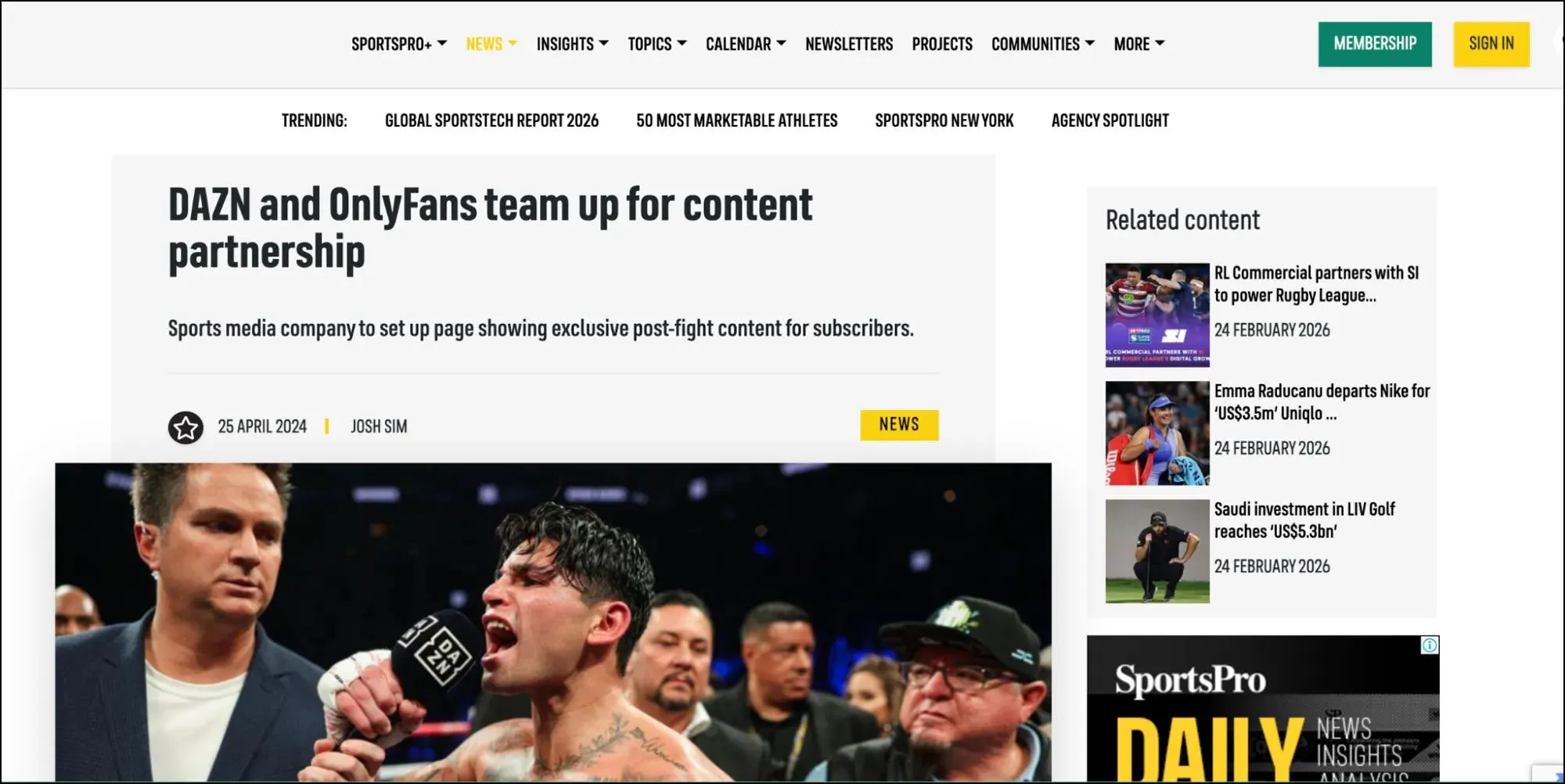
OnlyFans partnered with DAZN around boxing content, combining sponsorship visibility with exclusive content access. This wasn’t a typical adult-industry collaboration. It was a strategic alignment with a mainstream sports platform.
The result was broader sports industry press coverage, exposure to entirely new demographics, and recurring mentions tied to fight events.
This is the power of strategic partnerships: borrow credibility from brands that already have mainstream acceptance. The right partner can open media doors you could never access alone.
Strategy 6: Crisis Management & Reputation Defense
Let me be blunt: in the adult industry, a reputation crisis can go from whisper to wildfire in hours.
One viral complaint. One employee allegation. One platform ban. Any of these can threaten years of brand building.
The difference between brands that survive and those that don't? Preparation. The time to build your crisis infrastructure is BEFORE something goes wrong.
Strategies that work:
- 24/7 brand monitoring: Use Brand24, Mention, or Google Alerts to track every mention of your brand. Early detection prevents small issues from becoming defining narratives.
- Crisis playbooks by scenario: Document response protocols for predictable crises: data breaches, content controversies, employee issues, platform bans, negative press. Include decision trees and pre-approved messaging.
- Evidence capture systems: When crisis hits, capture screenshots with timestamps. Archive pages. Track edits. Content disappears and narratives shift, you need proof of what was said and when.
- Designated crisis team and spokesperson: Identify who speaks for the brand during crises. Multiple voices create confusion.
- Stakeholder communication protocols: Pre-build lists for internal teams, partners, press contacts, key customers. Know who needs to hear what, when, and through which channels.
- Transparent, timely response: Silence kills. Acknowledge issues quickly, commit to transparency, provide regular updates. Honesty earns more goodwill than defensive spinning.
- Post-crisis analysis: After every incident, conduct a formal retrospective. Update playbooks based on real experience.
Crisis Management Example:
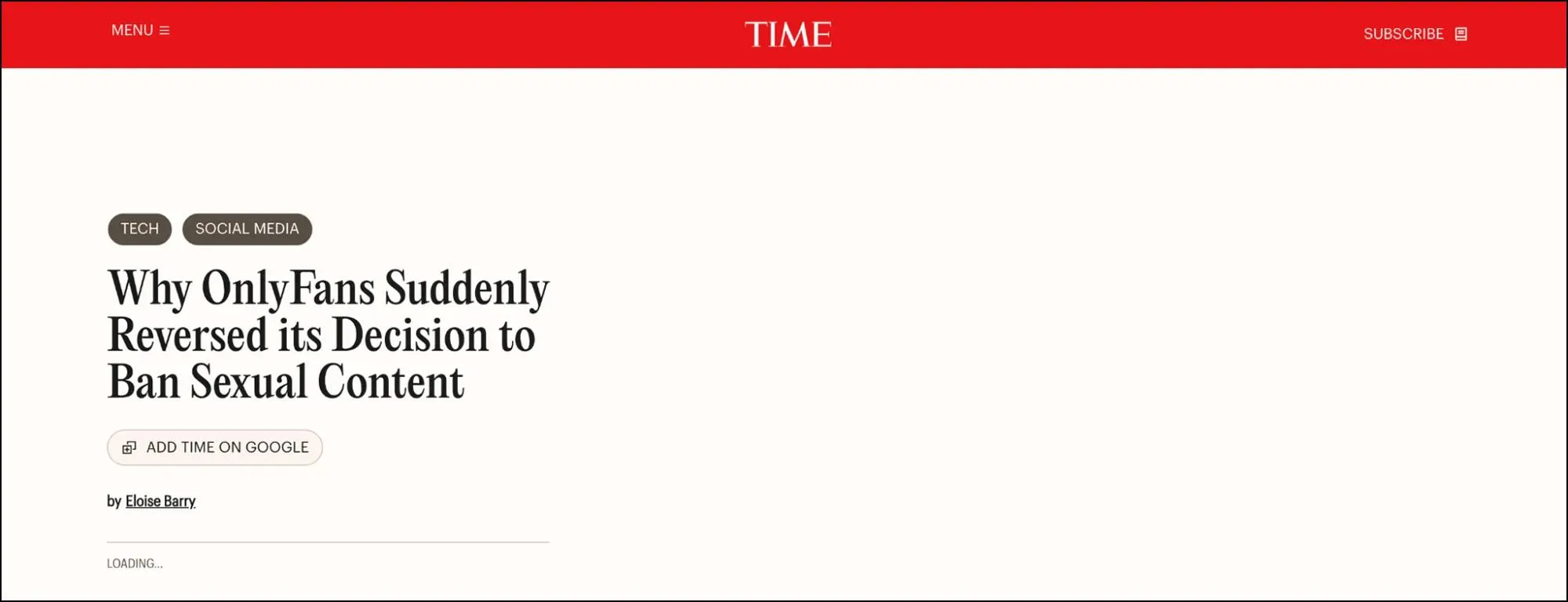
In 2021, OnlyFans announced it would ban sexually explicit content due to payment processor pressure. The backlash was immediate. Creators revolted. Media coverage exploded. The platform’s core identity was suddenly at risk.
Within days, OnlyFans reversed the decision publicly after securing assurances from financial partners.
Here’s the real lesson: crisis response speed matters more than perfection. A delayed response could have permanently damaged the platform. Instead, decisive communication prevented long-term collapse.
In restricted industries, you don’t get slow-burning crises. You get firestorms. Preparation determines survival.
Real Digital PR Case Studies in Adult Niches that Worked
I’ve tested a wide range of Digital PR campaigns tailored specifically for adult‑focused brands. Here are some of the standout campaigns we ran at Loopex with the results each one generated:
Celebrities with OnlyFans Side Hustles
Campaign Type: Original Research
We noticed that celebrities were starting to use OnlyFans as a way to make extra cash. While OnlyFans was growing in popularity, there wasn’t much detailed information about how celebrities were doing on the platform.
So, we decided to dig deeper and create a campaign that combined two hot topics: celebrities and their earnings on OnlyFans. Our goal was to provide the media with fresh insights and data, making it easier for journalists to cover this growing trend.
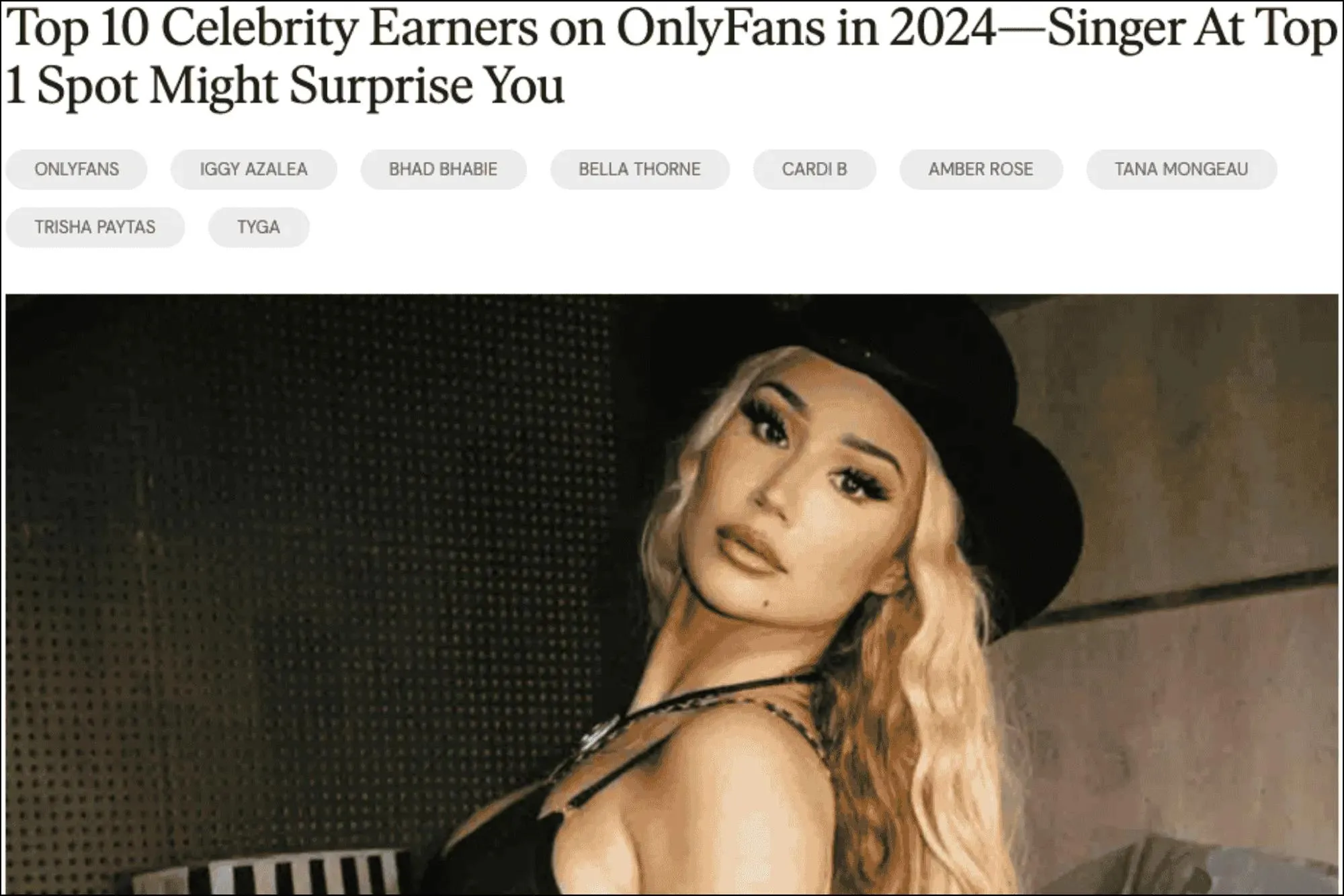
Results: 11+ backlinks from high authority websites, including IB Times and INKL.
Top Trending Questions About Sex
Campaign Type: Expert Commentary
We wanted to uncover the questions that people are curious about but too embarrassed to ask out loud. So we discovered the most frequently asked sex-related questions, our experts then answered them.

Results: Significant media interest; more than 8 links, including Medium, Somerset Live and Askmen.
Top Nudist Beaches
Campaign Type: Original Research
As summer hit its peak, most travel media outlets were publishing the same old “Best Beaches” lists, but we noticed a gap: there was very little coverage of nudist beaches, even though people were searching for them. We saw this as a unique opportunity to provide something fresh and valuable for travelers.
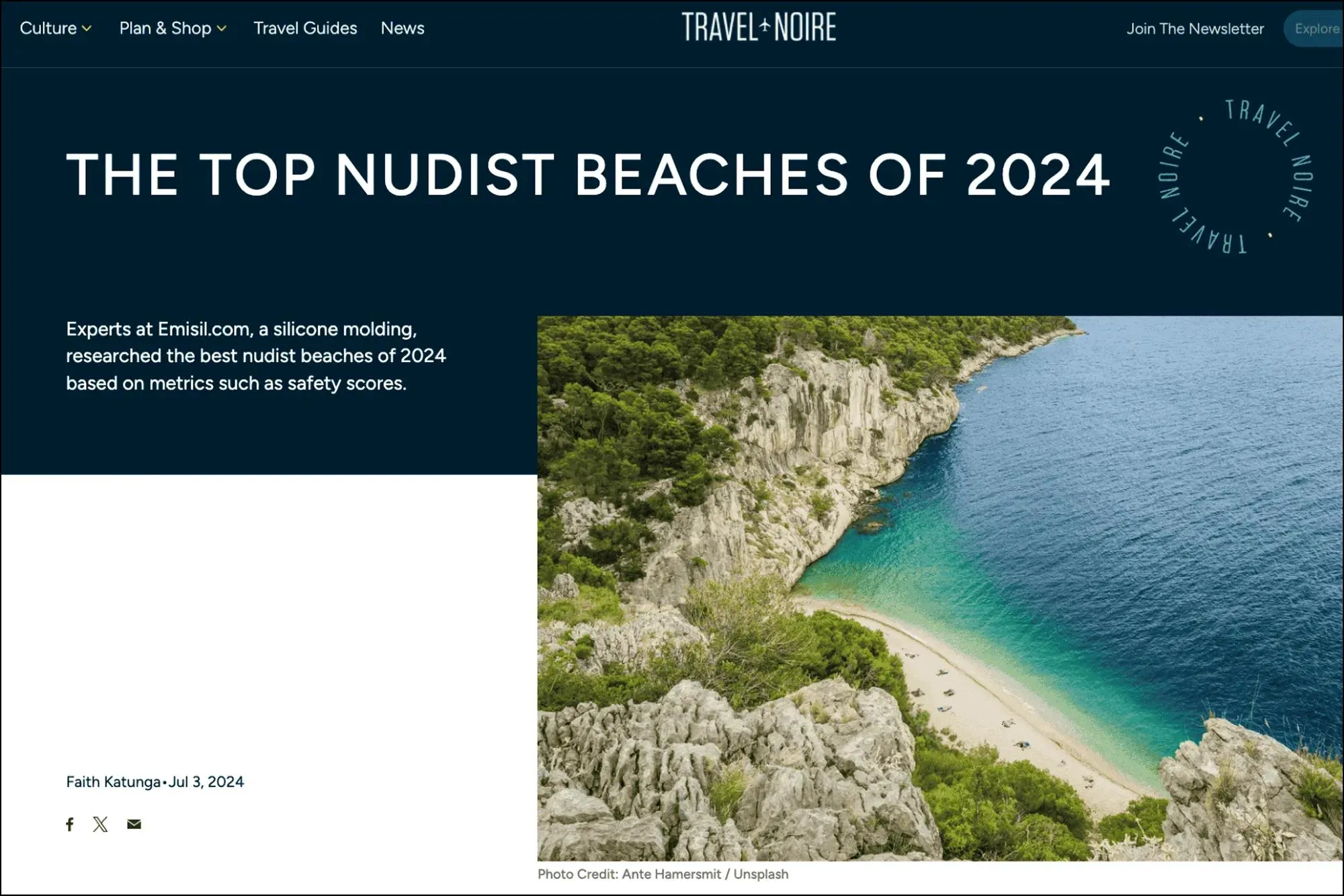
Results: Coverage across 32+ media outlets, including Travel Noire, Travel Weekly, Travel Pulse, and Nine.com.au.
Top LGBTQ+ Party Destinations
Campaign Type: Data-Driven Research
As the conversation around LGBTQ+ inclusivity and safety grew louder, we saw an opportunity to provide something truly unique: a guide to the best party destinations for the LGBTQ+ community.
Rather than covering the usual topics, we focused on a data-driven approach that gave travelers a clear and reliable picture of the most inclusive cities for LGBTQ+ nightlife. Our goal was to uncover key differences between party destinations and share those insights with both the media and the LGBTQ+ community.
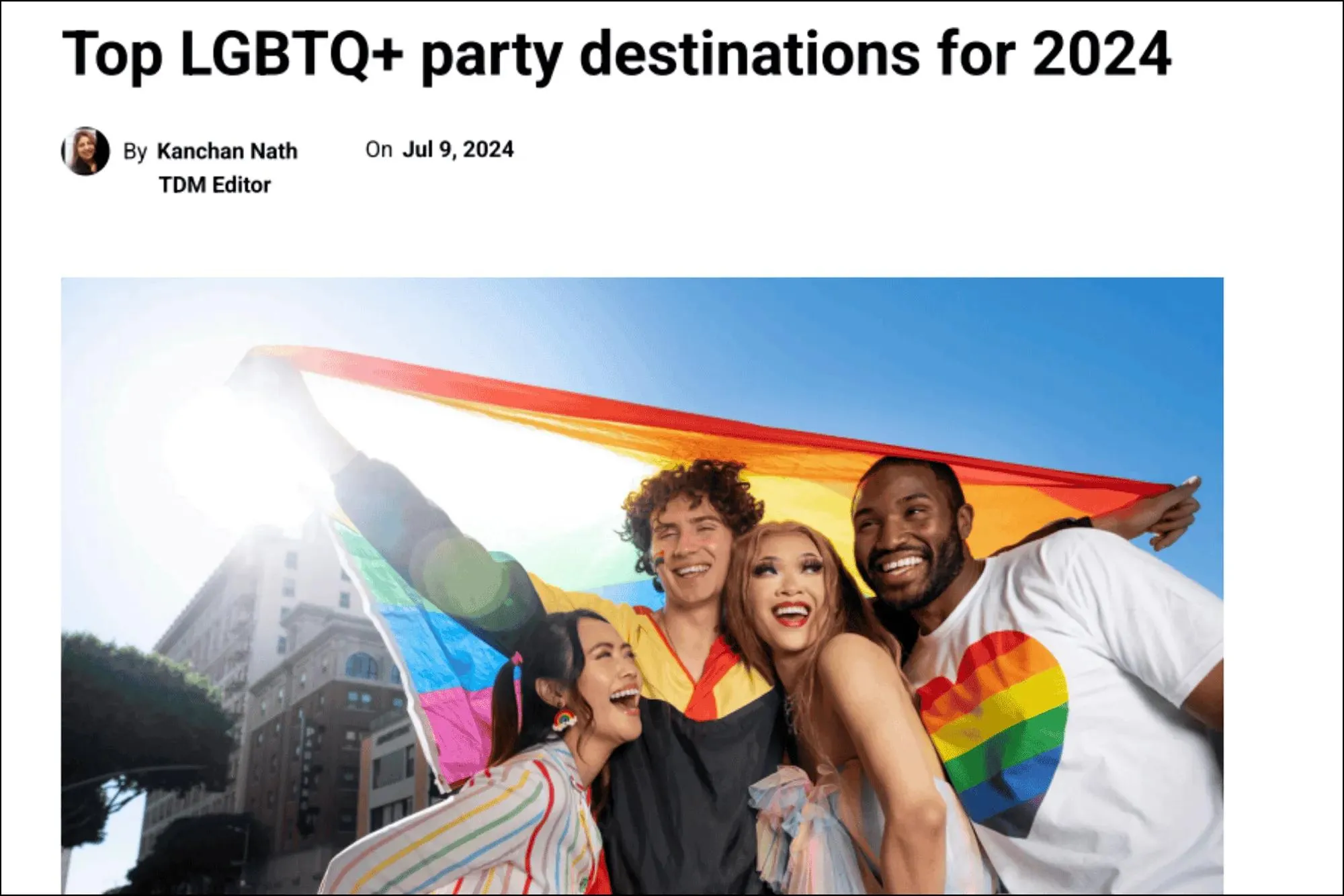
Results: Over 10 media outlets' coverage, including reputable sources like MSN, Yahoo Lifestyle, and Travel Noire.
Top 10 Sex Positions That Burn the Most Calories
Campaign Type: Original Research
We identified a unique opportunity to bring fitness and intimacy together in a way that hadn’t been done before. While there were plenty of fitness guides out there, no one had tackled the topic of how much calories people actually burn during sex.
By combining these two high-interest topics, we were able to create a fun, yet data-driven campaign that offered a fresh perspective on calorie burning. Our goal was to spark conversation while providing solid, science-backed information that people could actually use.
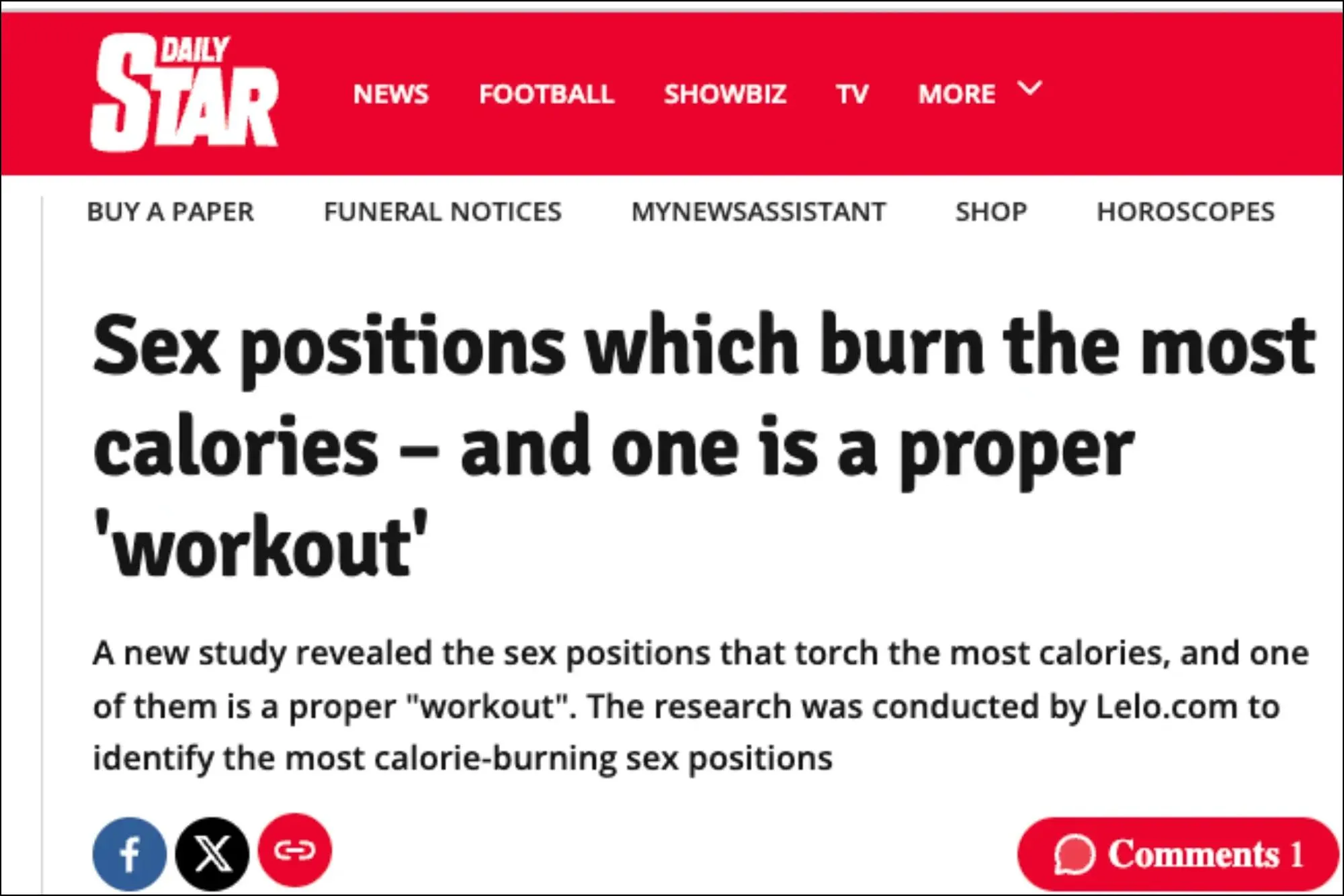
Results: 27+ media mentions, including New York Post, Daily Star and Herald Sun.
Digital PR Strategies by Business Model
Not all adult businesses are created equal, and understanding the unique challenges of each sector is key to crafting a successful digital PR strategy. A luxury sex toy shop, for example, has different brand goals, audience expectations, and compliance concerns compared to a tube site or a dating platform.
Here’s how you can adjust your approach for different adult business models:
Online Sex Shops & E-Commerce
Best opportunities: Product reviews, sexual wellness education, partnerships with sex educators, influencer unboxing content, gift guides, product safety research.
Priority tactics:
- Partner with sex-positive influencers on YouTube, Instagram, TikTok for product education (not explicit promotion)
- Create comprehensive buying guides that rank for informational keywords
- Publish original research on sexual wellness trends, product preferences, relationship satisfaction
- Build ambassador programs with certified sex educators who can credibly recommend products
- Focus on quality, safety, and body-positive messaging in all communications
Tube Sites & Video Platforms
Best opportunities: Platform safety initiatives, creator economy trends, content moderation policies, industry transparency reports, advocacy partnerships.
Priority tactics:
- Position leadership as thought leaders on platform governance, content verification, creator protection
- Publish transparency reports on content moderation, age verification, platform safety measures
- Partner with digital rights organizations and sex worker advocacy groups on platform policy
- Contribute expert commentary on legislation affecting adult platforms (Section 230, age verification laws)
- Focus reputation management on distinguishing your platform from less ethical competitors
Online Dating & Relationship Platforms
Best opportunities: Dating behavior research, relationship trends, algorithm transparency, success stories, safety features, demographic insights.
Priority tactics:
- Conduct quarterly surveys on dating behaviors, app fatigue, relationship formation trends
- Partner with relationship experts, therapists, sociologists for credible commentary
- Create newsworthy campaigns around Valentine's Day, cuffing season, other dating moments
- Publish user success stories (with permission) that humanize online dating
- Lead conversations on online safety, catfishing prevention, healthy digital relationships
Creator Platforms (OnlyFans-Style)
Best opportunities: Creator economy insights, earnings transparency, financial empowerment stories, platform safety features, creator education resources.
Priority tactics:
- Publish creator earnings data and economic opportunity research (anonymized and aggregated)
- Position platform as financial empowerment tool, not just adult content platform
- Create educational resources and workshops for creators on business management, taxes, safety
- Partner with sex worker rights organizations and advocate for creator protections
- Highlight success stories of creators who've built sustainable businesses
Digital PR Mistakes That Can Destroy Your Adult Website
I've seen these mistakes cost clients tens of thousands of dollars and years of progress. Let me walk you through what to avoid and what happens when you don't:
Mistake #1: Buying links from adult link networks
Adult link networks are well-known to Google's spam team. Using them often results in manual actions, which means a human reviewer at Google has flagged your site for violating guidelines. Recovery takes months and sometimes years.
Mistake #2: Targeting publications that never link to adult content
Some outlets have blanket policies against adult links. No amount of clever pitching will change their editorial guidelines. Research before you pitch to avoid wasted effort and burned relationships.
Mistake #3: Using explicit language or imagery in outreach
Journalists will ignore or block pitches that contain NSFW (Not Safe For Work) content. Keep all outreach professional and brand-safe. Save the explicit material for your actual site.
Mistake #4: Ignoring brand safety in campaign concepts
Even clever campaigns fail if the concept is too risky for mainstream editors. Test concepts with people outside the industry first. If they're uncomfortable sharing it, editors will be too.
Mistake #5: Over-persistence in outreach
The adult industry is small. Journalists who cover sexuality, relationships, and wellness topics form a tight-knit community. Burning bridges with aggressive follow-up tactics can blacklist you permanently.
How to Pitch Journalists When Your Brand Is Adult Content
The pitch has to lead with the story, not the brand. Your adult connection can be secondary or even buried in the email.
Here's what works:
Subject line
Focus on the data or trend, not your brand name.
Good examples:
- "67% of Gen Z singles prefer arranged dates [NEW DATA]"
- "Income & sexual satisfaction study—surprising findings"
- "Dating app algorithm bias: insider perspective"
Bad examples:
- "Partnership opportunity with [Adult Brand]"
- "Check out our new study!"
- "Media inquiry regarding our research"
Email Body Structure
- Paragraph 1: The hook (2-3 sentences). Lead with your most compelling finding or angle. Make it immediately clear why their readers would care.
- Paragraph 2: What you're offering (2-3 sentences)
- Paragraph 3: Quick credibility statement (1-2 sentences)
- Closing (1 sentence)
Pitch Example
Here's a real pitch that can secure 5 pieces of coverage:
Subject: Dating app fatigue hits record high—43% now prefer IRL meetings
Hi Alex,
New research surveying 2,800 active dating app users found that 43% now say they'd prefer to meet potential partners in person rather than through apps—up from just 19% in a similar 2021 study.
Most surprisingly: this "dating app fatigue" is highest among Gen Z users (52%), the demographic that grew up with these platforms as the default option.
I noticed your recent piece on changing dating behaviors post-pandemic and thought this data might offer a valuable follow-up angle for your readers.
I'm sharing the complete findings, including breakdowns by age, region, and gender, along with high-resolution graphics. The data is available for your audience with full permission.
Research methodology: nationally representative U.S. sample (n=2,800) conducted through Google Surveys, February 2024. Full details at [research URL].
Let me know if additional context or expert commentary would be helpful!
Best,
Name Surname
Research Analyst
[Contact info]
KPIs That Actually Matter in Adult Niche Websites
Most adult site owners track the wrong metrics. Let me show you what to measure and why:
Domain Rating
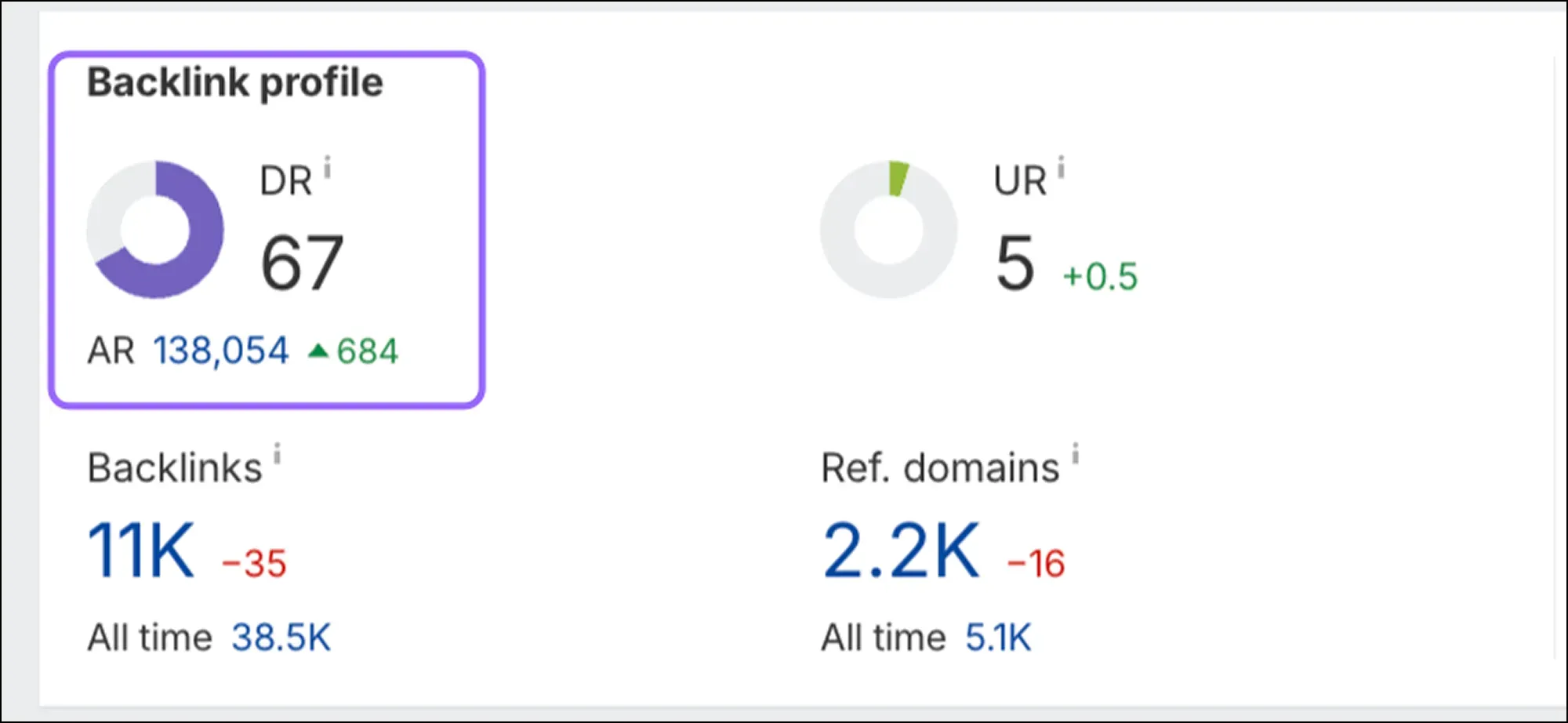
Domain Rating (DR) from Ahrefs is a third-party metric. It indicates the strength of a website’s backlink profile on a scale of 0 to 100. That is, it gives an indication of how likely a site is to rank in search engine results based on the quality and quantity of its backlinks.
While DR is important for SEO, it shouldn’t be the sole focus for measuring success. Don't obsess over these scores. I've seen DR 45 adult sites outrank DR 65 adult sites because of better content and user experience. DR is one factor among many.
Ranking Improvements for Money Keywords
This is where PR pays off most directly. Links from authoritative sources improve your rankings for keywords that drive revenue.
Define your money keywords: These are the high-intent keywords that drive conversions:
- Product category keywords ("adult toys," "intimacy products")
- Problem-solving keywords ("how to improve intimacy," "relationship advice")
- Comparison keywords ("best adult dating sites," "top wellness products")
Monitor these target keywords weekly to check the position movements.

Brand Mention Growth
Even unlinked brand mentions have value. They indicate growing brand awareness and can correlate with "brand authority" signals Google evaluates. What to track:
Mention volume:
- Total brand mentions monthly (linked and unlinked)
- Trending up or down
- Context of mentions (positive, neutral, negative)
Mention quality:
- Domain authority of sites mentioning you
- Relevance of content where you're mentioned
- Prominence of mention (headline vs. passing reference)
Share of voice:
- Your brand mentions vs. competitors
- Percentage of category conversations mentioning your brand
Tools I use:
- Google Alerts
- Brand24
- Mention
- Ahrefs Content Explorer
Long-Term Authority Building Metrics
PR is an investment that compounds over time. Track these long-term indicators:
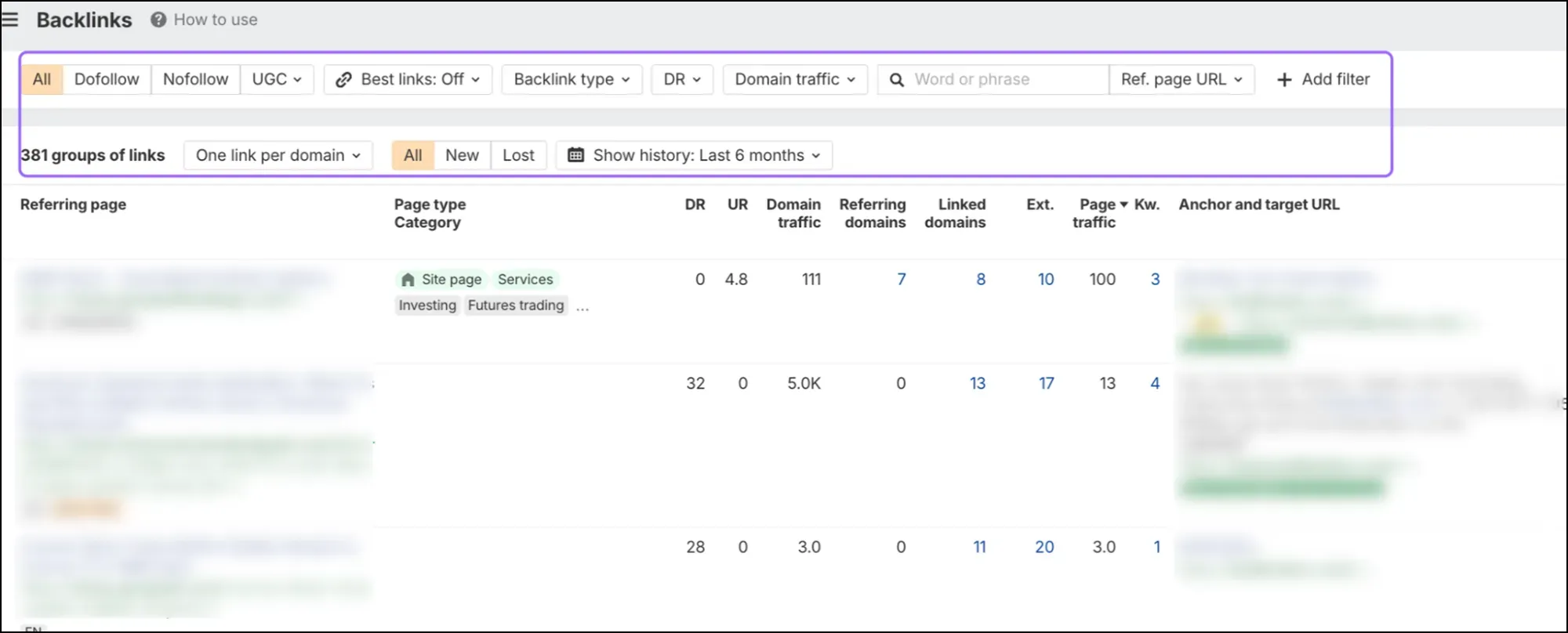
Link profile growth:
- Total referring domains (month over month)
- Percentage of high-quality links (DR 60+)
- Link velocity (new links per month)
- Lost links (ideally under 5% monthly)
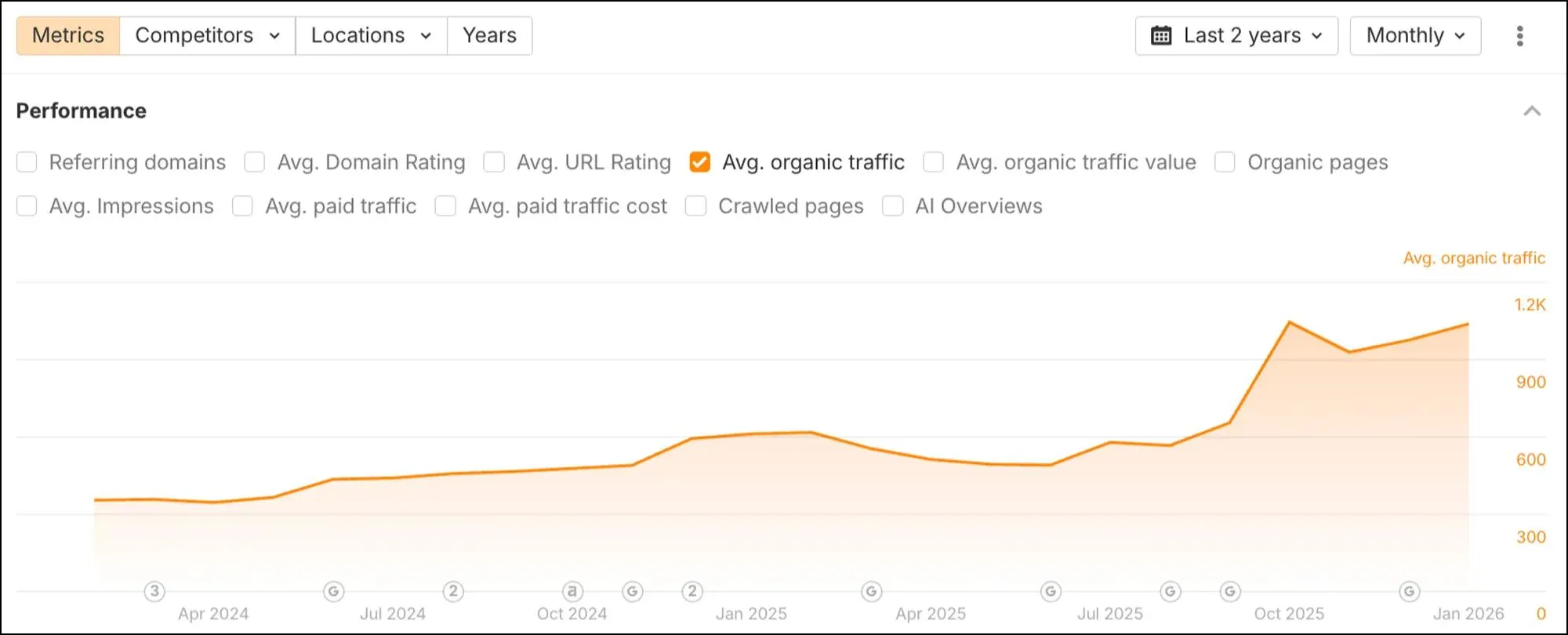
Organic growth trajectories:
- Organic traffic trend (12-month view)
- Year-over-year organic traffic growth
- Organic revenue growth
- Customer acquisition cost from organic (should decrease over time)
Content performance:
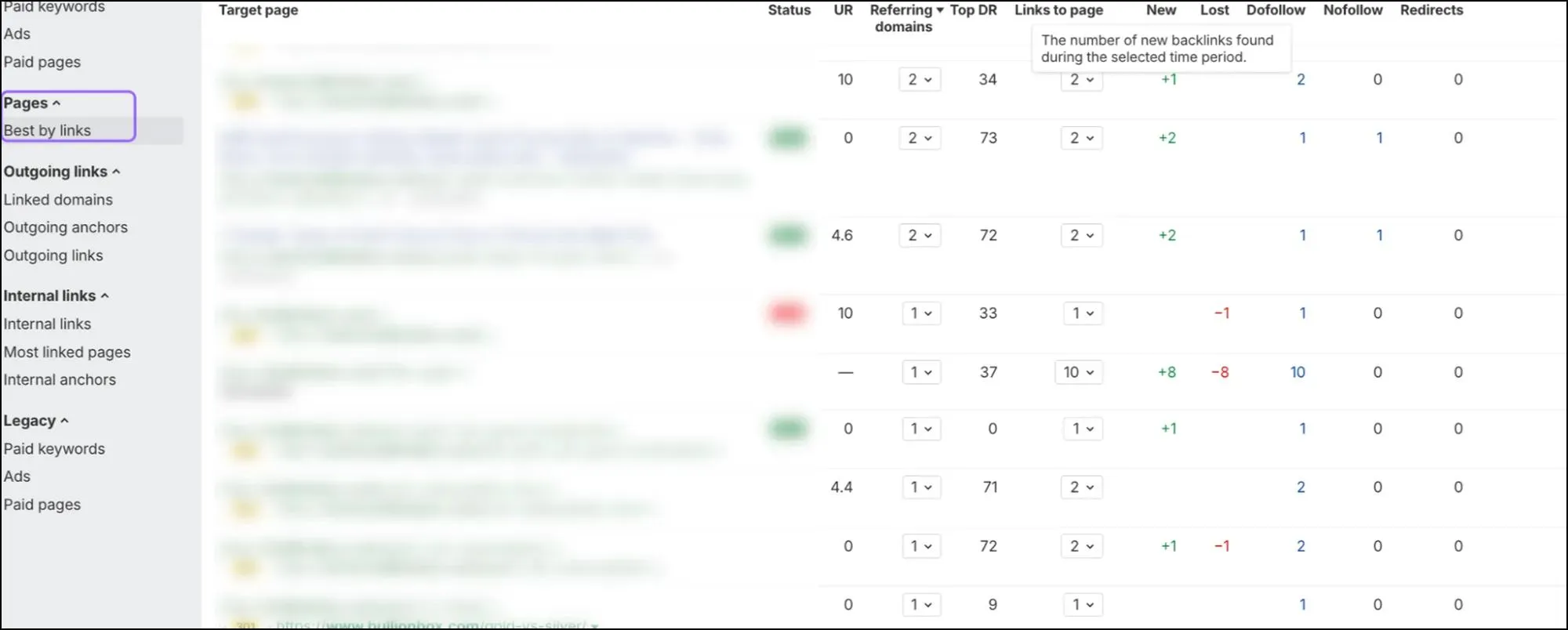
- Research pages earning ongoing links (passive link acquisition)
- Research cited in other studies/publications
- Research pages ranking for informational keywords
Competitive positioning:
- Your DR vs. top 3 competitors
- Share of voice in your category
- Keyword overlap with major competitors
Industry recognition:
- Speaking invitations
- Partnership requests from mainstream brands
- Journalist requests for expertise
- Academic citations of your research
How to Build Lasting Authority in Digital Marketing for Adult Websites
Authority in this niche requires patience, creativity, and the right partners. The sites that dominate long-term are the ones building real authority through earned media coverage.
Your next steps: audit your current link profile, identify brand-safe angles in your data, and start building relationships with journalists who cover lifestyle and relationships. The opportunity is real for adult brands willing to do the work.
Submit the form - Get Free Proposal
%202.png)
24 hours
Submit the form - Get Free Proposal
24 hours