20 Digital PR Examples That Earned 1,000+ Backlinks (And How They Did It)

Have you seen those campaigns that seem to appear everywhere overnight? A quirky calculator goes viral, and a data study gets picked up by Forbes. That's digital PR working exactly as it should.
I've run digital PR campaigns for clients across dozens of industries, and the pattern is always the same: the campaigns that earn the most links aren't the ones with the biggest budgets. They're the ones with the smartest angles. The good news? Those angles are repeatable once you know what to look for.
This guide breaks down 20 real digital PR examples that earned serious coverage, organized by format so you can find what fits your brand. I’ll cover what made each one work and how you can apply the same thinking to your next campaign!
What Is Digital PR?
Digital PR is the practice of promoting a brand online by creating stories, data, or ideas that journalists and websites want to cover, which leads to media mentions, links, and visibility. Instead of cold emailing journalists, asking them to link to your "comprehensive guide", you create something genuinely newsworthy.
Content is the engine, not the pitch. I've seen teams spend weeks crafting perfect outreach emails for mediocre content. That should be done backwards. Build something a journalist can actually use to make their article better, and the pitch practically writes itself.
Types of Digital PR Campaigns That Actually Work
Before we dive into specific examples, it’s important to note that digital PR campaigns can fall into different categories. Here are the main ones:
| Campaign Type | Best For | Typical Timeline | Outreach Angle |
|---|---|---|---|
| Data Studies | Applicable for all brands | 4–8 weeks | Top publications that write about this theme or have dedicated sections for it |
| Newsjacking | Brands with fast approval processes | 4–6 weeks | Applicable for all brands |
| Surveys | Any brand wanting consumer insights | 4–6 weeks | General interest and vertical publications |
| Interactive Tools | Consumer brands, finance, travel | 6–12 weeks | Lifestyle writers, niche bloggers |
| Regional PR Campaigns | Real estate, travel, lifestyle brands | 3–6 weeks | Local news outlets in each featured city |
| UGC | Consumer brands with engaged audiences | 4–8 weeks | Social media reporters, lifestyle outlets |
If you want to learn how each of these types works in more detail, read our comprehensive guide on Digital PR.
Below are 20 digital PR examples that earned serious coverage. I've organized them by framework so you can jump to whatever matches your situation:
Data-Driven PR Campaigns
Data-driven campaigns are built on original research and data analysis:
1. Countries That Are AI Superpowers
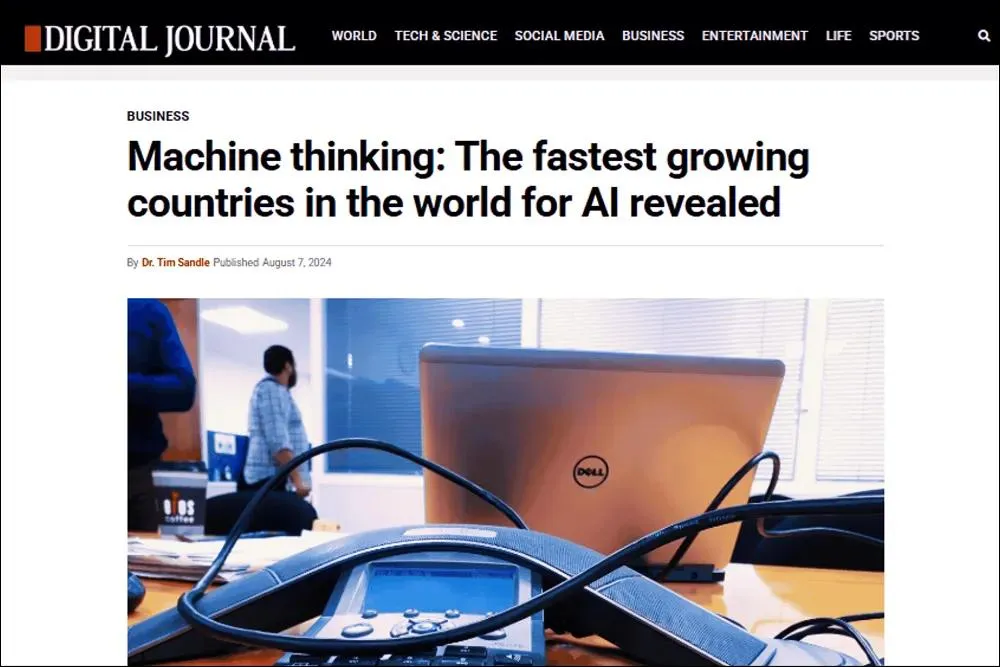
This Digital PR campaign was built around a data-driven global ranking of AI competitiveness. We analyzed which countries dominate artificial intelligence through metrics like AI research output, patent filings, venture capital investment, and tech talent concentration.
The idea was simple but powerful: instead of just saying “AI matters,” we mapped out which countries are actually leading the global AI race and why. That made the study much more than a list.
Why it worked: The timing made this powerful: AI was shifting from buzzword to business reality, and companies needed to understand the competitive landscape. We provided hard data showing where AI innovation actually happens versus where people assume it happens.
Because the findings were framed as a global comparison, outlets from different regions could localize the narrative (“Here’s where our country ranks”), which made it inherently more usable for media around the world.
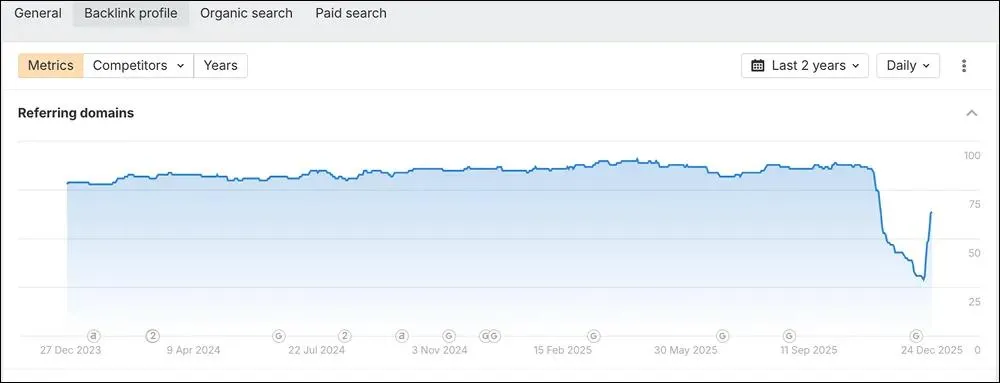
The results: The campaign earned coverage from 75+ domains, including Digital Journal and Enterprise Times. The data became a reference point for articles about international tech leadership.
2. Countries With the Worst Sleep Habits
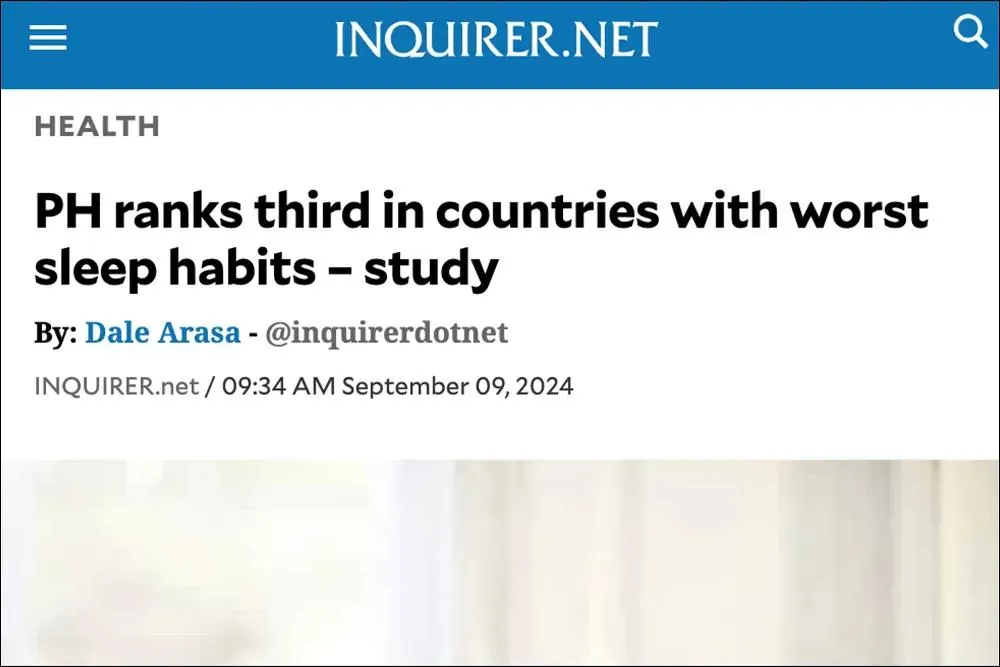
We analyzed sleep data across countries (average sleep duration, sleep quality indicators, bedtime routines, and factors affecting rest). Instead of treating sleep as a purely medical topic, the study framed it as a cultural and behavioral issue.
The result was a clear, easy-to-interpret dataset that revealed some genuinely unexpected patterns about how the world sleeps.
Why it worked: Sleep health was getting serious attention in wellness conversations, but cross-country comparisons were rare. We filled that gap with data that let publications tell culturally specific sleep stories.
The results: The campaign landed 28+ publications across major media outlets, including Inquirer and MSN.
3. HubSpot Marketing Statistics Hub
Instead of a one-off study, HubSpot maintains an evergreen hub of marketing statistics. Email open rates, social media benchmarks, content marketing data - all curated and regularly updated in one place.
From a Digital PR perspective, this is a deliberate long-term play. HubSpot identified a behavior journalists and content creators already had: when you need a quick, you want one trusted page you can come back to again and again.
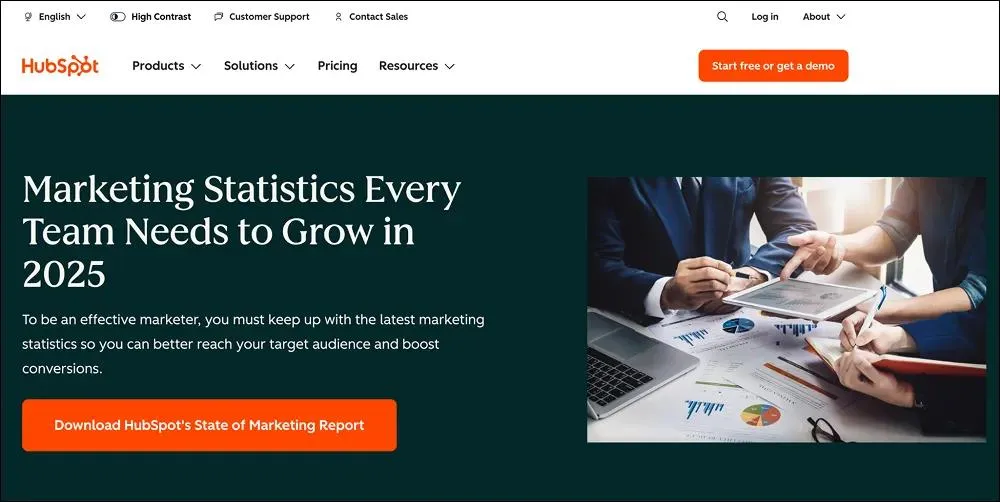
Why it worked: Journalists bookmark it. Content creators reference it. When someone needs a stat about conversion rates, they check HubSpot first. It's passive link generation that compounds over time.
The results: Thousands of backlinks over the resource's lifetime, including highly authoritative industry sites like Inc.com, Entrepreneur, CBS News, Salesforce. Older links stay active while new ones accumulate monthly.
4. The State of Mental Health in America
Mental Health America analyzed mental health statistics across all 50 states. The state-by-state breakdown made national data locally relevant everywhere simultaneously.
That structure completely changed how the data could be used. National outlets like Time and CNN could cite the report to talk about broad mental health trends across the U.S. At the same time, local journalists could pull their own state’s ranking and statistics and turn it into a relevant local story.
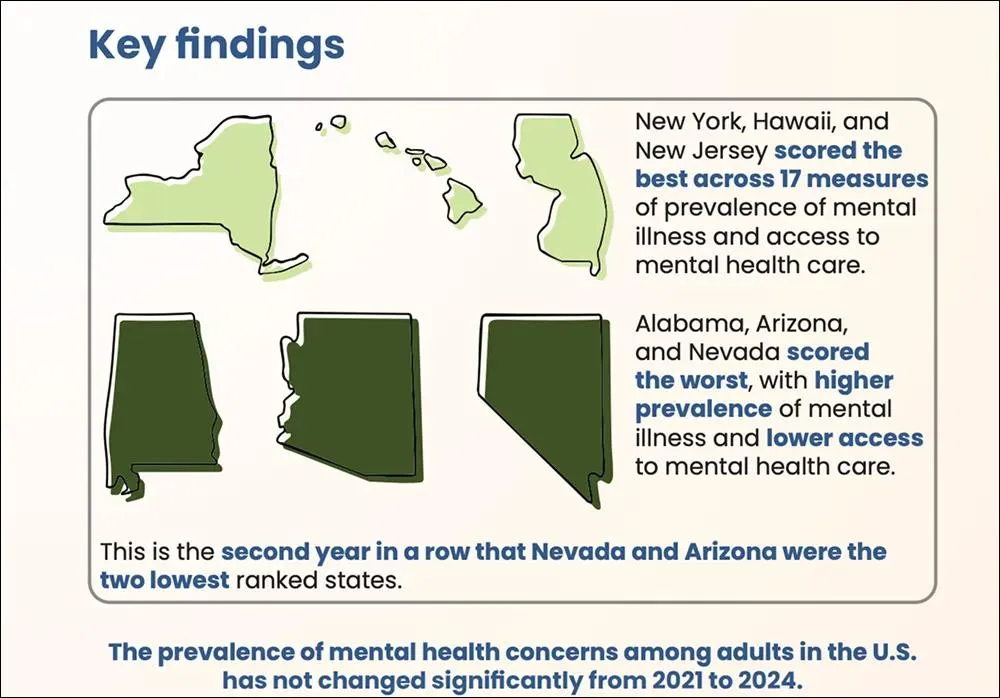
Why it worked: The structure of the data did the outreach work on its own - it could be sited for national stories. But also, 50 state-level news outlets covered their own state's data.
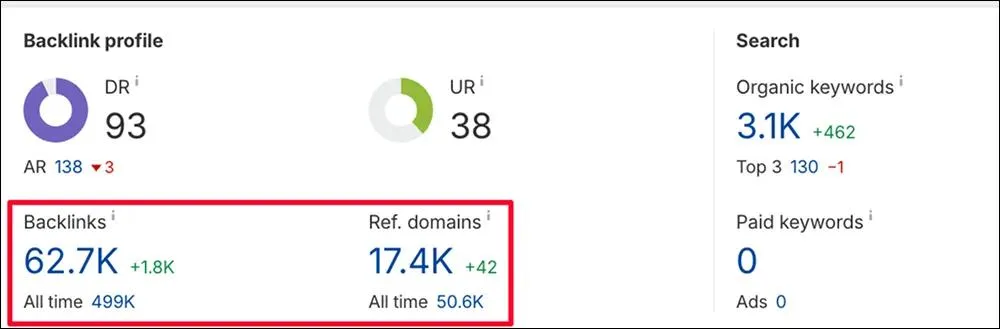
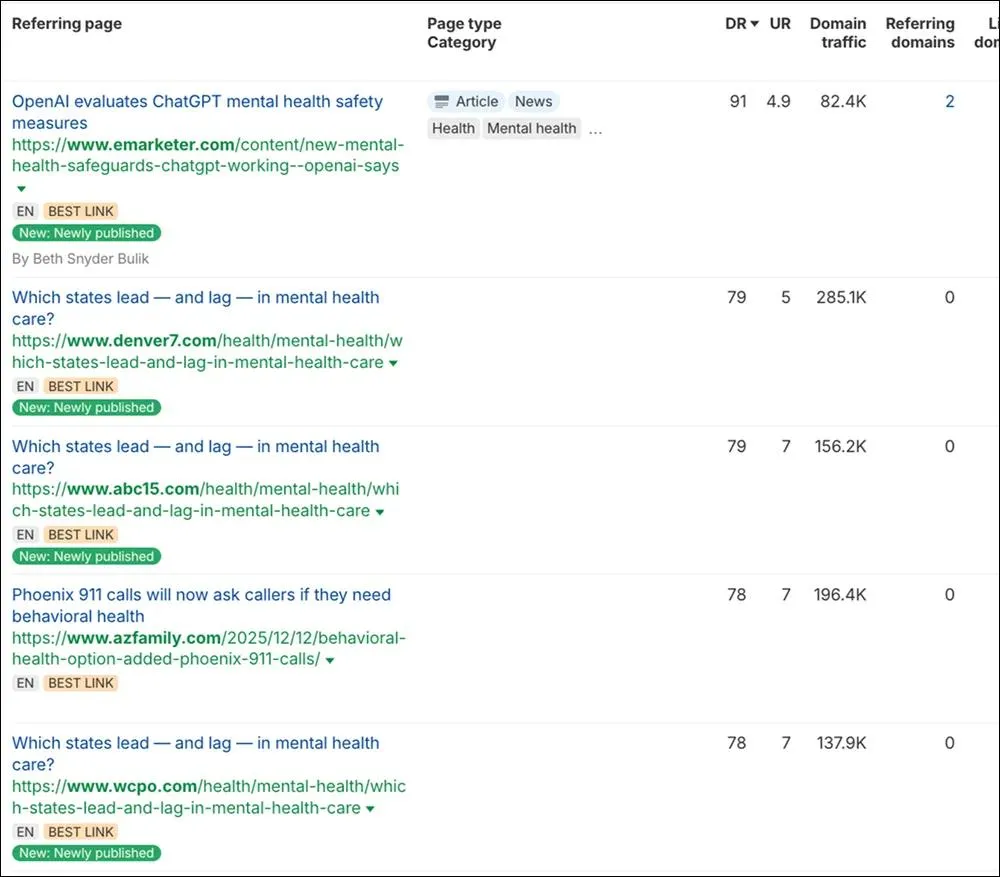
The results: Hundreds of backlinks from national media, state news outlets, healthcare blogs, and policy organizations. Each state's data was a unique pitch angle.
5. McKinsey Women in Healthcare Study
McKinsey published research examining gender dynamics in healthcare leadership. They analyzed representation across organizational levels, identified specific pipeline gaps, and quantified career progression disparities with actual data.
It drew on pipeline data covering multiple healthcare companies and surveys of more than 10,000 employees to show how women are represented at different levels of healthcare leadership.
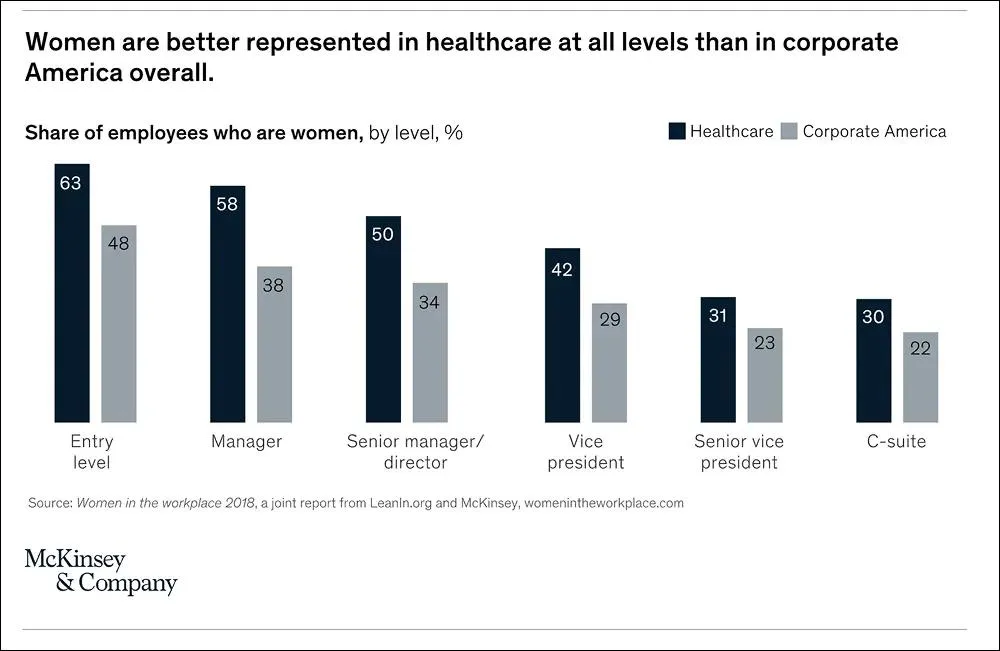
Why it worked: I think what made this campaign stand out was that journalists could finally point to something concrete. Before this, many stories about women in healthcare leadership talked in broad terms or relied on small surveys. McKinsey filled that vacuum with rigorous methodology that publications needed to tell complete stories.
The results: Coverage from healthcare trades, business outlets, and diversity-focused media.
Newsjacking and Current Events Campaigns
These capitalize on trending moments. Speed is everything - you've got 24-72 hours to ride the wave:
6. Wordtips Wordle Wizards Analysis
When Wordle exploded, Wordtips analyzed which U.S. states performed best based on average scores. They tapped directly into peak Wordle mania when everyone was obsessed with daily results.
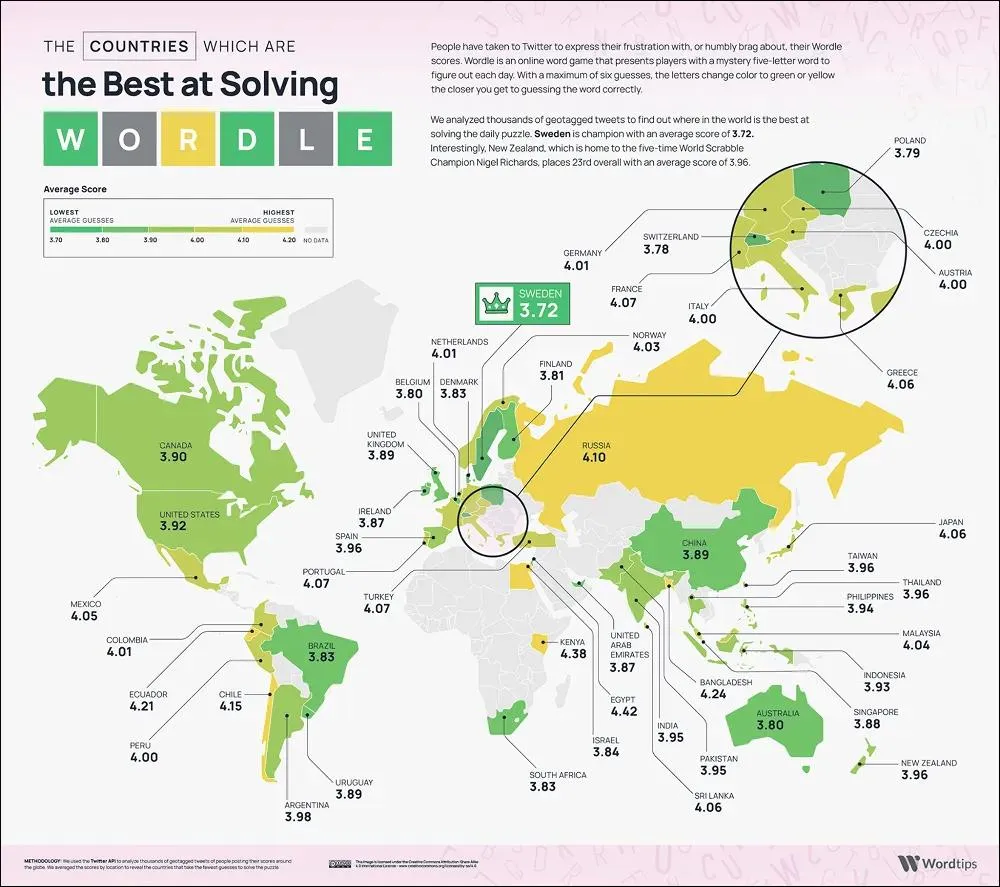
Why it worked: They launched while journalists were actively writing Wordle content and needed fresh angles. Perfect timing turned a simple analysis into widespread coverage.
The results: News outlets, gaming publications, and lifestyle blogs covering the Wordle craze all linked to the data. Maximum visibility during peak interest before the trend cooled.
7. How Much Will Prince Charles’ Coronation Cost Campaign
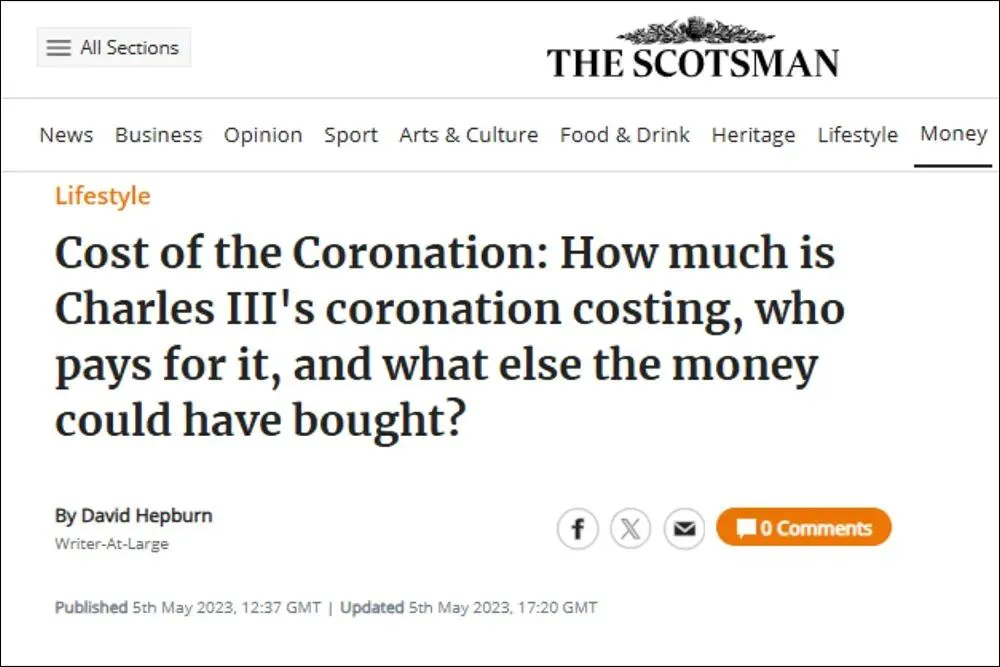
Our newsjacking Digital PR campaign was launched around the coronation of King Charles III, at a moment when global media attention was focused on the event itself. Instead of covering ceremony details or royal symbolism, the campaign tackled the question many people were already asking: How much will the coronation actually cost?
By compiling publicly available estimates, historical comparisons, and known spending categories (security, logistics, events), we shifted a major royal event into a clear financial story.
Why It Worked: The timing was critical. As coronation coverage surged, journalists needed angles that went beyond photo galleries and traditional explainers. Cost, public spending, and economic impact provided exactly that.
This campaign worked because it added context to breaking news, giving reporters numbers and comparisons they could use to discuss value, scale, and public debate
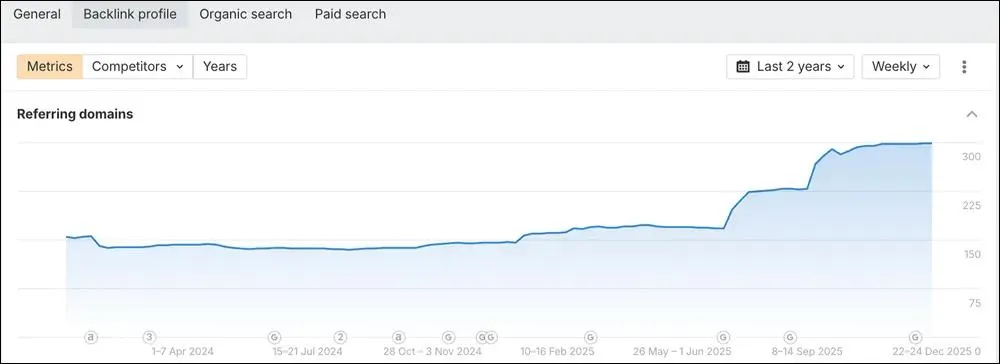
Results: Our study brought us 24 backlinks, including from Metro UK, The Scotsman, and Capital Monitor.
8. RareCarat Celebrity Engagement Ring Values
RareCarat estimates celebrity engagement ring values using gemological expertise and market. Instead of gossip, the coverage focuses on craftsmanship, stone quality, and real-world valuation.
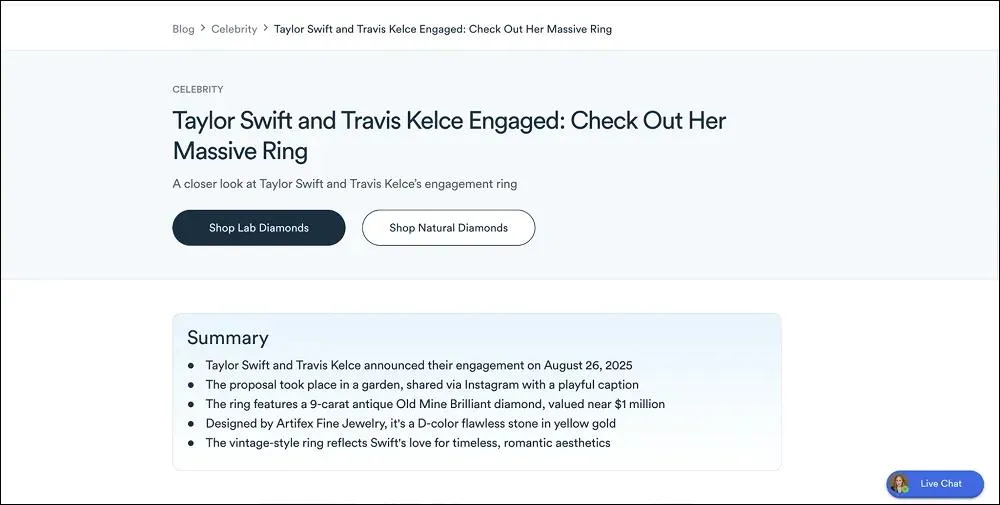
Why it worked: Celebrity engagements keep happening. Each one is a fresh coverage opportunity. You're building a repeating campaign that produces results indefinitely.
Journalists need expert commentary fast, and RareCarat positioned itself as a credible, neutral source that could explain why a ring is valuable, not just how much it might cost. Because the analysis is grounded in expertise rather than speculation, outlets could safely cite it again and again.
The results: 400+ links from entertainment blogs, jewelry publications, and celebrity news outlets. The recurring nature ensures continuous acquisition tied to cultural moments.
Survey-Based PR Marketing Examples
These poll real people to uncover behavioral insights. The human element is what makes them headline-worthy:
9. Zillow Housing Market Predictions Survey
Zillow ongoingly surveys real estate experts, economists, and consumers about housing trends, prices, and economic factors. Instead of reporting only on what’s already happened, Zillow focuses on what’s likely to happen next - future home prices, market competitiveness, mortgage-rate impacts, and broader economic signals.
The survey results are packaged as forward-looking analysis, helping readers understand where the housing market may be heading rather than just where it’s been.
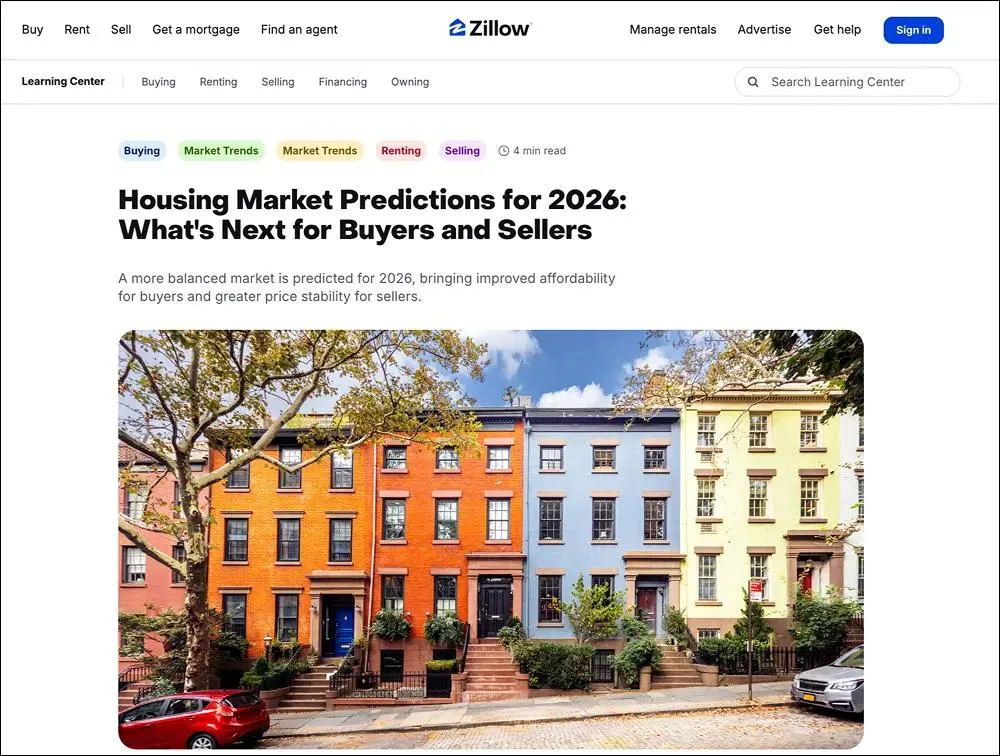
Why it worked: Publications need credible predictions to inform readers making major decisions. Zillow provides quotable expert opinions backed by solid methodology.
The results: Forbes, CNBC, and The New York Times cite the survey when covering housing markets. The predictive angle ensures coverage at release and later when comparing predictions to reality.
10. Casper Sleeping Couples Study
Casper surveyed couples about sleep habits, bedtime routines, and how sleeping together affects relationship quality. They uncovered insights about snoring conflicts, temperature wars, and sleep's impact on satisfaction.
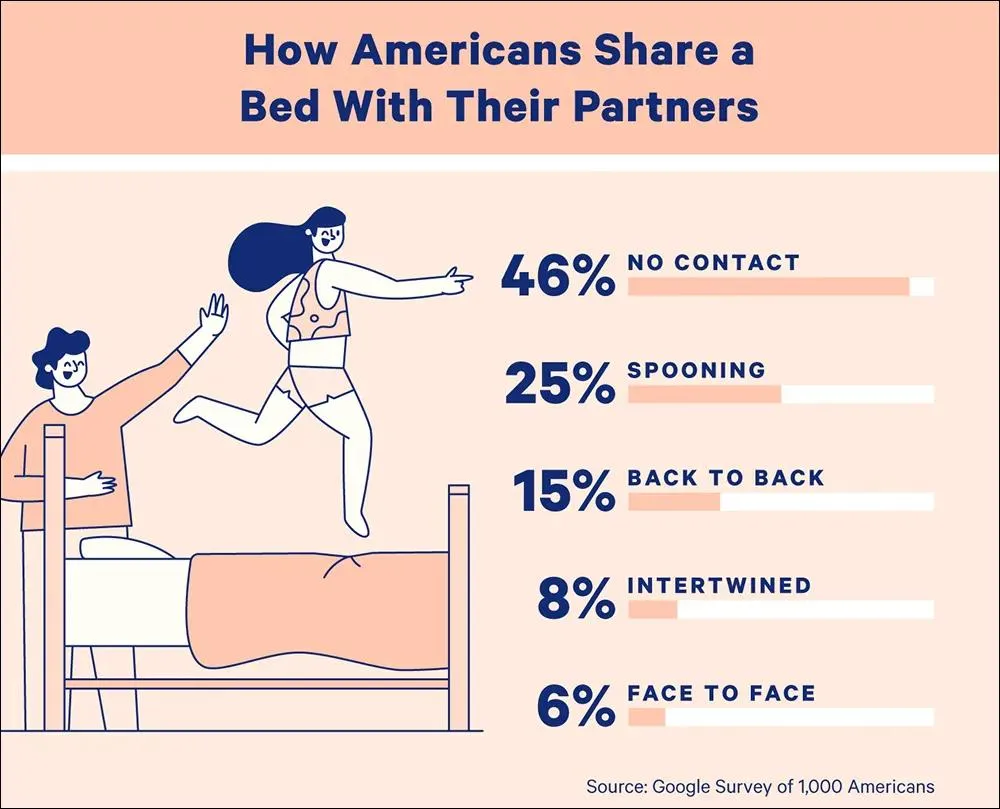
Why it worked: A mattress brand successfully owned a relationship conversation. Sleep is deeply tied to how couples function, yet it’s rarely discussed outside medical or mattress-buying contexts.
By framing sleep as a shared experience, sometimes funny, sometimes frustrating, Casper positioned itself naturally within relationship, lifestyle, and wellness content. The findings were easy for journalists to turn into stories because readers could instantly see themselves in the results.
The results: Coverage from publications like Marriage.com, HealthDigest, plus it ranked top 10 for “couples sleeping positions” keyword.
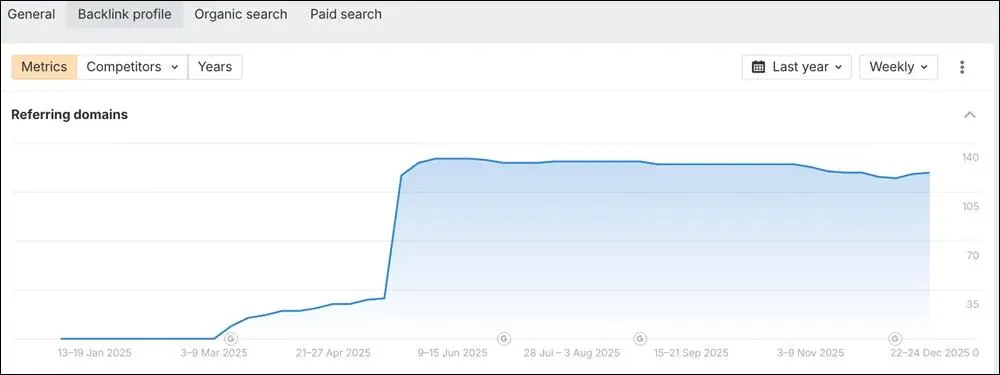
11. Kantar Consumer Sentiment Survey
Kantar regularly surveys consumers about economic outlook, social issues, brand loyalty, and purchasing behavior. Rather than treating sentiment as a one-off snapshot, Kantar runs these surveys on a regular cadence, measuring how attitudes shift over time across regions and markets.
That approach turns individual surveys into a living dataset - one that shows not just what consumers think, but how and when those opinions change.
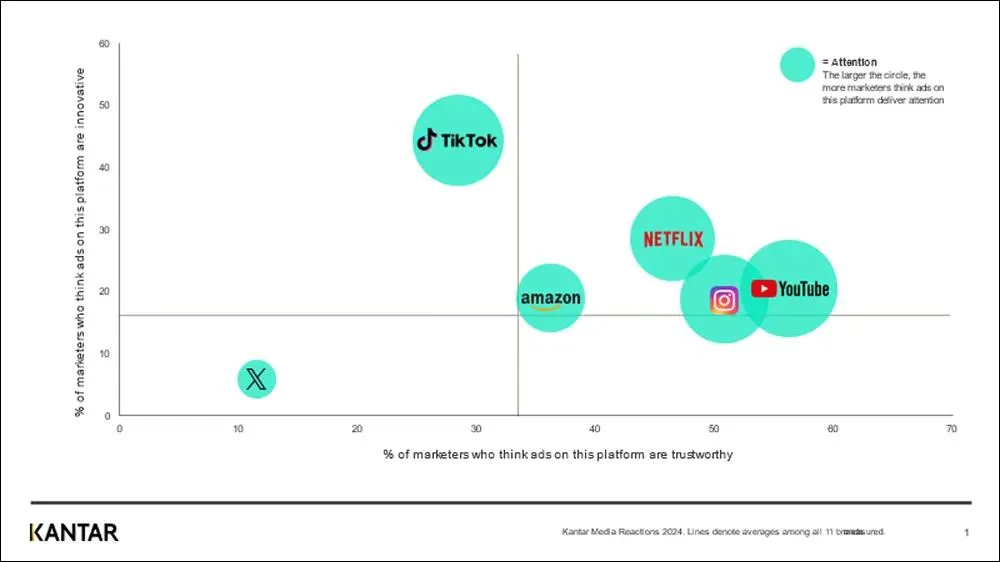
Why it worked: They're building a time-series dataset showing how sentiment evolves. That makes the research essential for anyone writing about consumer confidence or retail trends. Journalists covering inflation, retail performance, brand trust, or consumer confidence don’t just need a quote, they need context.
The results: Reuters, BBC, The Guardian, and business publications cite these surveys continuously.
Interactive Digital PR Campaigns
These campaigns transform passive readers into active participants. When done right, people want to engage and share:
12. Spotify Wrapped
Every December, Spotify gives users personalized visualizations of their listening habits. Top artists, total minutes, quirky insights like "you're in the top 1% of Taylor Swift listeners." Spotify turns individual listening data into colorful, shareable visuals.
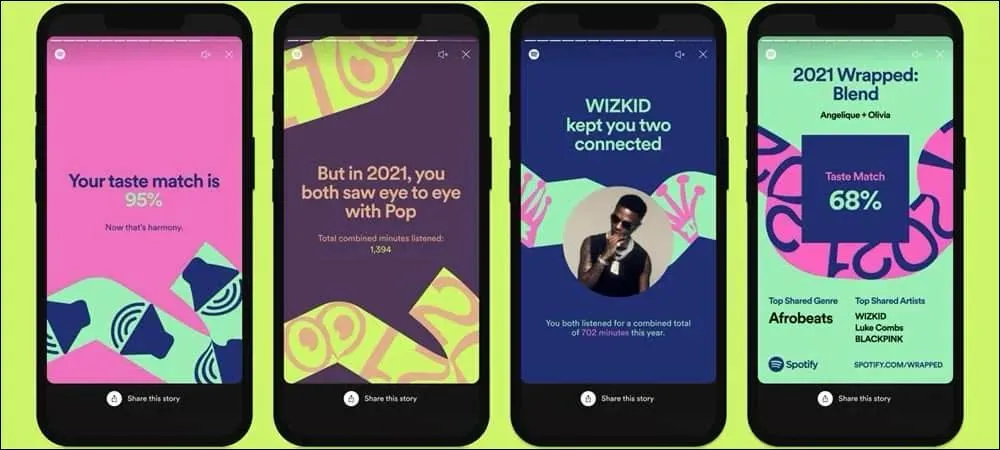
Why it worked: It's identity expression disguised as data. Sharing your Wrapped isn’t about promoting Spotify but rather sharing your personality, taste, and identity through music. Millions of people become free marketing distribution. At the same time, the campaign creates a predictable, annual moment that journalists can rely on.
The results: Spotify Wrapped is covered every year by lifestyle blogs, music outlets, and major news platforms, often as a cultural trend rather than a product feature. Social platforms fill with screenshots and reactions, amplifying the campaign far beyond Spotify’s own channels.
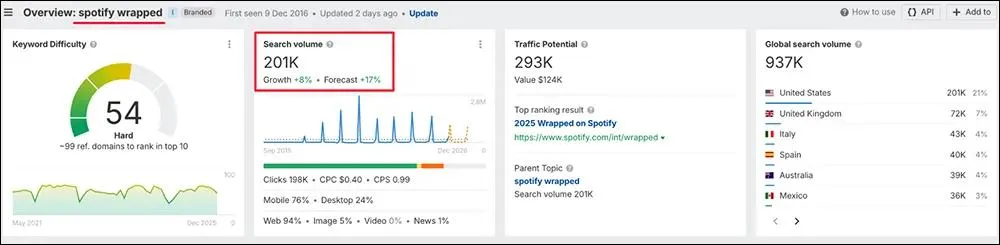
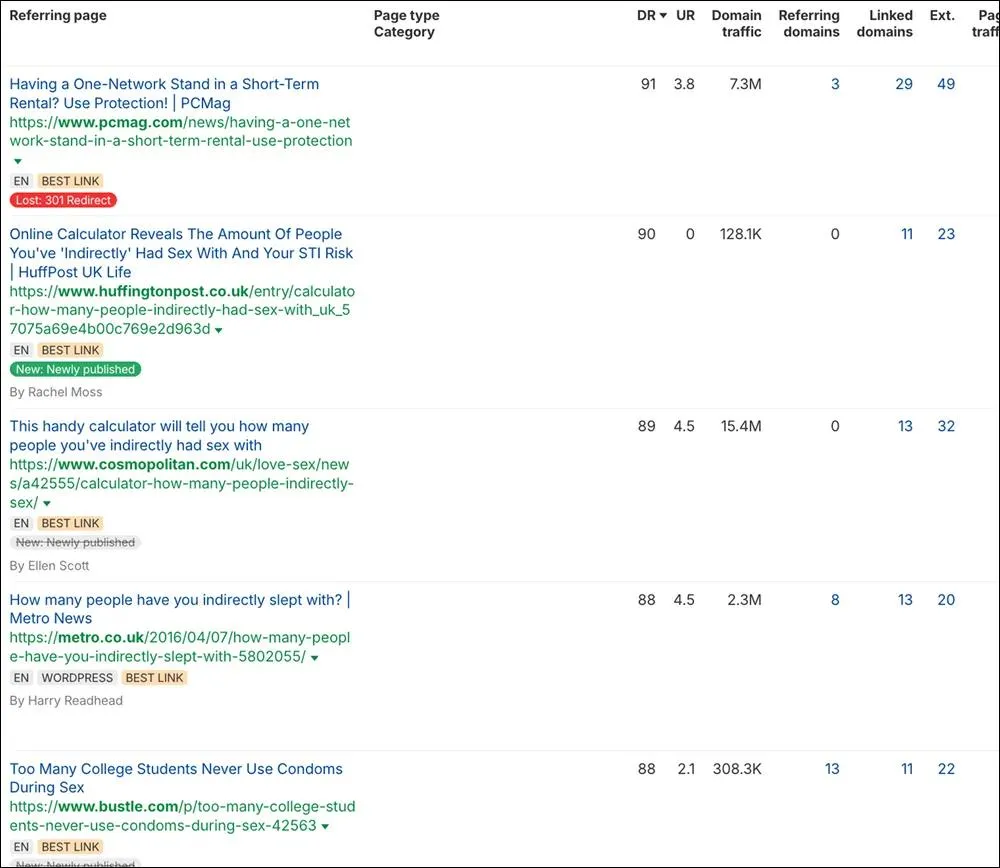
13. Zava Sexual Exposure Calculator
Zava created a provocative calculator estimating indirect sexual exposure based on partner history. Users input their numbers, and the tool estimates their indirect exposure by modeling how each partner could be connected to others through previous relationships.
The output wasn’t framed as a medical diagnosis, but as a theoretical network calculation designed to visualize how quickly sexual contact chains can expand.
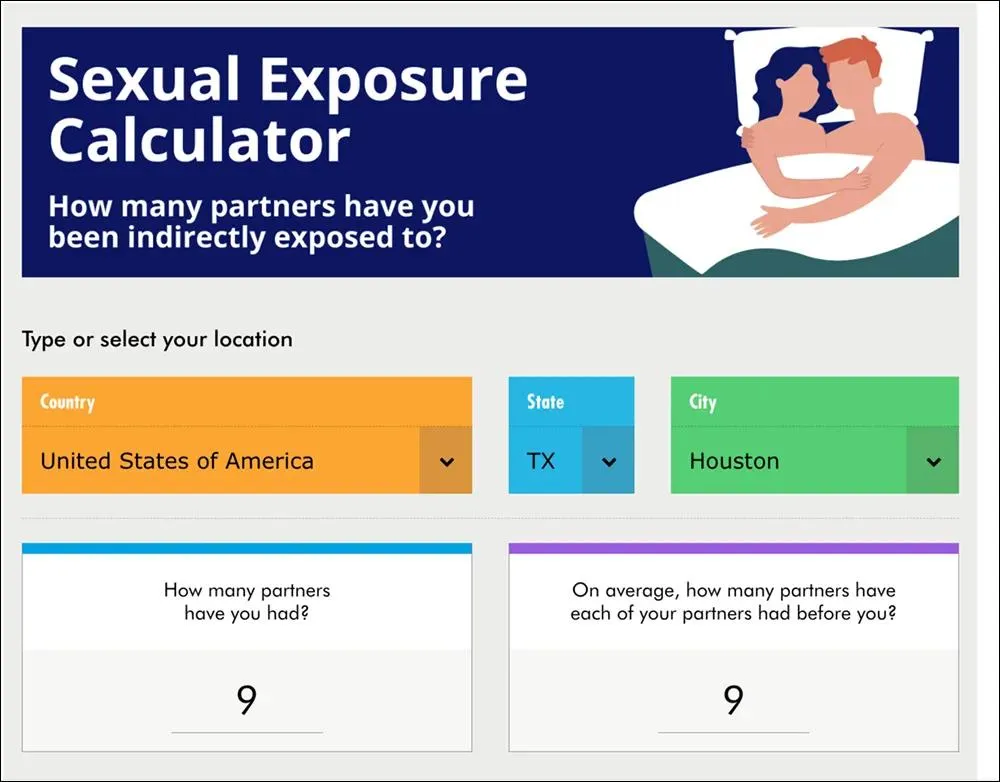
Why it worked: I'll be honest - this one's controversial. But it went viral precisely because it combined a taboo topic with mathematical analysis. Users interacted with the calculator out of curiosity, but the results subtly reinforced a bigger point: sexual health risks are more complex than most people assume.
That realization created a logical bridge to Zava’s offering - access to discreet, online consultations and prescription treatments. Instead of pushing products directly, the campaign educated first, then let users make the connection themselves.
The results: Significant coverage from lifestyle publications, PCMag sexual health sites, and outlets covering viral internet phenomena.
14. Kayak Summer Trip Calculator
Kayak launched a seasonal tool analyzing destination costs, flights, accommodation, and activities to provide personalized vacation budget estimates based on preferences and party size.
Instead of generic “cheap travel tips,” the tool gave users a personalized cost snapshot they could use while planning real trips.
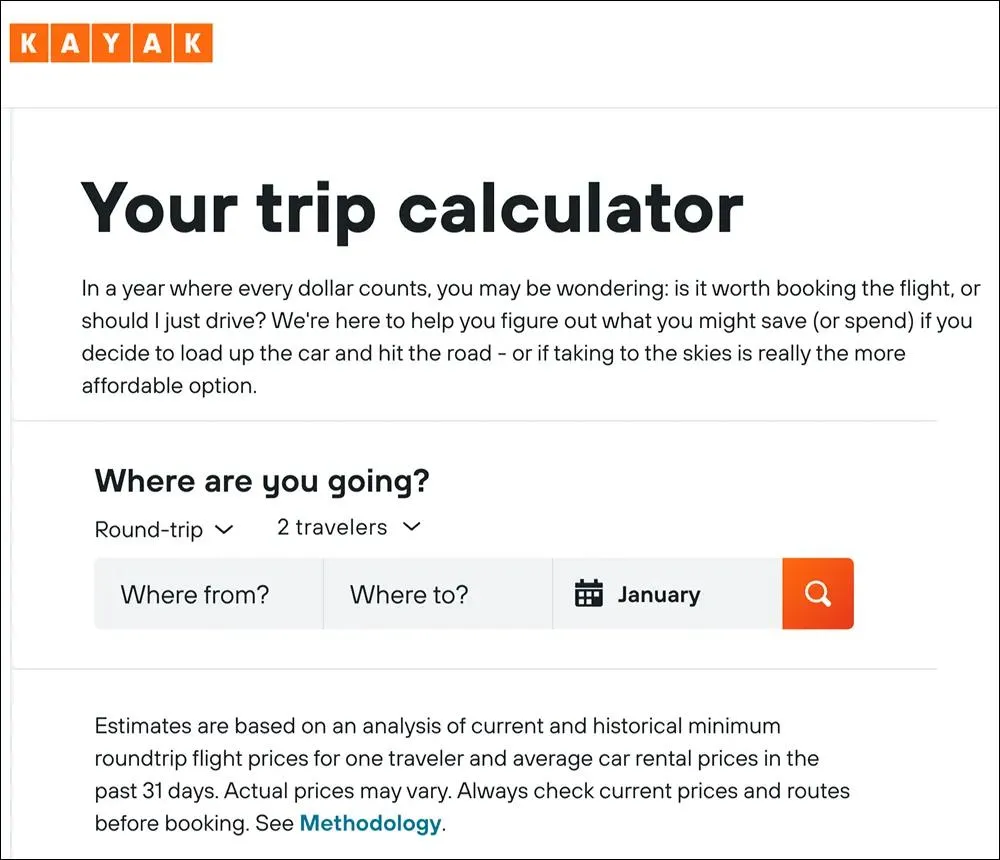
Why it worked: Kayak released the calculator just before peak travel planning season, when journalists, bloggers, and publishers start producing “summer travel planning” and “where to go this summer” content. Those articles always need practical resources to recommend.
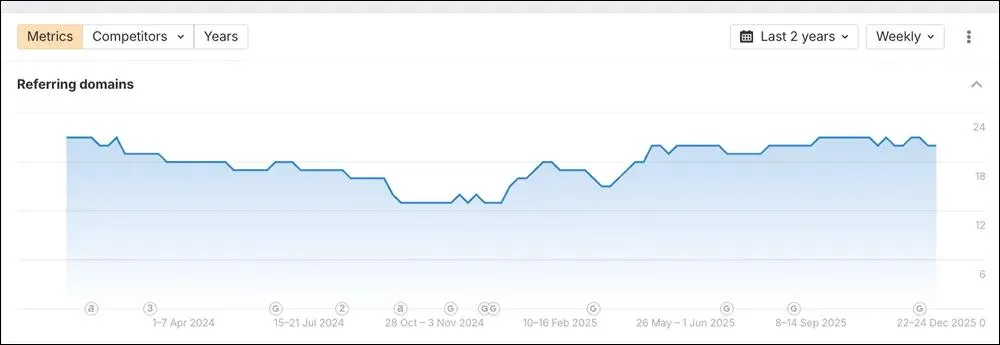
The results: Travel bloggers, lifestyle publications, and personal finance sites linked to it as a planning resource. Links accumulated throughout spring and early summer as travel content ramped up everywhere.
Regional PR Campaigns
Regional campaigns use geographic angles for multi-market coverage.
15. Homebuyer Best Cities for Young Adults
This ranking evaluated cities based on millennial and Gen Z priorities - job opportunities, entertainment, affordability, transit, social scene. Demographic focus made the data immediately relevant to specific audiences. The idea was to answer a very practical question young adults are actively asking: Where can I actually build a life right now?
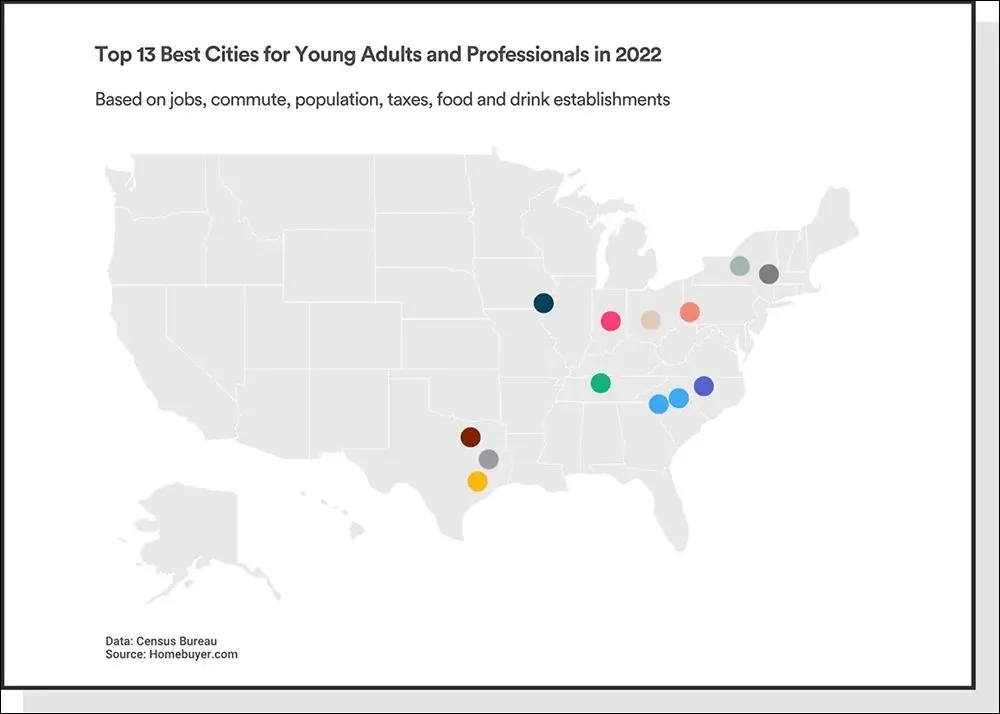
Why it worked: Each city is a pitch. Austin's local paper covers their #3 ranking. Kansas City covers why they missed the top 10. Des Moines covers their surprise appearance at #7. You've manufactured dozens of angles from one project.
The results: Links from CNBC, ABC11, and local news sites.
16. Best US Cities for Landlords
We analyzed rental markets across US cities to identify the best locations for real estate investors. The study evaluated factors like rental yield, property appreciation, vacancy rates, tenant demand, and local regulations.
Instead of general “hot housing markets,” the ranking answered a sharper question: Which cities actually make sense for landlords right now?
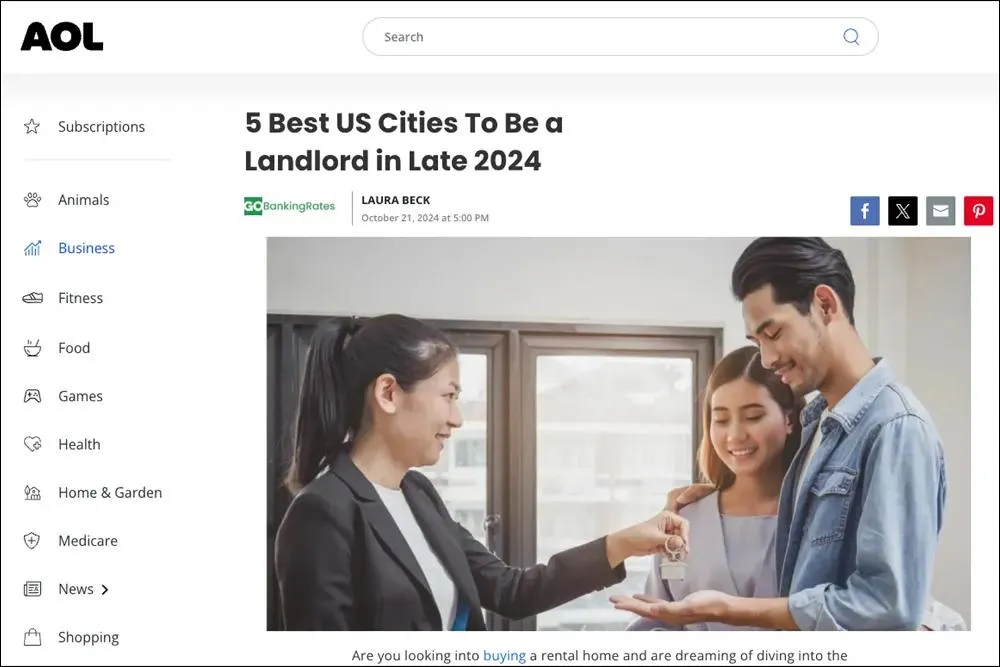
Why it worked: This campaign worked because we built it with media segmentation in mind from the start. Local news outlets could cover how their city ranked and what that meant for local landlords. National real estate and investment publications could zoom out and discuss broader rental market trends.
The results: It gained coverage across major financial media outlets, including Yahoo Finance (appearing in US, Canadian, and Singapore editions), AOL Finance, and GoBankingRates.
17. Most Expensive City Centers for Remote Workers
We ranked city centers by cost per square foot for remote workers, analyzing rent prices, coworking costs, and living expenses in urban cores. The study revealed which city centers price out remote workers versus which offer value.
The result was a clear comparison showing which city centers actively price remote workers out and which still offer reasonable value.
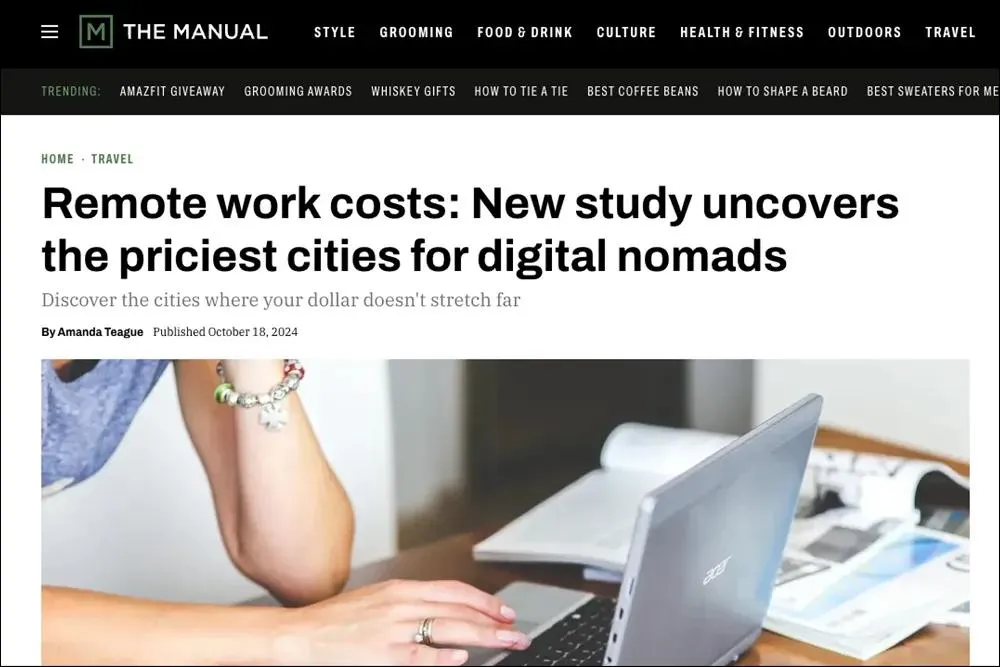
Why it worked: Remote work was reshaping where people could live, but location cost data specific to remote workers was scattered. Most articles talked about “best cities for remote work” without addressing the real trade-off: cost versus location. This campaign worked because it organized scattered data into one definitive, role-specific resource.
The results: Our analysis was featured in 15+ major publications such as Yahoo, Digital Journal, Statesman, The Manual.
18. Cities With the Most Instagrammable Sunsets
We ranked cities worldwide based on sunset Instagram posts, engagement rates, and visual quality scores.
Instead of vague “beautiful sunset” claims, the research translated visual appeal into comparable data, revealing which destinations consistently produce the kind of sunset shots that dominate travel feeds.
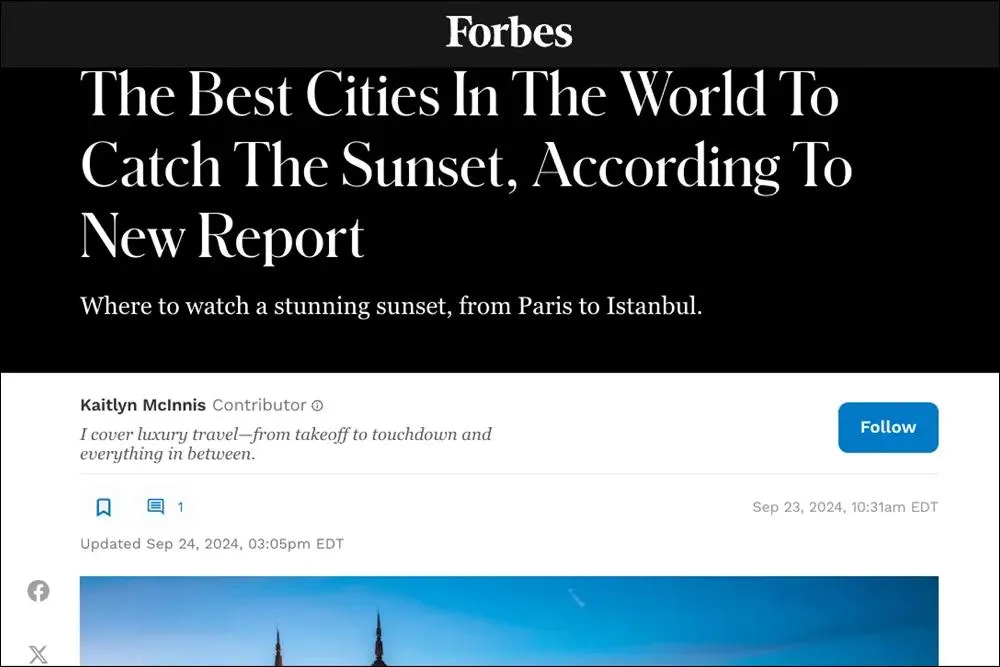
Why it worked: Sunsets already have a built-in audience (travelers, photographers, couples, and content creators chasing golden-hour light). What was missing was direction backed by data.
This campaign worked because it answered a simple, shareable question with numbers: Where do sunsets actually perform best online? That made the rankings easy for journalists to include in travel guides, photography tips, and destination roundups.
The results: Our study secured coverage in 25+ top media publications, including Forbes, Adventure On SI, MSN, and Elle.
User-Generated Content Campaigns
These transform audiences into content creators. When participation reaches critical mass, the phenomenon itself becomes news:
19. Coca-Cola Share a Coke
This Digital PR campaign was launched by Coca-Cola with a deceptively simple idea: replace the iconic Coca-Cola logo on bottles with popular first names. People were encouraged to find their own name, buy bottles for friends, or share a Coke with someone special.
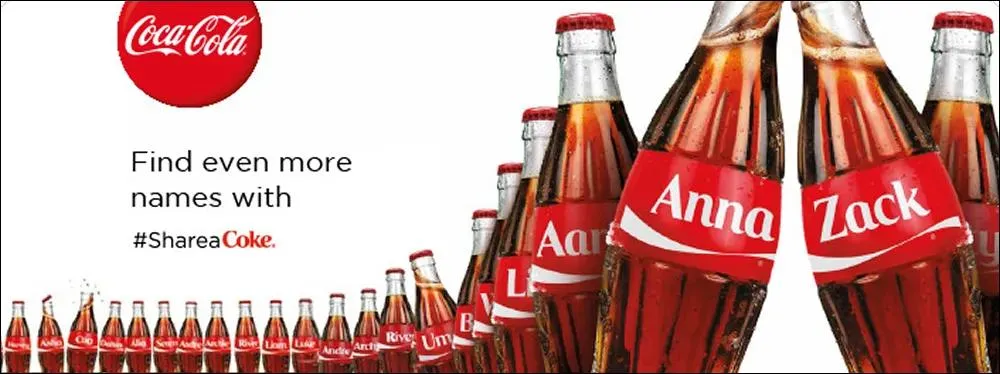
Why it worked: Although the activation was offline, people took it online at a massive scale. Users shared photos of named bottles on social platforms, turning personal moments into digital content. Media outlets covered the online phenomenon where Digital PR took over.
The results: The campaign generated widespread earned coverage from digital marketing blogs, social media publications, and culture outlets, along with long-term backlinks from analyses and case studies.
20. Starbucks #RedCupContest
Starbucks ran a UGC campaign asking customers to submit creative featuring their red cups using the #RedCupContest hashtag, turning a long-standing seasonal tradition into a user-generated content campaign.
Instead of producing brand-led visuals, Starbucks handed creative control to its audience and let customers define what the holiday moment looked like.
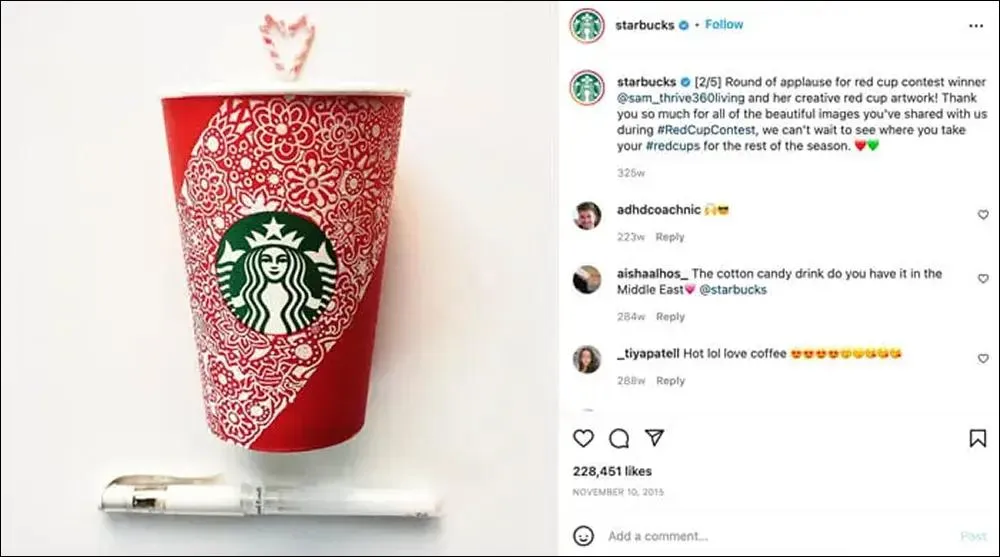
Why it worked: The campaign worked because it built on something people already loved. Starbucks’ red cups were a familiar seasonal signal, so the contest didn’t need explanation; it just needed a prompt.
From a Digital PR perspective, the campaign encouraged mass participation first, then let media coverage follow organically as journalists reported on the volume, creativity, and cultural impact of the submissions.
The results: Social media reporters, lifestyle websites, and marketing publications linked while covering holiday marketing and UGC success stories.
Turn These Examples Into Your Next Big PR Win
You've seen 20 campaigns that worked. The frameworks are proven. The examples are real.
Now here's what I want you to do: Pick one format that matches your resources and industry. Don't try to launch five campaigns simultaneously. Start with one really good one. Focus less on “how viral it looked” and more on the mechanics that made these digital PR campaigns work.
Got interesting customer data? Run a survey campaign. Location-based business? Geographic rankings create multiple angles. Move fast with flexible approvals? Newsjacking might be your edge.
The campaigns earning thousands of backlinks share one trait: they provide genuine value to the audience, not just the brand. Journalists link because your content makes their article better. Users share because your tool solves their problem or your finding surprises them.
Look, I know building a campaign from scratch feels overwhelming. I've been there. Staring at a blank spreadsheet trying to figure out if your idea is actually newsworthy or just wishful thinking.
That's exactly why we built our digital PR service. We handle everything - research, content creation, design, outreach - turning these frameworks into campaigns that earn real coverage for your brand. Learn how our Digital PR services can help your brand grow.
Submit the form - Get Free Proposal
%202.png)
24 hours
Submit the form - Get Free Proposal
24 hours