
The Most Dangerous Email You Shouldn't Open




Campaign Idea
Our team noticed a pattern in media coverage around cybersecurity threats, which often offered only vague warnings like “be careful what you click.” Determined to offer more concrete guidance, we created a data-driven campaign exposing the specific words scammers use to deceive unsuspecting victims. We paired expert commentary with detailed data insights, capturing widespread media attention and interest.
We identified a surge in media reports about cybersecurity threats, prompting us to investigate the most dangerous email words that often signal scams or phishing attempts.
Rather than relying on generic tips, we came up with a data-driven approach to pinpoint high-risk words and phrases.
Our team integrated reputable expert commentary, which captured wide media attention and highlighted the real-world value of our findings.
Campaign Research
We conducted in-depth research to identify the most malicious words in scam and phishing emails.
We analyzed email datasets using advanced machine learning models to identify the most dangerous and frequently used words in scam emails.
Our team developed a weighted scoring system that evaluated each word's frequency of appearance, click-through rates (CTR), and infection/damage rates.
This data-driven approach exposed patterns and trends, helping us create a list of red flag words that internet users can use to recognize and avoid threats.
Results
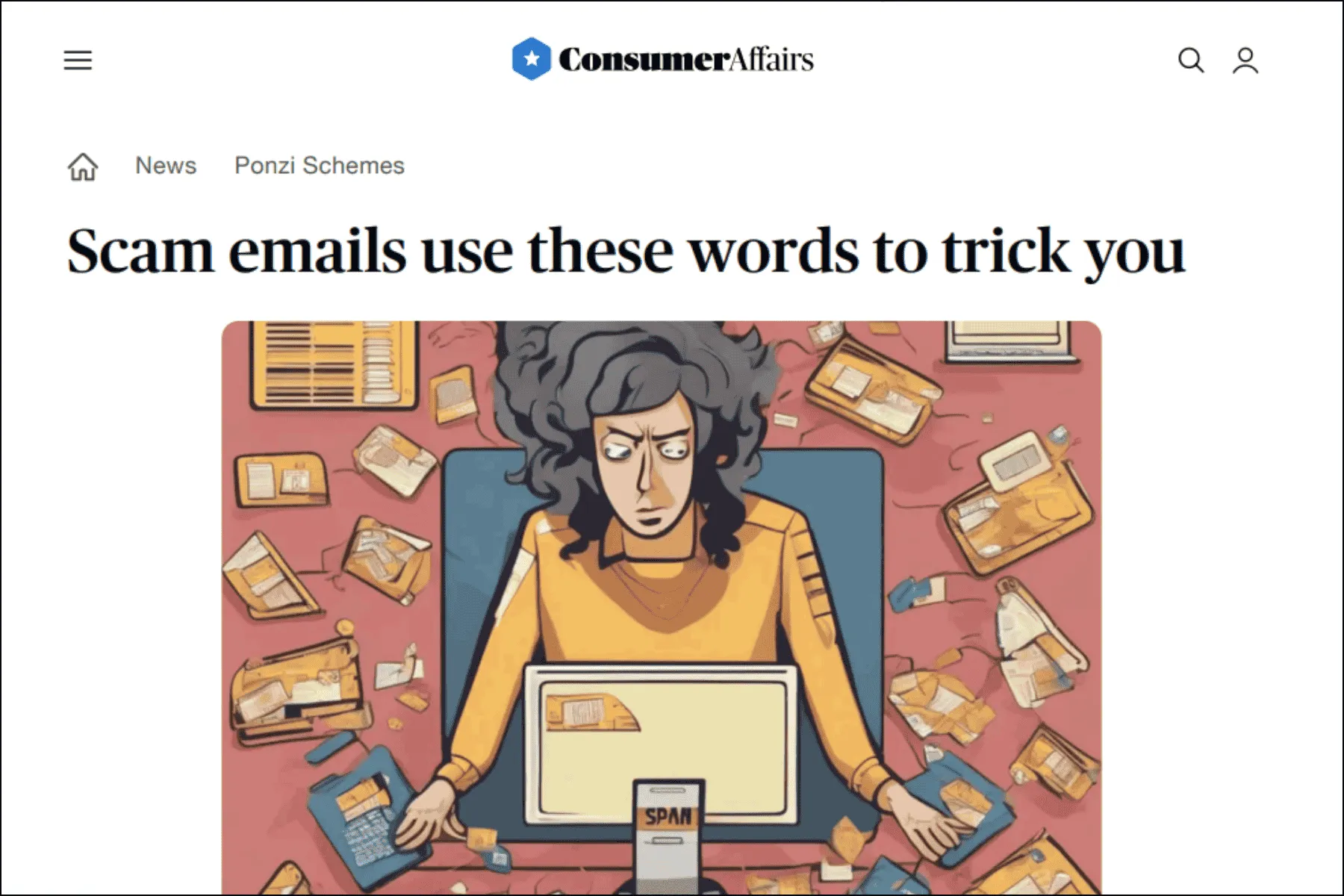
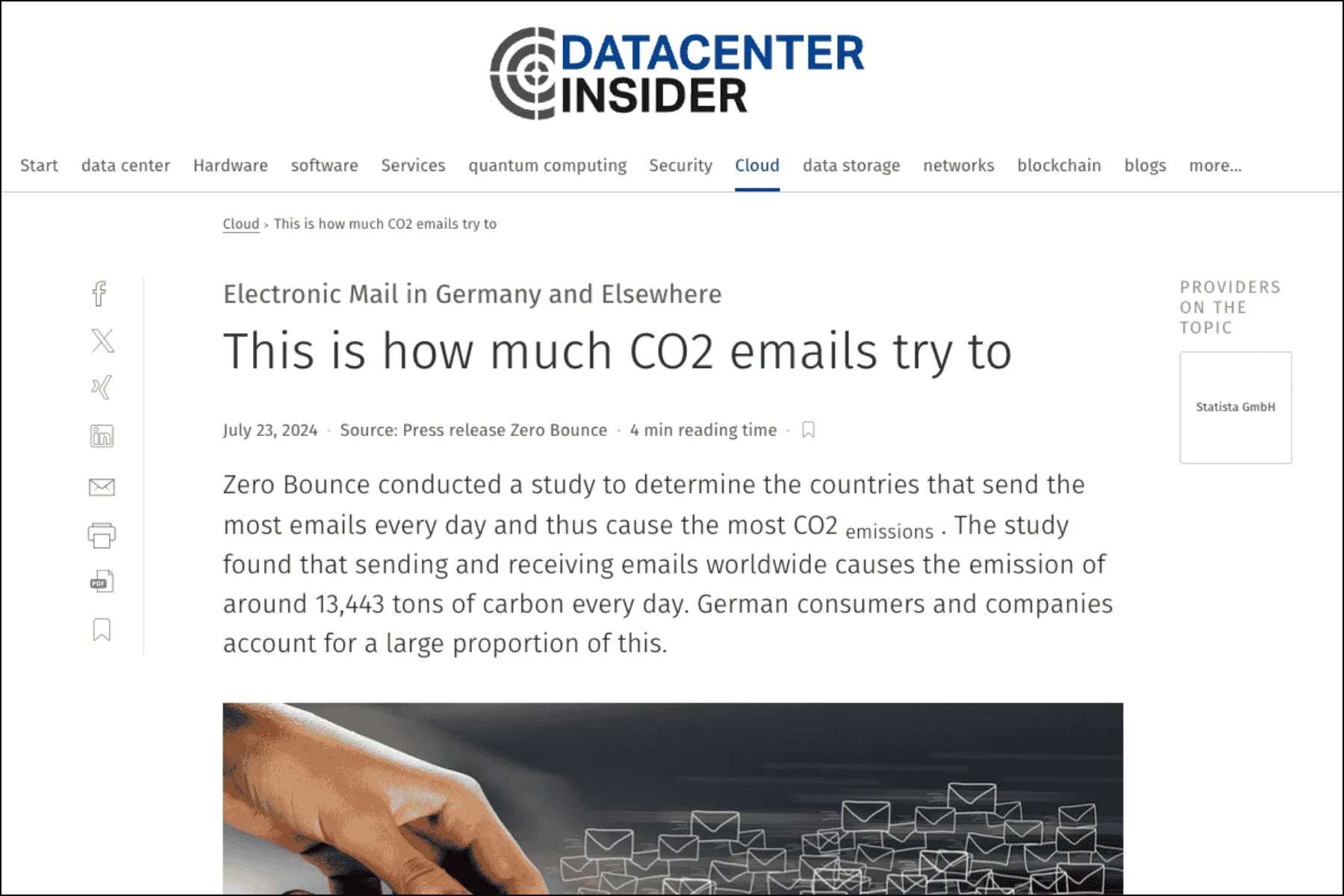
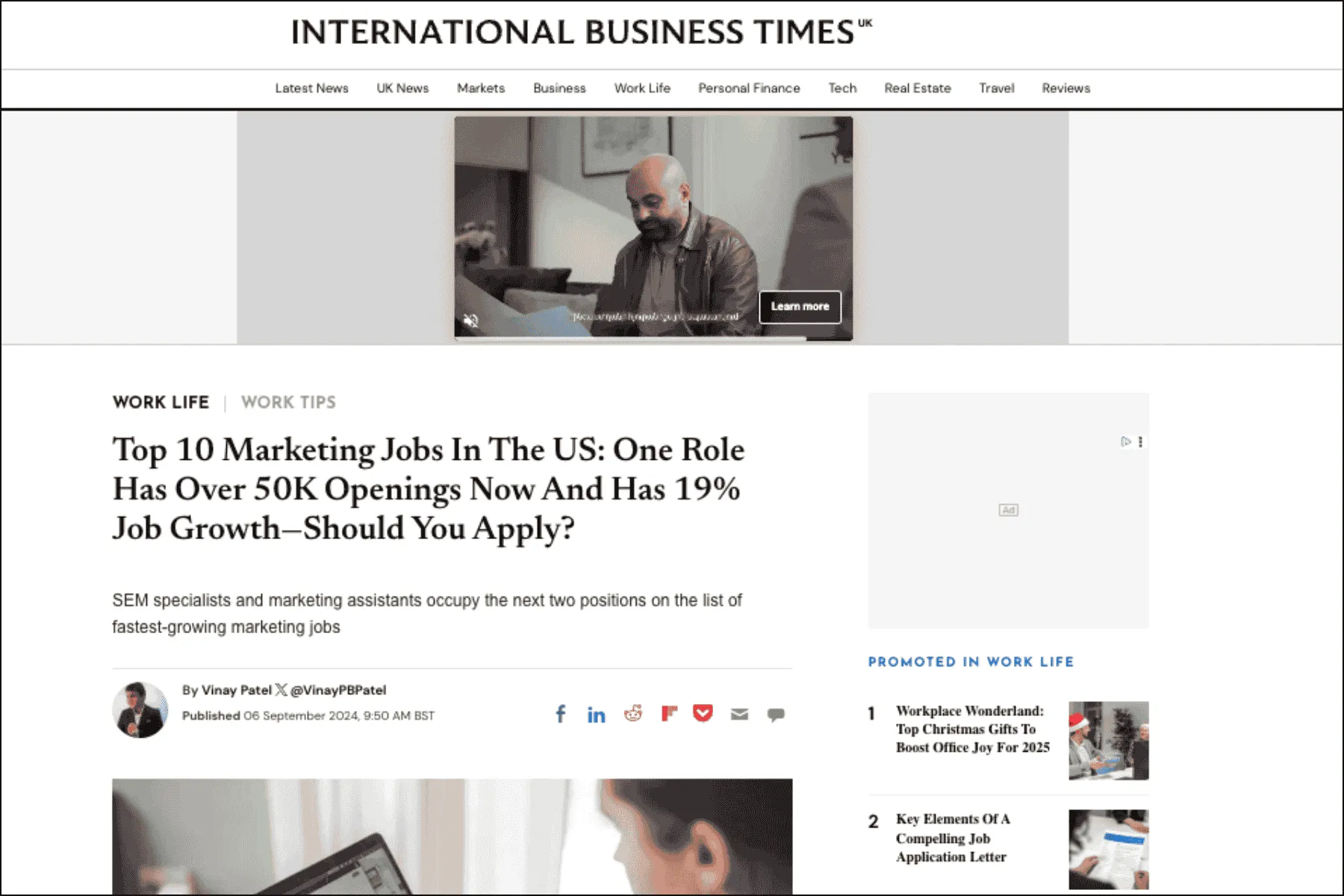
Our research generated significant media interest, securing eight high-quality media placements, including NewsBreak, Consumer Affairs, and the Entrepreneur.
Earn Impossible Backlinks Through Digital PR


Countries That Send Out the Most Emails

Countries That Are AI Superpowers
Fastest Growing Marketing Jobs